

It all begins with an idea. Maybe you want to launch a business. Maybe you want to turn a hobby into something more. Or maybe you have a creative project to share with the world. Whatever it is, the way you tell your story online can make all the difference.
It all begins with an idea. Maybe you want to launch a business. Maybe you want to turn a hobby into something more. Or maybe you have a creative project to share with the world. Whatever it is, the way you tell your story online can make all the difference. Don’t worry about sounding professional. Sound like you. There are over 1.5 billion websites out there, but your story is what’s going to separate this one from the rest. If you read the words back and don’t hear your own voice in your head, that’s a good sign you still have more work to do.
China Marketing Insights for International Brands

How International Brands Can Test China Demand Before Setting Up a Local Entity
International brands do not need to treat a mainland entity as the first China experiment. Use this staged plan to test demand, validate a customer route and identify the point at which a local entity solves a proven operating constraint.

China Social Media Management for Hotels: What Good Operations Look Like
What should a China social media team actually do each week? A practical guide to RedNote, WeChat, creators, guest questions, approvals and reporting for international hotels.
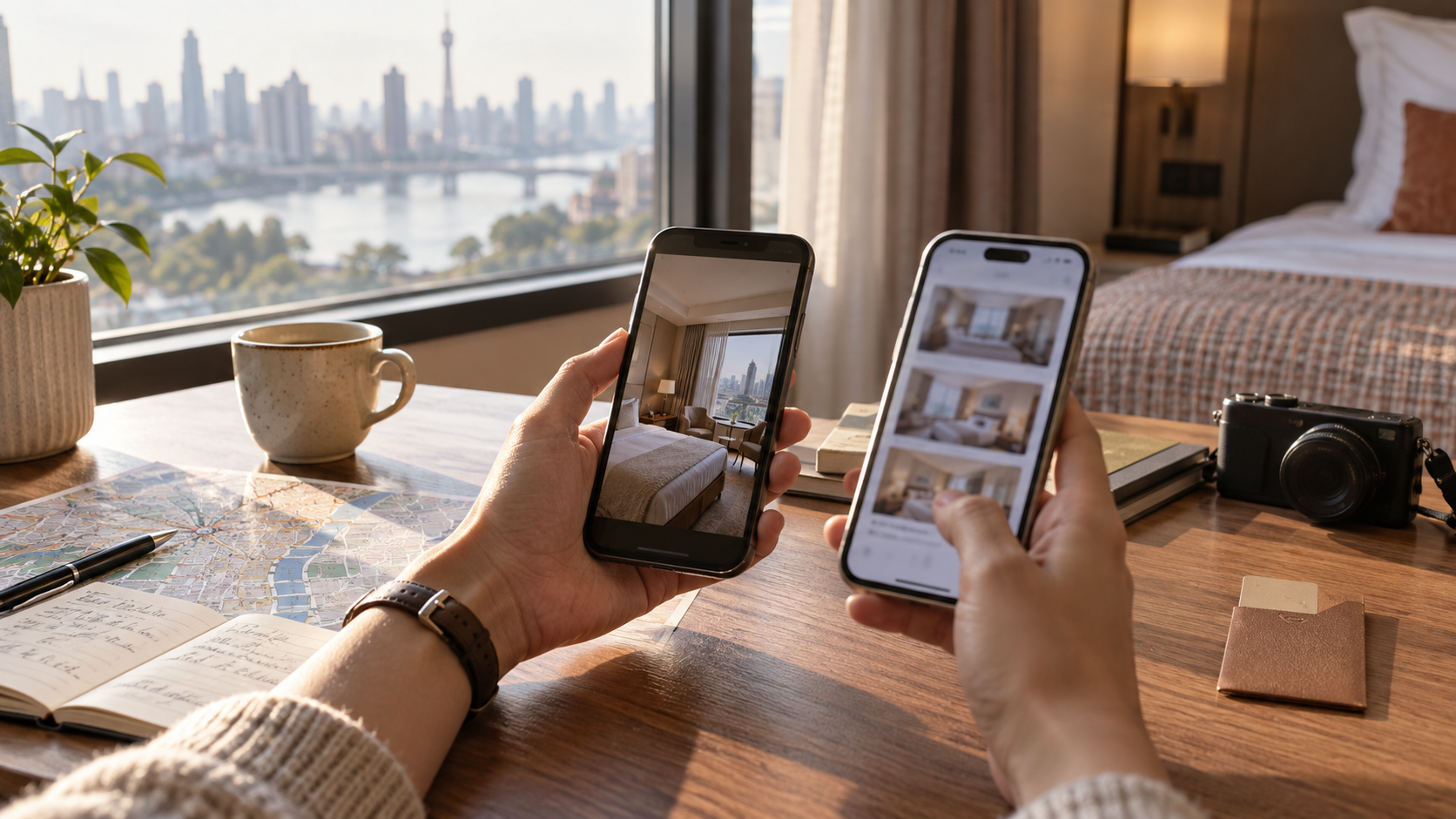
Ctrip and RedNote for International Hotels: Make the Story Match the Stay
The RedNote post, Ctrip room page and actual stay should tell the same story. A practical guide for international hotel teams to connect Chinese content, real guest voices, booking details and review responses.

Chinese Marketing for Michelin Restaurants: From RedNote to the Table
A practical guide for overseas Michelin-starred and Guide-listed restaurants that want Chinese diners to find them, understand the experience, reserve confidently and leave with a story worth sharing.
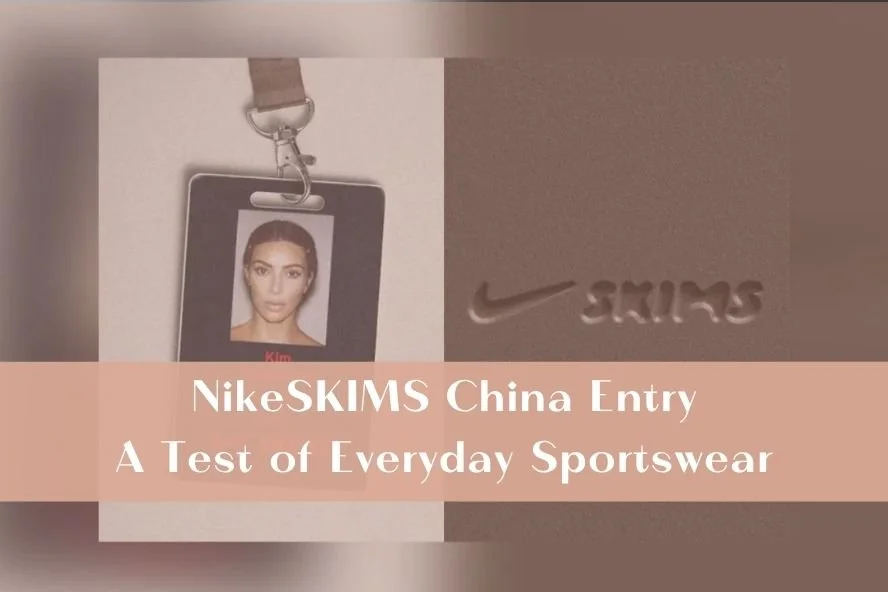
NikeSKIMS China Entry: A Test of Everyday Sportswear
NikeSKIMS is entering China through a limited Shanghai slow-pop-up at a moment when the women's sportswear market is crowded, local competition is stronger and several international brands are under pressure. The partnership combines Nike's sports technology with SKIMS' fit and fashion expertise, but it must still prove authenticity, price value and the everyday transition from training to commuting. For international brands, the case shows why controlled market testing and local consumer validation matter.

How to Choose a China Social Media Agency for an International Hotel
A practical guide for international hotel teams evaluating China marketing partners—from Xiaohongshu search and Chinese content to account ownership, creator work, booking journeys and measurement.

The Chinese Guest Journey for International Hotels: From RedNote to the Stay
Chinese travellers do not experience your hotel as a set of channels. They remember whether the room, booking information and arrival matched what they saw before the trip. Here is a practical way to connect those moments.
Why E-commerce Is the New First Store in China
More than 100 international brands, including Alo, VEJA, Eight Sleep, Mardi Mercredi, LOW CLASSIC and Helen Kaminski, have entered China through an official Tmall store before opening a broad physical network. The e-commerce-first route gives brands official identity, national reach, consumer data and a lower-risk way to test demand. For international brands, the new China entry sequence is often online first, then offline based on evidence.

Light Outdoor in China: Lessons for International Brands
China's outdoor market is moving beyond extreme performance and into lighter, more everyday use cases. Nike ACG, Adidas Shan Chuan Li, HELLY HANSEN, Li-Ning and other brands show how outdoor consumption is becoming part of commuting, weekend recovery, social content and lifestyle identity. For international brands, the opportunity is not simply to sell technical gear, but to understand why Chinese consumers are using outdoor products as emotional relief, self-expression and daily mobility tools.

China Channel Growth Without a Blind Spot: WeCom for Technology Vendors and Partners
A local partner can open valuable doors in China, but international technology vendors still need clarity about lead ownership, customer continuity and market feedback. WeCom can support a more accountable partner journey.

Why U.S. Fast Food Brands Are Entering China
Five Guys, Popeyes, Wendy's, Church's Texas Chicken and Cinnabon are part of a new wave of U.S. food brands entering or expanding in China, while older Western restaurant brands are increasingly shifting local ownership and decision-making to Chinese operators. The lesson for international brands is that China still offers growth, but the old copy-and-paste model no longer works. Localization, local partners, product adaptation and Chinese marketing systems now decide long-term success.
China Marketing Roadmap for International Brands
International brands entering China often start by opening Rednote, WeChat or KOL accounts, but scattered platform activity rarely creates long-term growth. A stronger China marketing roadmap connects brand positioning, market research, Rednote setup, Blue V verification, content strategy, KOL campaigns, WeChat communication, AI search visibility and conversion tracking. This guide explains how these pieces work together to help Chinese consumers discover, understand and trust an international brand.