

Why E-commerce Is the New First Store in China
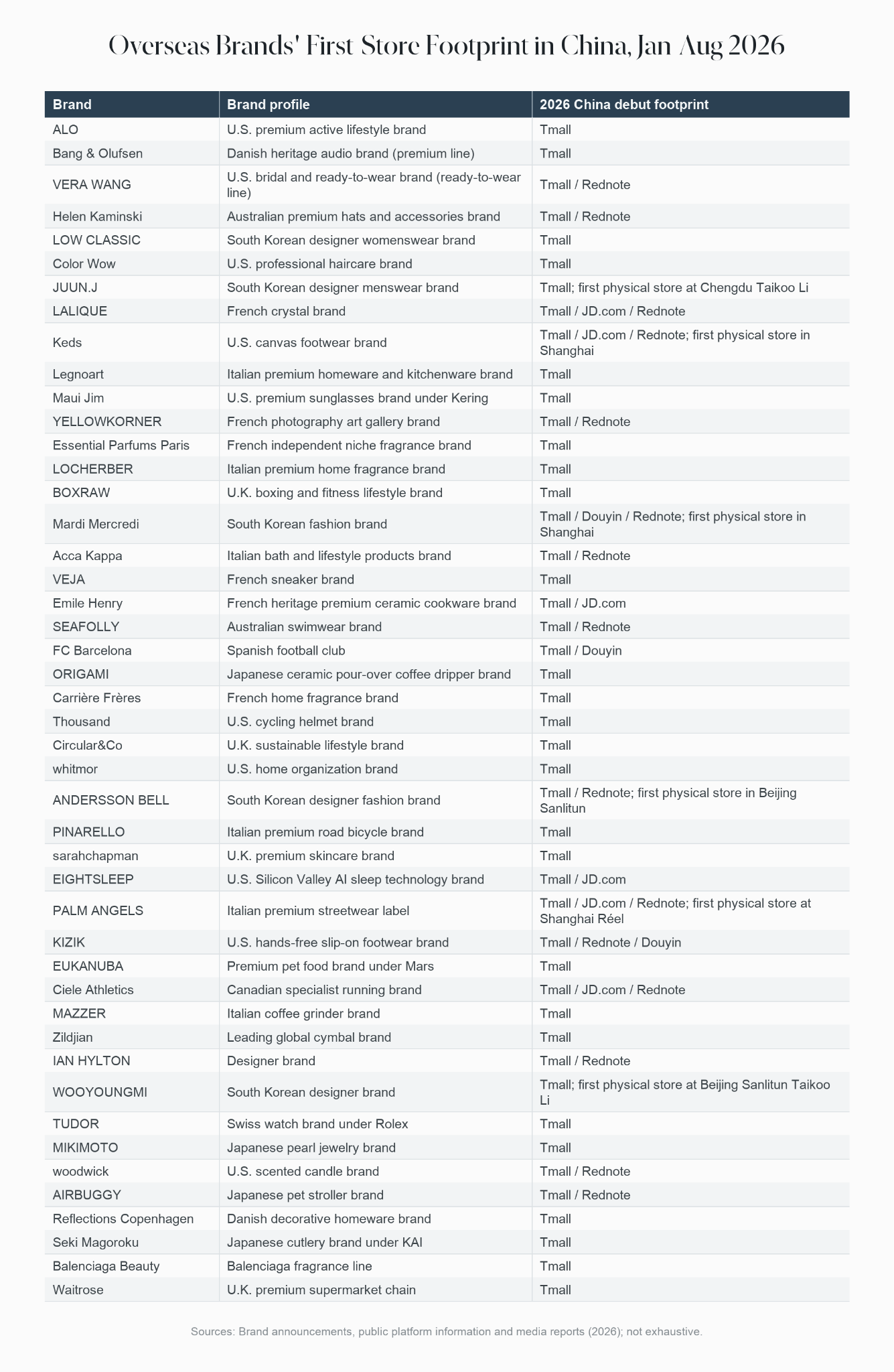
International brands entering China are using a new first-store path. Instead of starting with a distributor, a shopping mall location and a large physical rollout, many now open an official Tmall store first. Alo opened its China e-commerce store in August and generated more than 10 million RMB in sales within one minute of launch, according to brand-reported figures. Its physical stores were still being prepared.
Alo is part of a wider pattern. Since the beginning of 2026, more than 100 international brands across sports, outdoor, designer fashion, luxury, sleep technology, pet products, coffee equipment and musical instruments have used an official Tmall store as an early China entry point.
For international brands, this is not simply an e-commerce trend. It represents a change in the sequence of China market entry.
Why Online First Makes Sense
Many brands already have Chinese consumers who know them through social media, celebrity styling, overseas shopping, daigou or informal circulation. When the brand officially enters China, the first customer question is often not whether the product is interesting. It is where you can buy an authentic product safely.
An official Tmall store answers that question quickly. It confirms the brand's official identity, creates a controlled price and product environment and gives consumers a reliable service channel. It also allows the brand to reach customers across different cities before deciding where a physical store will have the strongest potential.
This route can be especially useful for brands with strong online awareness but uncertain store economics. A brand can test product mix, pricing, demand by city, repeat purchase, customer questions and service requirements without committing to a large lease network.

Different Brands Use the Route Differently
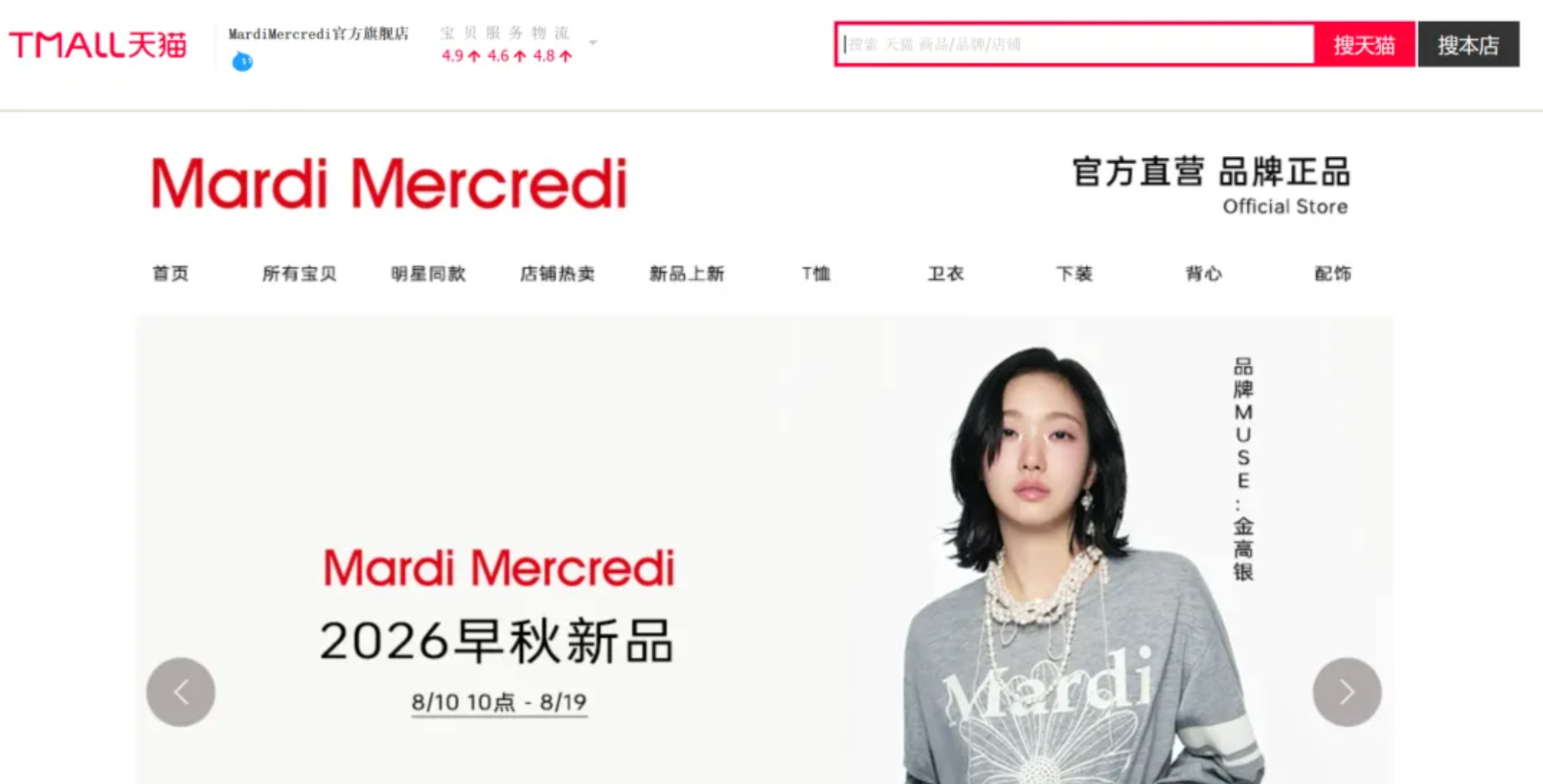
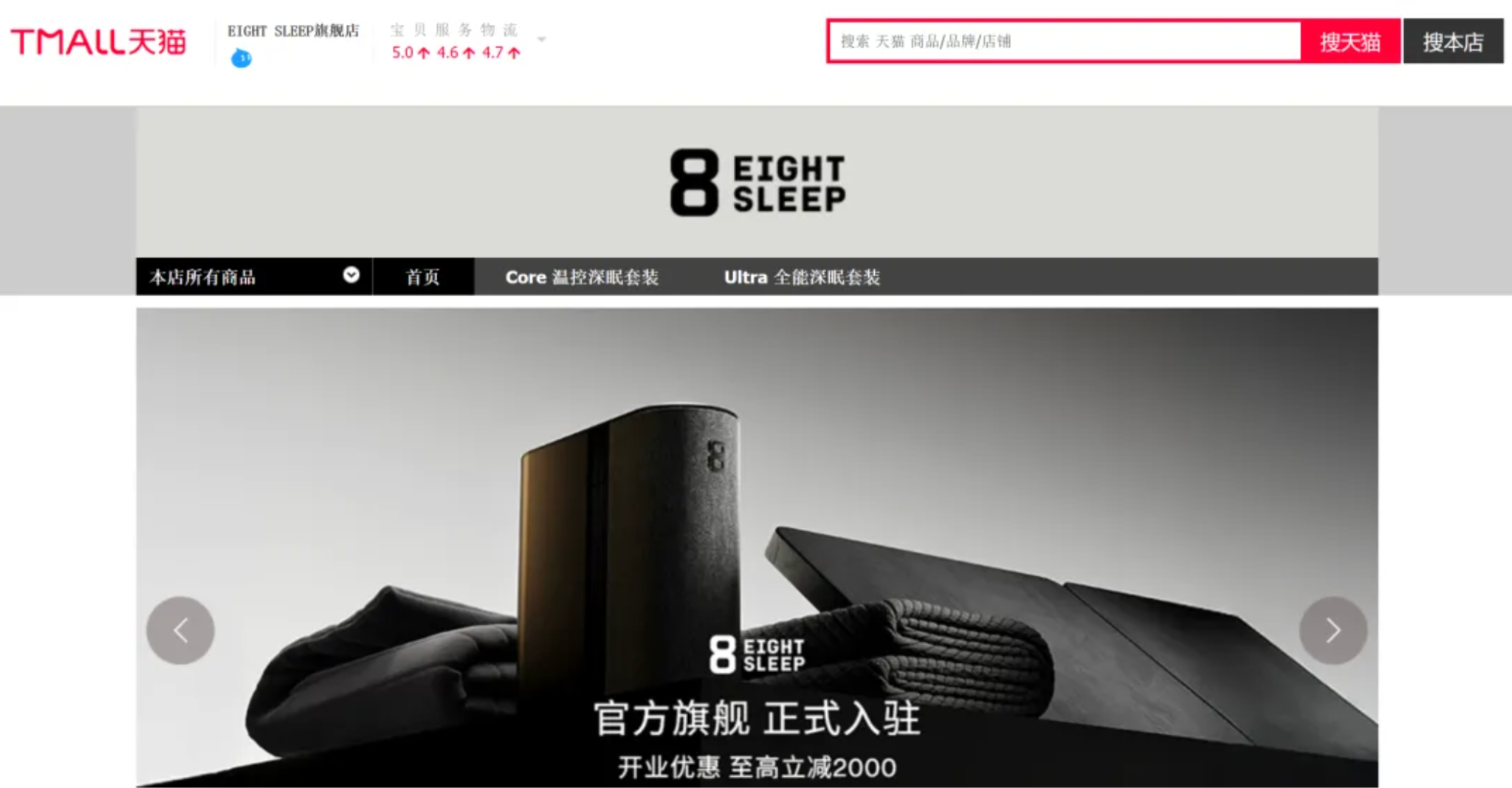
VEJA entered China with Tmall as both its first store and its only official e-commerce channel at that stage. Eight Sleep chose a direct model without distributors or physical stores, using Tmall as its first China point of contact. Mardi Mercredi used Tmall as part of a return strategy after taking back its China business and closing earlier agent-operated stores.
Other examples include LOW CLASSIC, Helen Kaminski, KIZIK, Mazzer, Zildjian and ORIGAMI. Their categories are different, but the operating logic is similar: establish an official online presence, observe demand and then decide how much offline investment makes sense.
The online store is therefore both a sales channel and a market research tool. It can reveal which products attract attention, which sizes or colors are difficult, which cities generate demand, what consumers ask before purchasing and how much local service is required.
Online Data Should Shape Offline Decisions
A physical store can create experience and brand prestige, but it also brings fixed costs and operational complexity. E-commerce data helps a brand decide where the offline store should be, what it should sell and what kind of experience it should offer.
If the data shows strong demand from a specific city, the brand can explore a store or pop-up there. If customers are buying a narrow product range, the physical space can focus on that category rather than trying to carry the global assortment. If consumers repeatedly ask about fit, delivery, installation or after-sales service, the offline experience can be designed around those questions.
This is where Chinese marketing and e-commerce operations need to work together. Rednote can create discovery and peer trust. Tmall can provide official conversion and transaction data. WeChat and WeCom can support customer relationships. Offline can deepen experience once the brand understands where the demand is.
What International Brands Should Prepare
An e-commerce-first entry does not mean a brand can simply upload a global product catalog. The Tmall store needs Chinese product naming, localized detail pages, clear delivery and return information, local customer service, compliant claims, category-specific qualifications where required and content that answers Chinese consumers' questions.
Brands should also plan how online data will be used. The team needs a clear process for reviewing customer feedback, product questions, search behavior, conversion by city and repeat purchase. Without that learning loop, the online store becomes a passive shelf instead of a market entry system.
The new sequence is therefore not online instead of offline. It is online evidence before offline scale. For international brands entering China, that can reduce risk while making the eventual store strategy more precise.
Stop guessing what works in China. Partner with Lotus Social Agency to turn local social buzz into measurable revenue.
