

NikeSKIMS China Entry: A Test of Everyday Sportswear
NikeSKIMS officially entered China in September 2026 with a slow-pop-up space at Shanghai's HKRI Taikoo Hui, scheduled to operate through February 2027. The location and limited-time format make it the first public test of the Nike and SKIMS partnership in mainland China.
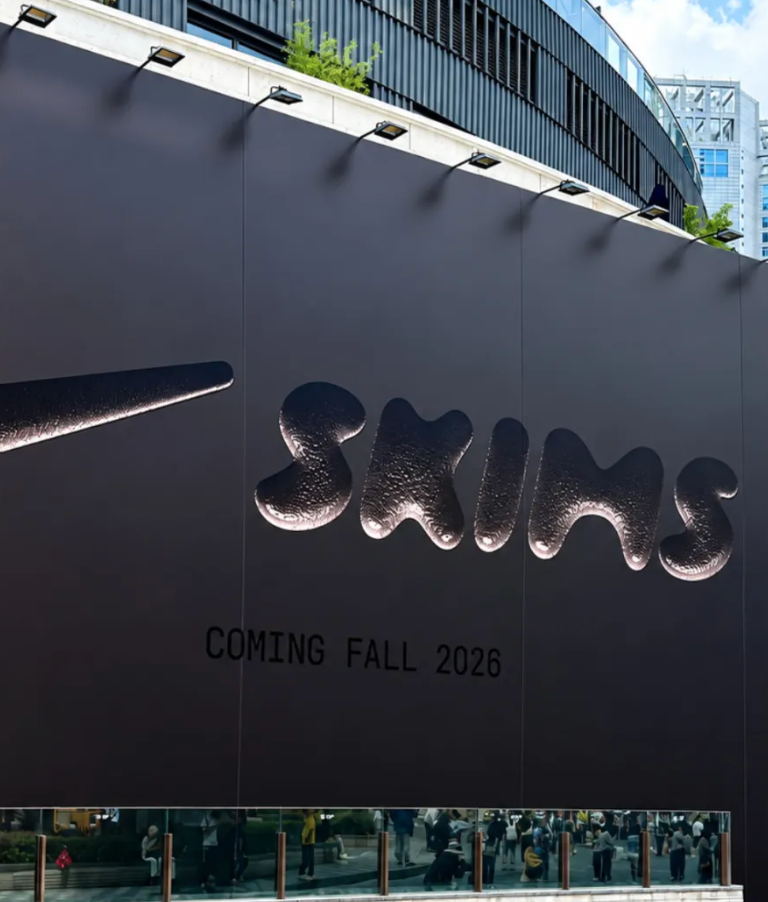
The timing is significant. Lululemon has reported weaker performance in China, Alo has generated strong awareness but also received criticism around price and product quality, and SKIMS-inspired products have already circulated through unofficial channels. NikeSKIMS is therefore not entering an empty market. It is entering a category where consumers already have strong expectations and comparisons.
Why Nike Chose SKIMS
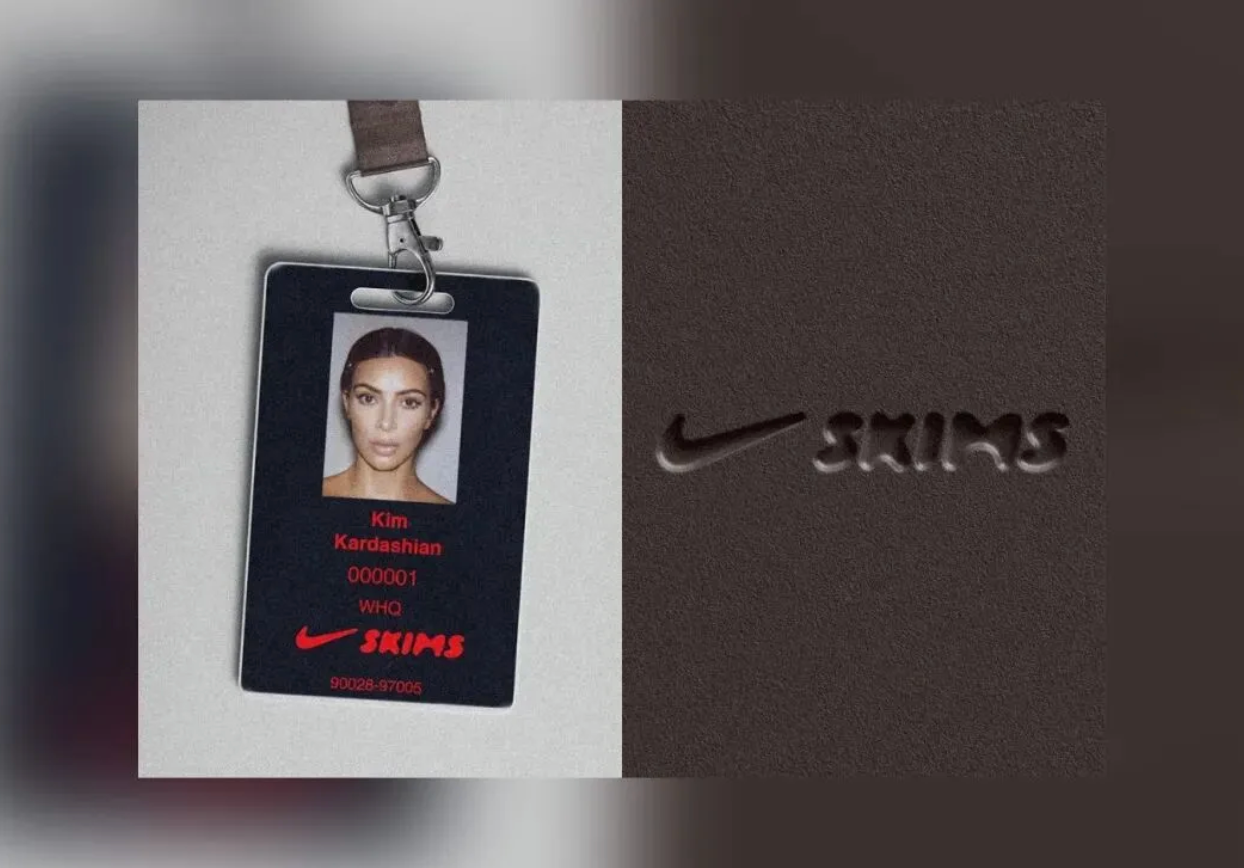
Nike brings sports technology, performance knowledge and global distribution. SKIMS brings a different kind of expertise: fit, body awareness, fashion styling and a strong understanding of how women think about comfort and appearance. The partnership is designed around the idea that performance and style do not need to be separated.
That logic responds to a real gap in sportswear. Nike has traditionally been seen as strong in technology and male sports culture, but less naturally connected to women's everyday clothing psychology. SKIMS was founded around products designed for different body shapes and has built strong recognition around inclusive fit.
Chinese consumers were already familiar with SKIMS through celebrity styling and Rednote discussion. That early awareness reduces the cost of introducing the brand, but it also creates a challenge: the official product must prove why it is worth paying for rather than being confused with an unofficial imitation.
A Controlled Test Instead of a Full Rollout
Nike did not immediately commit to a large mainland store network. It chose a limited-time slow-pop-up with a Shanghai-only tailoring service. This format gives the brand a lower-cost way to test product response, traffic, fit, service and repurchase before deciding whether to open permanent stores.
For international brands, controlled entry can be a useful strategy when the category is competitive or the product positioning is still uncertain. A limited store, official e-commerce channel, creator content and targeted community activity can produce more useful learning than a large rollout that creates awareness but hides the reasons behind conversion or failure.
The test also needs clear success metrics. Launch traffic and media attention are not enough. The most useful signals will include product return rates, fit feedback, repeat purchase, customer questions, price acceptance and whether consumers actually use the product across training, commuting and social occasions.

Three Questions the Brand Must Answer
The first is authenticity. When unofficial versions have already shaped awareness, the official brand must show what makes the authentic product different: materials, fit, construction, service, packaging, purchase security and after-sales support. This is a challenge many international brands face in China.
The second is price tolerance. The market is becoming less patient with international price gaps, especially when consumers compare quality and value across local and global options. A premium price needs visible proof through product performance, fit, durability, service and brand meaning.
The third is scenario fit. NikeSKIMS is built around the idea that one product can move from training to the street. That can be valuable for consumers who want a practical transition wardrobe, but it must prove that the product performs well enough for exercise and looks appropriate enough for daily life. The answer will come from repeat behavior, not only from a pop-up launch.

What International Sportswear Brands Can Learn
The next growth opportunity in China's sportswear market may not come from another technical feature. It may come from understanding the full day of a consumer's life: commute, workout, social plans, travel and rest. International brands need to decide whether they are solving a specific performance problem or offering a reliable bridge between several everyday moments.
NikeSKIMS also shows the value of using partnerships to fill a capability gap, while keeping the market entry measured. For international brands entering China, the practical model is to combine a credible global asset with local testing, Rednote listening, transparent product proof and a clear plan for what happens after the first launch.
Planning your next seasonal campaign in China? DM us or drop a comment below—we’d love to brainstorm ideas with you!
