

China Marketing Roadmap for International Brands
More international brands are looking seriously at the Chinese market. Many begin with familiar first steps: open a Rednote account, register an official WeChat account, work with a few KOLs, and translate existing English website materials into Chinese. These actions can be useful, but without a larger plan they often become disconnected projects. The result is predictable: accounts are open, content is posted, but the brand does not build real recognition, qualified enquiries or long-term growth.

China marketing requires a complete path. Chinese consumers need to discover the brand, understand what it does, verify whether it is trustworthy, communicate through compliant channels and eventually form a customer relationship. Rednote, WeChat, KOLs, paid ads, SEO, GEO and AI search should not sit in separate boxes. They should work together around one market-entry logic.
Start With Local Positioning
Before entering China, the first question is not which platform to open. It is why Chinese consumers should choose the brand. A brand's advantage in the UK, Europe, North America or another market may not automatically translate into China. International brands need to clarify the problem they solve, who their Chinese target customer is, what makes them different from Chinese competitors, and which qualifications, cases, experience or background will build trust.
This is especially important in high-consideration categories such as education, real estate, professional services, healthcare-adjacent services, logistics, parenting and B2B technology. Chinese consumers do not only want to know that a brand exists overseas. They want to know whether it is relevant, reliable and able to support their specific decision.
Understand How Consumers Search and Compare
Market research should focus on real search behavior. Education consumers may search for school rankings, application processes, guardianship services or age-specific study routes. Real estate consumers may care about location, schools, transport, rent, property management and buying process. Consumer goods buyers may compare reputation, experience, ingredients, price and authenticity.
The content strategy should begin from these questions. Many international brands make the mistake of translating brand brochures directly into Chinese. But Chinese consumers often search for concrete problems, not polished brand slogans. A better Chinese content system answers what users are already asking: Is this university suitable for my child? What does a UK home-buying process involve? What items are restricted in international logistics? How do I know this overseas brand has an official channel in China?
Use Rednote for Discovery and Trust
Rednote is no longer only a lifestyle-sharing app. Chinese users increasingly search Rednote for universities, schools, overseas property, international logistics, professional services, travel, healthcare information, consumer brands and brand reputation. For international brands, Rednote's value lies in helping Chinese consumers discover the brand, research it and decide whether it feels trustworthy.
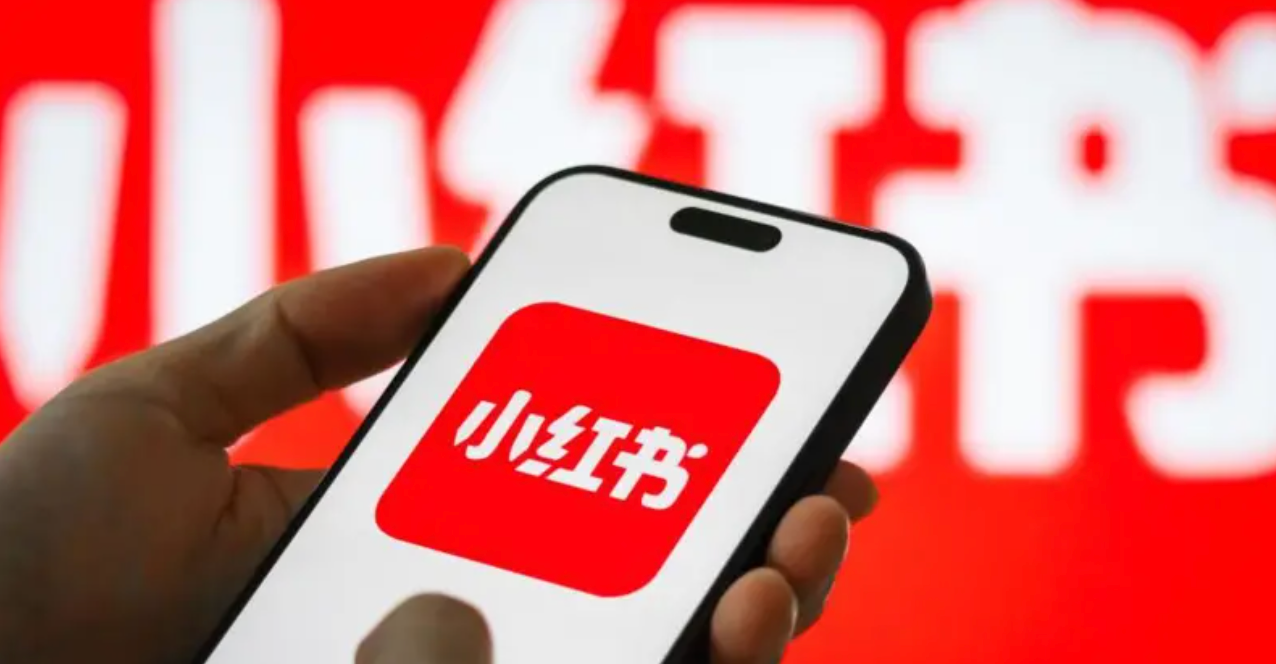
Rednote operations cannot depend only on beautiful images. Account positioning, Chinese brand name, content pillars, search keywords, note structure, creator collaboration and visual style need to be planned together. For many international brands, Rednote is the first place where a Chinese consumer forms a practical impression of whether the brand understands them.
Blue V and Compliance Need Early Review
For commercial institutions, Blue V verification can help users identify the official account and may affect which commercial functions are available. But Blue V is not always a simple document submission. Education, real estate, finance, healthcare, employment, legal and other professional categories may require additional qualifications or proof.
If an account gives advice related to investment, property purchase, employment or other regulated decisions without proper qualifications, content may be reported, limited or removed. International brands should review account certification and category fit before they begin formal operations. In Chinese social media, compliance is not a final check. It shapes the channel strategy from the beginning.
Connect KOLs and WeChat to the Full Journey
KOL campaigns can help build social proof, but bigger is not always better. Brands should evaluate whether the creator's audience matches the target customer, whether the content is professional, whether engagement is real, whether the creator has category influence and whether past collaborations fit the brand. For education, real estate and professional service brands, smaller but more precise creators may be more valuable than large general entertainment accounts.

WeChat then plays a different role. Rednote is strong for discovery and peer trust. WeChat is better for official information and long-term communication. Official accounts can publish deeper content and company updates. Wechat Video Channel can support short video and livestreaming. Mini programs can handle bookings, sign-ups, e-commerce and services. WeCom is useful for consultation and customer relationship management.
However, brands must be careful about traffic diversion. Companies cannot freely post WeChat IDs, phone numbers, websites, emails or QR codes in ordinary Rednote notes, comments or private messages. Even Blue V verification does not automatically allow unrestricted off-platform traffic diversion. Lead generation should follow the account type, industry rules and platform-approved advertising paths.
Prepare for AI Search Visibility
Chinese consumers are increasingly using AI tools and platform search to understand brands. This means brands need to think not only about whether users can see content, but also whether search engines and AI systems can understand the brand accurately.
The Chinese name, company description, services, region, professional capabilities and contact information should remain consistent across the website, WeChat, Rednote and other official channels. Clear, accurate and frequently updated public content is more likely to be understood by search systems and AI tools. This is where SEO, GEO and AI search optimization begin to merge.
Measure Growth, Not Just Views
China marketing should not be measured only by followers, likes and views. The more important questions are whether brand search is growing, whether enquiries are qualified, whether appointments or sign-ups are happening, whether sales are real, and whether long-term customer relationships are forming.
Different industries need different metrics. Universities may track student enquiries and event registration. Real estate companies may track buyer and landlord leads. Logistics brands may track quote requests. Consumer brands may track saves, purchases and repeat purchases. The goal is not simply to appear on Chinese platforms. The goal is to build a Chinese digital brand that can be discovered, understood and trusted. Interested in exploring bespoke marketing tips and localized strategies for the Chinese market? Feel free to reach out to us!
The Roadmap Should Be Built Before Launch
A common mistake is to treat each China marketing task as a separate vendor project. One team handles Rednote, another handles WeChat, a third finds KOLs, and someone else works on SEO. Without a shared positioning and conversion plan, these efforts can create inconsistent language and weak customer follow-up.
Before launch, international brands should define a simple operating map: what the consumer discovers on Rednote, what they verify on WeChat or the website, what questions KOL content should answer, what information AI search should understand, and where the user should go when they are ready to enquire. This map does not need to be complicated, but it must be clear.
The strongest China market entry plans also include compliance from the start. Account category, Blue V documents, ad paths, lead-generation rules and industry qualifications can affect what content can be published and how customers can be contacted. Planning these details early prevents wasted content work and reduces the risk of platform restrictions.
Ready to build a clear, end-to-end China marketing roadmap for your brand? Reach out to us today and let’s turn social discovery into long-term growth!
