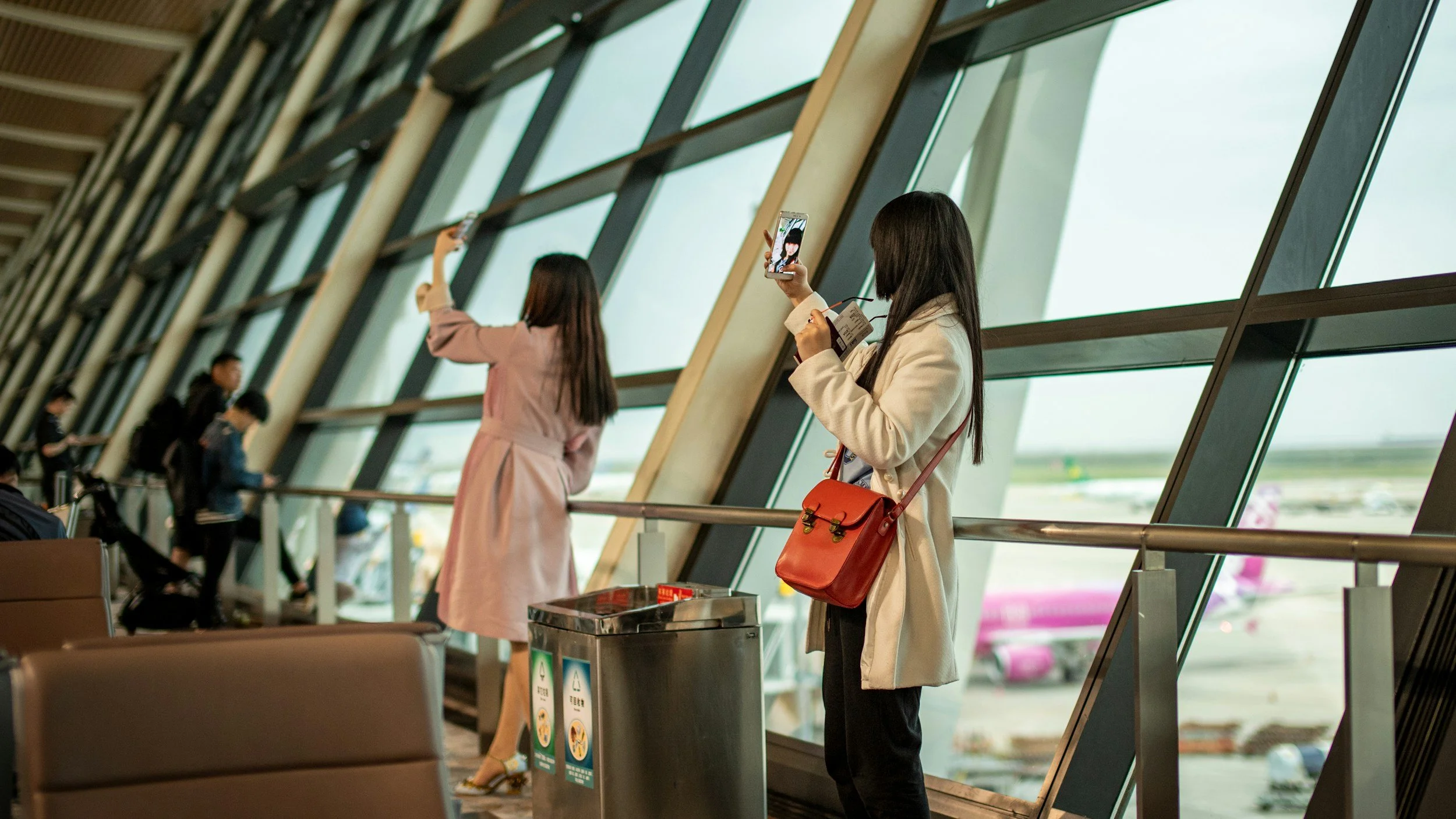
The New Voice of Douyin: A Brand Guide to Audio Comments
As Chinese social media continues to evolve, platforms like Douyin (TikTok China) and Xiaohongshu are testing a groundbreaking feature: voice comments. Moving beyond text and emojis, this audio-first approach aims to lower the interaction barrier, inject raw emotion into community spaces, and significantly increase user retention. However, this feature also introduces unique user experience challenges, from content moderation hurdles to the jarring nature of listening to slow audio in a fast-paced video feed. For global brands operating in China, understanding this auditory shift is critical. This article explores the strategic implications of voice comments and how they will reshape Chinese marketing strategies moving forward.ing and learn how to engineer viral, low-cost growth on Chinese social media.
8 Viral Marketing Masterclasses from CES 2026
The Consumer Electronics Show (CES) 2026 has concluded, but the shockwaves of its most brilliant marketing campaigns are still reverberating globally. For international brands looking to conquer the East, CES is no longer just a hardware exhibition; it is a masterclass in modern digital engagement. From Insta360’s guerrilla visual tactics to Dreame’s audacious redesign of household appliances, these eight standout cases reveal the blueprints for capturing consumer attention. By studying these disruptive strategies, global brands can glean invaluable insights into the future of Chinese marketing and learn how to engineer viral, low-cost growth on Chinese social media.
Decoding Rednote’s 2026 Regulations: The Brand Survival Guide
Entering the China market in 2026 requires more than just a localized product; it demands rigorous compliance with rapidly evolving digital governance. At the start of the year, Rednote (Xiaohongshu) rolled out a comprehensive overhaul of its community and commercial regulations. Shifting from reactive penalties to proactive prevention, the platform is aggressively targeting fake personas, low-quality content, and unregulated medical aesthetics. For global brands navigating the complex waters of Chinese social media, understanding these uncrossable "red lines" is crucial. This article breaks down the systemic changes and offers strategic advice for thriving in the new era of authentic Chinese marketing.
The WeChat Code: 3 Core Values Every International Brand Must Know
To succeed in China, understanding WeChat is non-negotiable. Recently, WeChat blocked sharing links for "Yuanbao"—an AI app developed by its own parent company, Tencent—for violating anti-spam rules. This ruthless impartiality sends a clear message to global brands: inside the WeChat ecosystem, user experience trumps corporate nepotism. This article decodes the three foundational values driving the world's most powerful Super App. By understanding WeChat’s philosophy on product restraint, organic word-of-mouth, and the fundamental principle of value exchange, foreign brands can craft a sustainable, long-term strategy for Chinese social media.
Decoding a Decade of Growth: How Swisse Mastered the Chinese Market
How does an overseas health supplement brand transition from a gray-market viral sensation to a dominant omnichannel ecosystem in the world's most competitive retail landscape? This case study explores the ten-year evolution of Swisse in China. From leveraging the early "Daigou" (personal shopper) wave and cross-border e-commerce boom to pivoting toward a localized "Mega Brand" strategy targeting every life stage, Swisse provides a masterclass in market adaptation. We unpack the brand's strategic milestones, its omnichannel retail execution, and the unwavering commitment to product efficacy that built its deepest competitive moat in a rapidly shifting consumer environment.
Can TikTok’s "PineDrama" Conquer the Global Short Drama Market?
The global short drama market, currently dominated by apps like ReelShort and DramaBox, faces a new challenger: TikTok. With the quiet launch of its standalone app PineDrama in the US and Brazil, ByteDance is deploying a "free-to-watch" strategy aimed at disrupting the $11 billion industry. This article analyzes TikTok's strategic pivot, learning from its past failures in Japan and Southeast Asia, and evaluates whether its massive traffic advantage can overcome the entrenched content moats of its competitors. For global marketers, this signals a new phase in Chinese social media's influence on Western entertainment.
Why WeChat Mini-Games Are the New Traffic Oligarch in China
While the global spotlight often shines on short-video platforms, a quieter revolution has taken over the digital landscape of China. WeChat Mini-Games have evolved from simple time-killers into a massive ecosystem serving over 500 million monthly active users. Surpassing traditional app-based games in user activity, this sector has become a critical battleground for advertisers and brands. This article explores the explosive growth of this "hidden wind," the rise of the female gamer demographic, the unprecedented revenue-sharing deals with Apple, and how AI is reshaping the industry. For overseas brands, understanding this ecosystem is no longer optional—it is a vital component of any Chinese marketing strategy.
Why "The Human Touch" is Defining Chinese Marketing in 2026
The 2026 Chinese marketing landscape is moving beyond simple "recovery" narratives. As economic uncertainty persists, a new psychological anchor has emerged: "The Human Touch" (Huo Ren Gan). Consumers are pivoting from long-term asset accumulation toward immediate, high-fidelity emotional experiences. From "Eat-ertainment" in the dining sector to the collectors' frenzy in the tea-and-coffee market, and "Immersive Living" in tourism, the demand for authenticity and participation is reshaping business models. This article explores how global brands can tap into this collective return to real-life sensations to foster deeper connections with China's resilient yet discerning consumers.
The 2026 Entry Strategy for Douyin Global Buy
As China's appetite for premium wellness products reaches a new peak in 2026, Douyin Global Buy remains the premier gateway for overseas health brands. However, entering this high-velocity ecosystem requires navigating a stricter regulatory landscape. This guide simplifies the 2026 entry requirements, from legal documentation and financial setups to the nuances of product compliance and localized marketing. We explore the latest policy shifts—including specialized sub-categories for aging and athletic populations—and provide a strategic roadmap for brands to secure their foothold in the world's most dynamic social commerce market.
Winning China 2026: 10 Iconic Campaigns (Part II)
Following our analysis of the first five iconic campaigns, Part 2 explores how brands in China are leveraging IP personification, creative subversion, and high-EQ public relations to dominate the market. From the animated IPO of Mixue Bingcheng to Nike’s heart-warming response to a handmade "fake," these cases illustrate the maturity of the Chinese social media landscape. We analyze how global brands can learn from the "content-first" collaboration of Mengniu and the global expansion of Pop Mart’s Labubu. This conclusion to our top ten series provides a roadmap for overseas brands to build authentic connections with China's sophisticated consumers.
Winning China 2026: 10 Iconic Campaigns (Part I)
Navigating the Chinese social media landscape requires more than just a large budget; it requires cultural fluency and the ability to spark "memetic" conversations. As we enter 2026, several high-impact campaigns have redefined how brands interact with consumers in China. From the color-coded celebrity wars of food delivery giants to the dramatized "brand marriage" of Luckin Coffee and Duolingo, these cases highlight a shift toward co-creation, emotional resonance, and high-speed creativity. This article analyzes the first five of the top ten digital marketing cases that overseas brands must study to succeed in the unique and vibrant market of China.
The New Era of Compliance in China’s Digital Market
The regulatory landscape for Chinese social media and e-commerce has reached a pivotal turning point in early 2026. With the introduction of the Administrative Measures on Network Trading Platform Rules and the Administrative Measures on Live Streaming E-commerce, the Chinese government is aggressively curbing platform monopolies and fraudulent livestreaming practices. These regulations shift the power dynamic back to brand owners, mandating transparency in rule changes and accountability in advertising. For international brands, this marks an era where operational compliance is no longer optional but a competitive advantage. This article breaks down the technicalities into actionable insights for global market entry.