

Light Outdoor in China: Lessons for International Brands
China's outdoor market is no longer only about mountains, technical jackets, and a small group of highly professional users. In 2026, the category is becoming more everyday, lighter, and closer to the way young Chinese consumers actually live. Nike has brought ACG back into sharper focus and opened the sub-brand's first standalone global store in Beijing Sanlitun. Adidas has localized its outdoor line with the Chinese name Shan Chuan Li, a softer expression that suggests moving freely among mountains and rivers rather than conquering them.
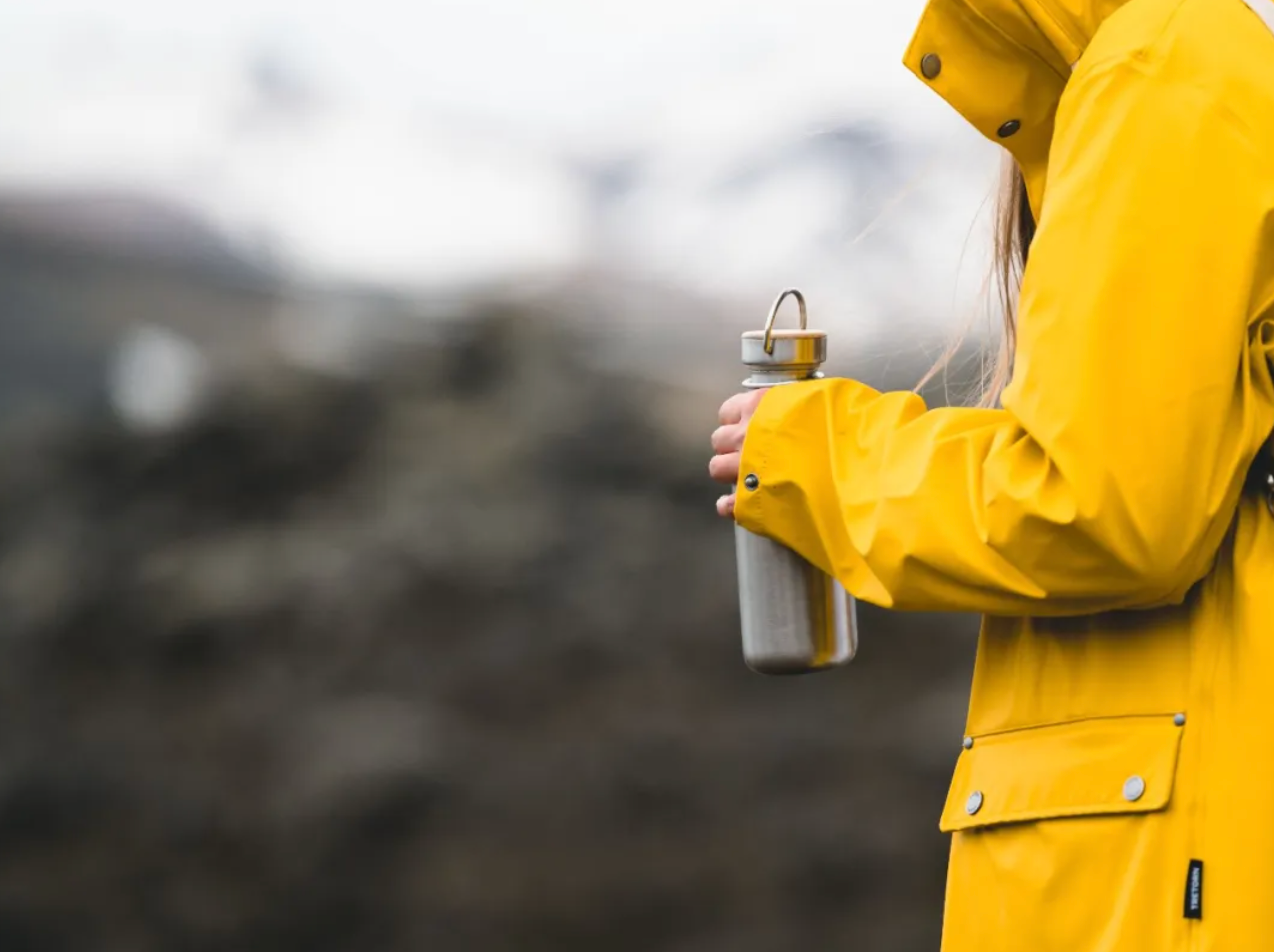
The important point for international brands is not that the entire outdoor industry has abandoned performance. Professional outdoor brands still need technical credibility, serious product standards, and core user communities. What is changing is the growth of a large adjacent market: consumers who do not want to climb dangerous routes or compare every fabric parameter, but do want to walk around the city, hike near the suburbs, camp for a weekend, take photos, and feel briefly released from work pressure. This is where Chinese marketing around outdoor consumption is becoming especially interesting.
From Professional Equipment to Everyday Scenarios
Outdoor shoes and apparel in China have already reached significant scale, but the growth logic is shifting. In the past, functionality was the main story. Waterproofing, breathability, durability and cold resistance carried most of the communication. Today, consumers still care about performance, but they also ask whether the product looks good in daily outfits, whether it works for commuting, whether the price feels fair, and whether it can be worn in more than one situation.
This is why light outdoor and city outdoor have grown so quickly. A shell jacket can appear in an office elevator. Trail running shoes can show up on the subway. Sun-protective jackets and quick-dry trousers can become part of a summer commute. When over 70% of some outdoor users are wearing products such as shell jackets for daily travel, the category is no longer only serving occasional outdoor trips. It is becoming a normal part of urban life.
For international brands entering China, this changes the content strategy. A product page cannot only explain technical specifications. Rednote content, Chinese social media posts, KOL seeding and offline events need to show how the item works across the full rhythm of a Chinese consumer's week: workday commute, short weekend escape, travel, social photography and light exercise.
Why Consumers Are Choosing Lighter Outdoor
The rise of light outdoors is partly a response to emotional fatigue. Many young urban consumers are tired, busy and cost-conscious. They may not have the time or budget for long-distance trips, but they still want a sense of getting out. A nearby park, a suburban trail, a short ride or a casual camp can provide enough distance from daily pressure to feel meaningful.
This makes outdoor products more than equipment. They become a small promise that the consumer can leave the office, step outside, and recover some control over their time. The purchase motivation moves from pure function toward emotional value. Brands are not just selling protection from wind and rain. They are selling the possibility of moving freely, even briefly, within a demanding urban life.
The generational change matters as well. Earlier waves of camping and cycling sometimes turned into equipment competitions. The newer mood is less about showing expensive gear and more about relaxed participation. adidas Shan Chuan Li reflects this shift by using a softer, more local cultural language. HELLY HANSEN's ALIVE CAMP in Shenzhen also shows a useful direction: instead of displaying sailing spirit from a distance, the brand placed participants inside a sea-based experience with interaction, movement and narrative. Consumers no longer only want to watch a brand story. They want to enter it.
Social Media Turns Outdoor Into Social Currency
Chinese social media has amplified this change. Outdoor outfits, race medals, camping setups, city walks and weekend hikes are highly shareable. For consumers aged 25 to 34, outdoor activity is often linked to social connection as much as exercise. A product that photographs well, feels easy to style, and carries a recognizable lifestyle signal can travel quickly across Rednote, Wechat Video Channel and other Chinese social media platforms.
This also affects product design. Color, silhouette, fit and photo-readiness are no longer secondary details. They influence how efficiently a product can spread in content. A jacket that works technically but looks awkward in daily photos may struggle in light outdoor. A shoe that can move from trail to coffee shop to subway will have more chances to appear in user-generated content.
What International Brands Should Do
International outdoor, sportswear and lifestyle brands should avoid treating light outdoor as a watered-down version of professional outdoor. Chinese consumers are becoming more rational, and lightness does not mean they will accept poor function. In fact, when one product is expected to serve both light hiking and daily commuting, comfort, fit, durability and versatility become even more important.
The opportunity is to define a clear role between professional credibility and everyday relevance. Some brands should continue building authority with core outdoor communities. Others can lower the psychological barrier through lifestyle language, city-based events and Rednote-friendly content. The strongest brands will do both: keep the technical foundation credible, then translate it into daily scenarios that Chinese consumers can immediately understand.
For international brands developing Chinese marketing in this category, the question is not only what the product can do outdoors. It is what kind of life the product allows Chinese consumers to imagine. The brands that understand this emotional shift will be better positioned to move from equipment provider to lifestyle partner. Interested in exploring bespoke marketing tips and localized strategies for the Chinese market? Feel free to reach out to us!
Content and Channel Implications
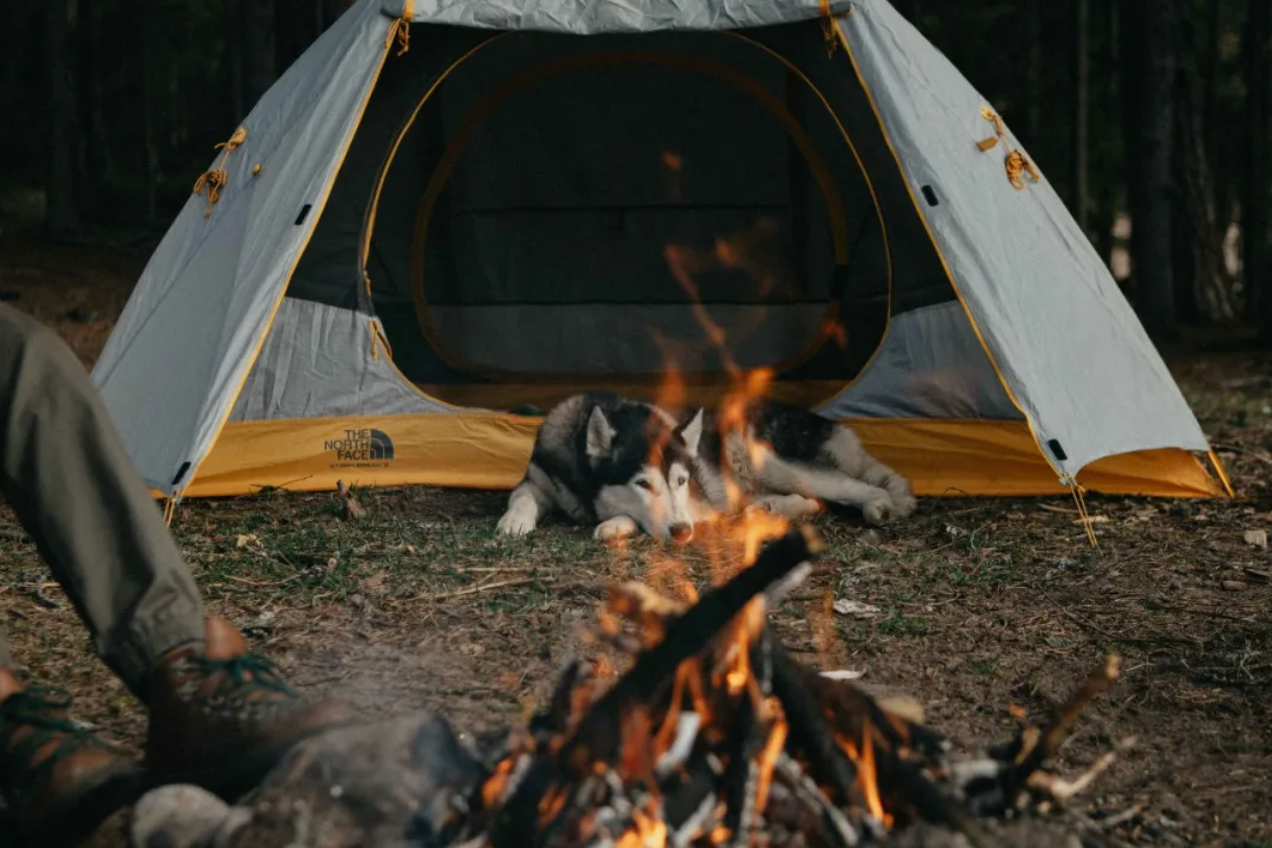
In practical Chinese marketing, light outdoor also requires a different content mix. Professional product explainers are still needed, especially for materials, weather resistance, fit and durability. But they should be balanced with daily-life content: what to wear for a weekend walk, how to style one jacket for commuting and travel, what to pack for a low-effort suburban escape, and how to choose outdoor shoes when the user is not a professional hiker.
Rednote should carry search-friendly, scenario-based notes. Wechat Video Channel can show movement, styling transitions and short outdoor routes. Offline community activity can help consumers feel the brand's lifestyle without forcing immediate purchase. The best content system will make the brand feel useful before it feels commercial.
International brands should also be careful with tone. Chinese consumers in this segment are not asking to be lectured by experts. They want guidance that makes outdoor participation easier. The brand voice should feel capable, relaxed and encouraging, not intimidating. That is where cultural adaptation matters most.
Ready to bring your brand to China and turn initial launch buzz into sustainable, long-term growth? Get in touch with us to build a tailor-made strategy that fits the local market logic!
