

It all begins with an idea. Maybe you want to launch a business. Maybe you want to turn a hobby into something more. Or maybe you have a creative project to share with the world. Whatever it is, the way you tell your story online can make all the difference.
It all begins with an idea. Maybe you want to launch a business. Maybe you want to turn a hobby into something more. Or maybe you have a creative project to share with the world. Whatever it is, the way you tell your story online can make all the difference. Don’t worry about sounding professional. Sound like you. There are over 1.5 billion websites out there, but your story is what’s going to separate this one from the rest. If you read the words back and don’t hear your own voice in your head, that’s a good sign you still have more work to do.
China Marketing Insights for International Brands

Wechat Video Channel Strategy for International Brands
Wechat Video Channel has a distinct operating model built around public recommendation and private WeChat distribution. Its longer content life, save and revisit signals, friend and group sharing, account positioning, content consistency and private-domain conversion create a different playbook from other short-video platforms. This practical guide explains how international brands can use Wechat Video Channel as part of a Chinese social media and WeChat growth system.

Rednote Parenting Trends for International Brands
Rednote's 2026 parenting and childcare data shows that young Chinese parents are moving beyond basic product needs toward science-based parenting, everyday development, outdoor exploration and emotional connection. Core categories remain important, but growth is moving into sleep, sensory learning, self-feeding, sun protection and parent-child wellbeing. For international baby and family brands, the opportunity is to connect product value with real parenting scenes and the idea of parents growing alongside their children.
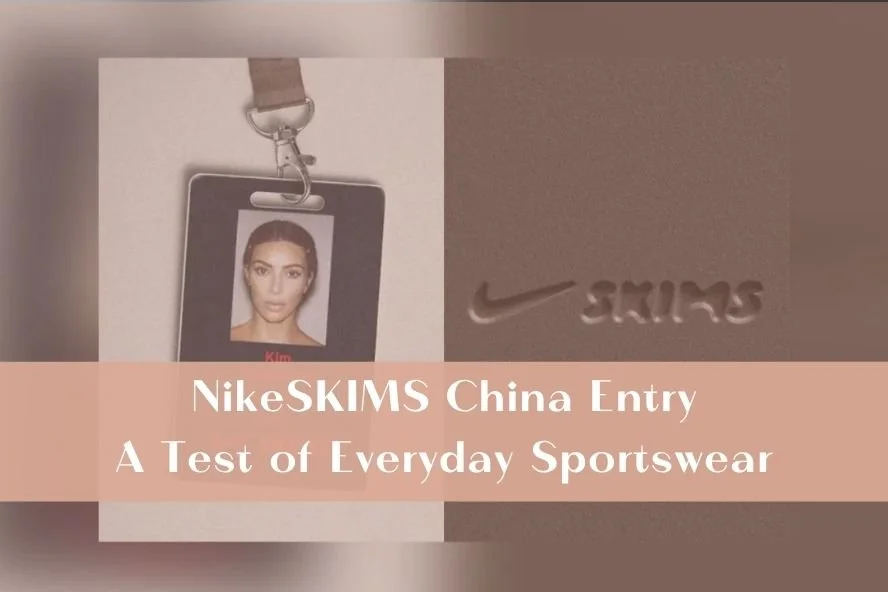
NikeSKIMS China Entry: A Test of Everyday Sportswear
NikeSKIMS is entering China through a limited Shanghai slow-pop-up at a moment when the women's sportswear market is crowded, local competition is stronger and several international brands are under pressure. The partnership combines Nike's sports technology with SKIMS' fit and fashion expertise, but it must still prove authenticity, price value and the everyday transition from training to commuting. For international brands, the case shows why controlled market testing and local consumer validation matter.

LEMAIRE China: What WeCom Private-Domain Operations Show
LEMAIRE's China case shows how a quiet luxury brand used WeCom, customer tagging, staff training, store KOS content and Rednote-to-private-domain operations to support its Chengdu flagship. The case is presented as an example of how the brand used WeCom, not as a Lotus implementation claim. For international luxury brands, it demonstrates how private-domain operations can connect store service, clienteling, customer data, KOS content and repeat purchase without weakening brand identity.

Rednote Seeding Needs Full-Funnel Operations
Rednote seeding is entering a more mature phase. For high-ticket brands with long decision cycles and private-domain repurchase, exposure and immediate in-platform conversion do not show the full value of content. A stronger model connects compliant attribution, encrypted data matching, CDP and SCRM systems, customer segmentation and private-domain nurturing. For international brands, this turns Rednote from a one-off media expense into a measurable and reusable customer asset.
Why E-commerce Is the New First Store in China
More than 100 international brands, including Alo, VEJA, Eight Sleep, Mardi Mercredi, LOW CLASSIC and Helen Kaminski, have entered China through an official Tmall store before opening a broad physical network. The e-commerce-first route gives brands official identity, national reach, consumer data and a lower-risk way to test demand. For international brands, the new China entry sequence is often online first, then offline based on evidence.

Light Outdoor in China: Lessons for International Brands
China's outdoor market is moving beyond extreme performance and into lighter, more everyday use cases. Nike ACG, Adidas Shan Chuan Li, HELLY HANSEN, Li-Ning and other brands show how outdoor consumption is becoming part of commuting, weekend recovery, social content and lifestyle identity. For international brands, the opportunity is not simply to sell technical gear, but to understand why Chinese consumers are using outdoor products as emotional relief, self-expression and daily mobility tools.
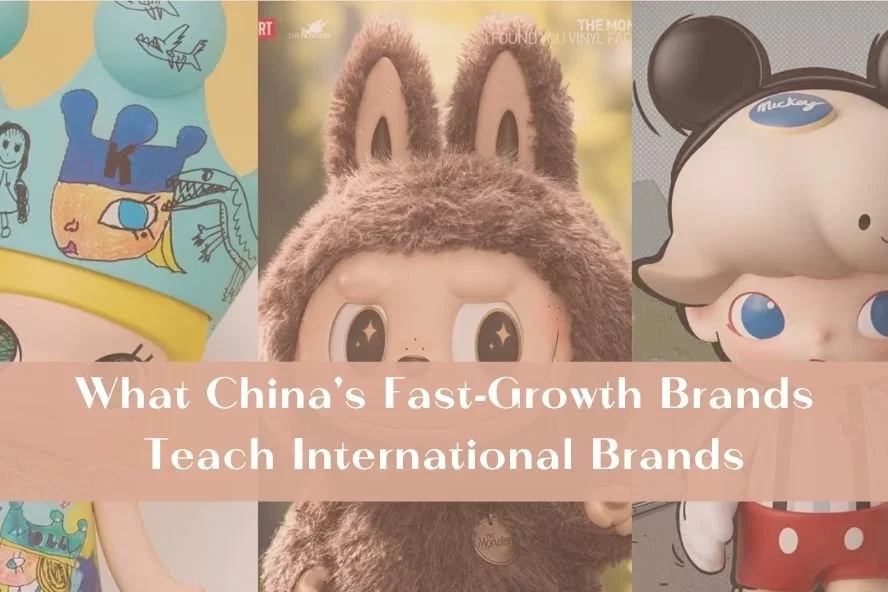
What China's Fast-Growth Brands Teach International Brands
A group of fast-growing Chinese brands across IP, beauty, retail, AI, robotics, new energy vehicles and instant commerce reveal a common pattern: growth is no longer driven only by traffic or expansion. The strongest brands redefine value, turn products into content, use data and AI to learn faster, and convert users into long-term assets. For international brands, these cases offer a practical framework for building growth in China's more selective consumer market.

Why U.S. Fast Food Brands Are Entering China
Five Guys, Popeyes, Wendy's, Church's Texas Chicken and Cinnabon are part of a new wave of U.S. food brands entering or expanding in China, while older Western restaurant brands are increasingly shifting local ownership and decision-making to Chinese operators. The lesson for international brands is that China still offers growth, but the old copy-and-paste model no longer works. Localization, local partners, product adaptation and Chinese marketing systems now decide long-term success.

Beyond Style: How International BrandsWin on Rednote
Rednote's 2026 fashion white paper shows that apparel consumption in China is moving from basic style and function toward emotional self-expression. Four themes, light living, ageless passion, energy support and independent connection, reveal how consumers use fashion to manage pressure, identity, life stages and social belonging. For international fashion, jewelry, sportswear and lifestyle brands, emotional seeding on Rednote is becoming essential to Chinese marketing.
China Marketing Roadmap for International Brands
International brands entering China often start by opening Rednote, WeChat or KOL accounts, but scattered platform activity rarely creates long-term growth. A stronger China marketing roadmap connects brand positioning, market research, Rednote setup, Blue V verification, content strategy, KOL campaigns, WeChat communication, AI search visibility and conversion tracking. This guide explains how these pieces work together to help Chinese consumers discover, understand and trust an international brand.