

What China's Fast-Growth Brands Teach International Brands
China's business environment in 2026 is showing a sharper divide. Many companies are spending more on traffic, opening more stores, launching more products, and still finding that growth is harder to win. At the same time, brands such as Pop Mart, Laopu Gold, Miniso, Luckin Coffee, Atour, Insta360, Unitree, BYD, DeepSeek, Kimi and Hongguo are still expanding quickly across very different industries.

The lesson for international brands is clear: China is not simply a slowing market. It is a market where growth is becoming more structural. The brands that keep growing are not just buying attention. They are changing the criteria consumers use to choose, building stronger product systems, creating content that spreads by itself, and using data, AI and organization speed to turn early success into a repeatable system.
Engine One: Redefine What Consumers Are Buying
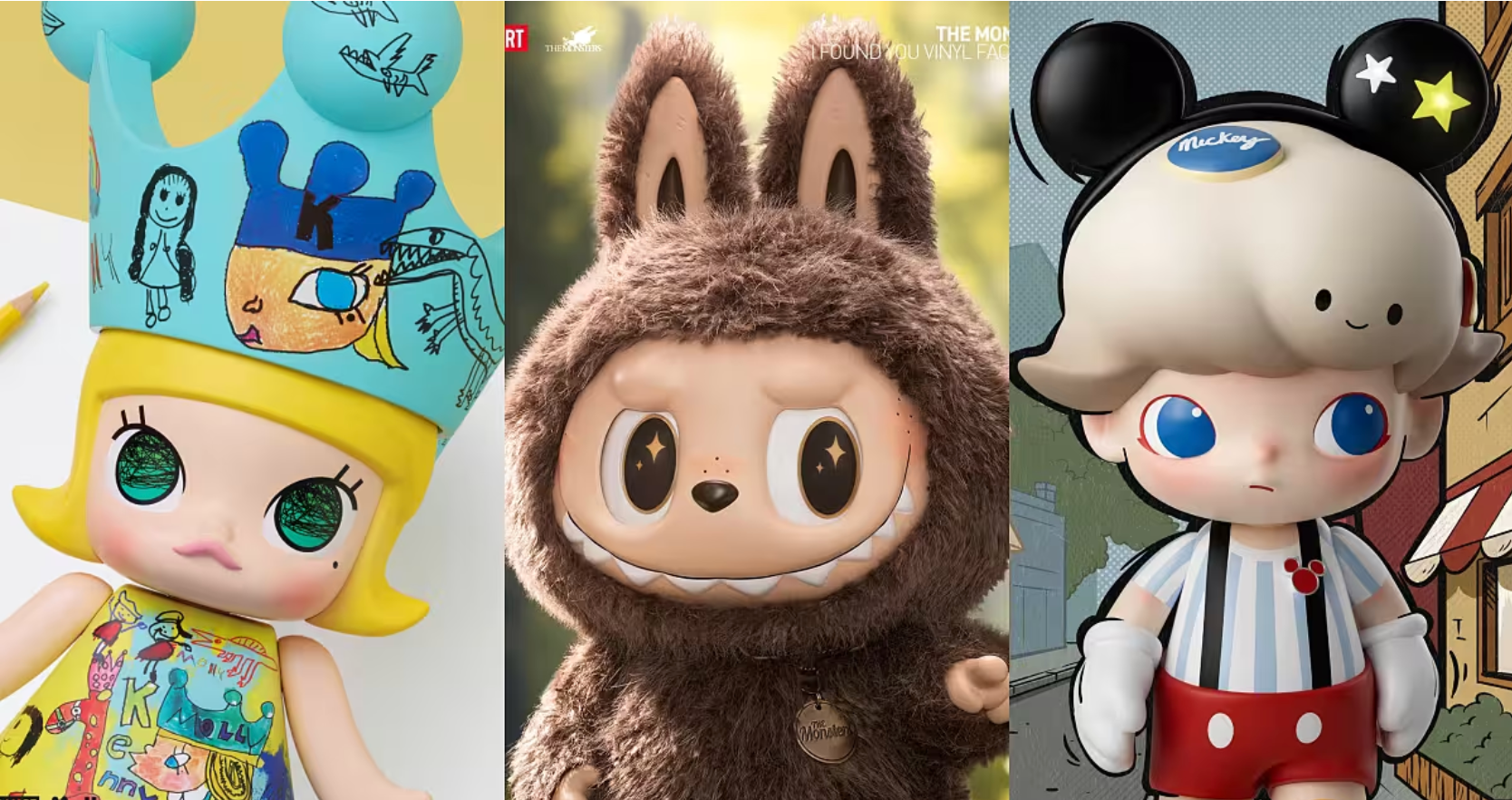
The strongest Chinese brands often begin by changing the comparison standard. Pop Mart turned toys into emotional and identity assets for adults. LABUBU and other characters are not only collectibles; they appear on bags, in outfits, in gifting moments, celebrity styling and social content. Consumers do not need to know a complete story before they can project their own feelings onto the character. That makes the IP easier to spread across cultures.
Laopu Gold did something similar in a completely different category. Gold is normally easy to compare by daily gold price, weight and processing fee. Laopu shifted attention toward ancient craftsmanship, traditional patterns, cultural meaning, design series, premium spaces and service. The consumer is no longer only asking how much gold costs per gram. They are asking what cultural and aesthetic value the piece carries.

Mao Geping shows the same principle in beauty. Instead of relying only on ingredients, livestream discounts or traffic, the brand built high-end value around professional makeup methods, facial structure, Eastern aesthetics and offline service. Consumers are not only buying a foundation or contour product. They are buying a method for improving how the face looks.
For international brands, this is one of the most important China marketing lessons. A brand cannot enter China and assume its global value proposition will be understood automatically. It needs to ask: what comparison standard do Chinese consumers currently use, and can the brand shift that standard in a credible way?
Engine Two: Turn Products Into Content
A second pattern is that products increasingly need to carry their own media value. Insta360 is a strong example. The brand did not compete directly with traditional camera companies on familiar camera parameters. It created new shooting scenarios around 360-degree cameras, invisible selfie sticks, action footage and AI editing. When consumers see a unique video made with the product, they understand the value immediately.
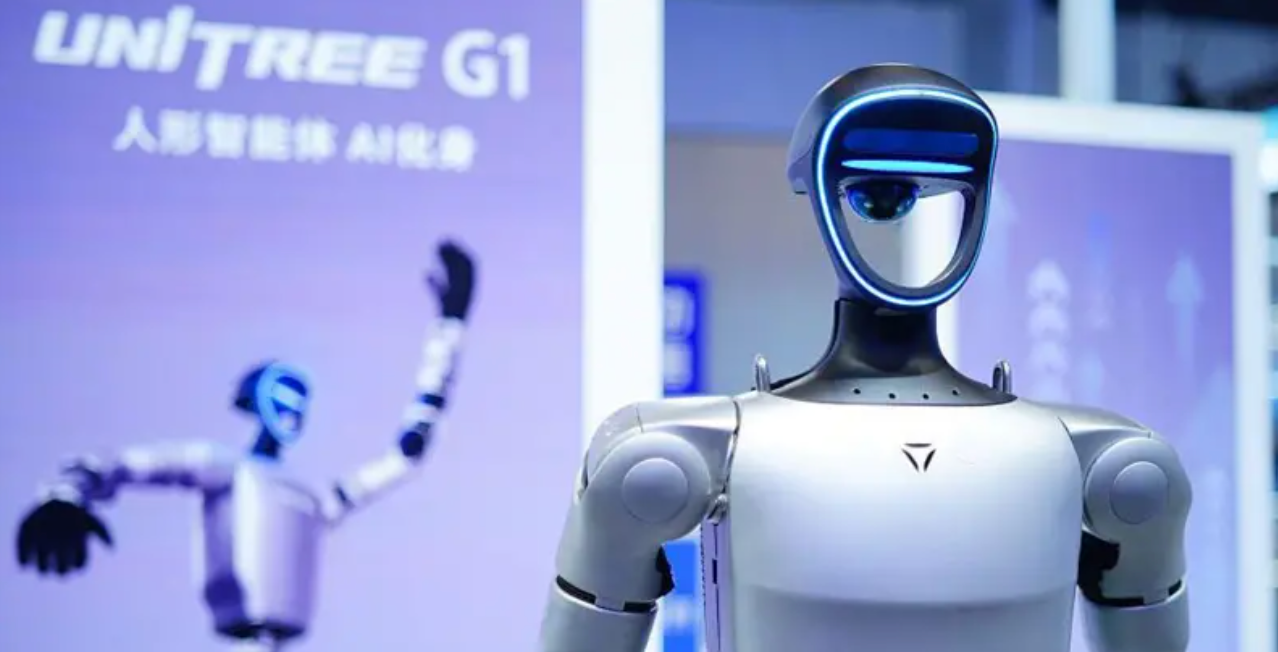
Unitree has done something similar with robotics. Running, jumping, dancing and boxing demonstrations translate motors, joints and control algorithms into content that ordinary audiences can understand. Technology becomes a standardized product, and the product becomes a visual story. Seedance 2.0 also benefits from the same logic: every impressive AI-generated video is simultaneously a user work, product demo, social topic and brand advertisement.
This matters deeply for Chinese social media. On Rednote, Douyin, Wechat Video Channel and WeChat ecosystems, products that can naturally create shareable content enjoy lower education costs. International brands should think beyond campaign assets. The product, store, packaging, user result or service process should be designed so that consumers and creators can explain it visually for the brand.
Engine Three: Build Data and AI Into the Operating System
Luckin Coffee, Mingming Henmang and Taobao Flash Purchase show another side of growth: operational learning speed. Luckin uses apps, mini-programs, delivery, stores and member data to connect ordering, promotion, payment and fulfillment. Product preferences, regional demand and inventory signals can move quickly into product development and store operations.
Mingming Henmang uses the hard-discount model to redesign snack distribution. Lower prices attract consumers, high turnover increases purchasing scale, scale lowers cost, lower cost attracts franchisees, and more stores increase bargaining power. Taobao Flash Purchase uses high-frequency local demand to turn a traditional e-commerce platform into a broader consumer entry point.
AI shortens this learning cycle further. Some brands make AI products, such as DeepSeek and Kimi. Others use AI to improve recommendation, content production, customer service, planning and decision-making. The larger message is that data only matters when the organization can act on it quickly. High-growth brands are often better at completing repeated loops of discovery, testing, feedback and scaling.
Engine Four: Convert Traffic Into Long-Term Assets
Traffic can create the first contact, but brand assets determine how many future transactions can happen. Pop Mart uses IP, membership, collectibles and community to encourage repeat purchase. A tour turns a hotel stay into a long product trial for pillows, mattresses, bedding and fragrance, then continues the relationship through retail. Hongguo uses free short dramas, algorithmic distribution, IP adaptation and advertising to build a massive content platform.
This is especially relevant for international brands entering the Chinese market. Many new entrants focus too heavily on first-wave exposure: a KOL campaign, a platform launch, a livestream, or a single pop-up store. Those can be useful, but they are not enough. The more important question is whether the exposure becomes search volume, followers, private-domain relationships, repeat purchase, user data and stronger brand recognition.
What International Brands Can Learn
The surface tactics of these Chinese brands are very different, but the underlying structure is surprisingly similar. First, they create a new reason for consumers to choose. Second, they use content, AI, data, operations and channels to amplify that value. Third, they turn users, community and sales into assets that reduce the cost of the next launch or market expansion.
For international brands, the takeaway is not to copy any one Chinese brand directly. The useful lesson is to build a China growth system rather than a China campaign. That system should connect positioning, product, content, Chinese social media, local channels, user data and long-term customer relationships. In a more selective China market, the brands that keep growing will be the ones that keep learning. Interested in exploring bespoke marketing tips and localized strategies for the Chinese market? Feel free to reach out to us!
How International Brands Can Apply the Growth System
For international brands, the first practical step is to separate global strength from China relevance. A brand may have strong technology, heritage, design or supply chain capability, but Chinese consumers still need a local reason to care. The China proposition should translate global assets into a specific consumer problem, scenario or emotional value.
The second step is to make the product easier to explain in Chinese content. High-growth Chinese brands often reduce market education costs because the product itself creates a simple story. A robot that dances, a camera that creates impossible angles, a hotel pillow that guests can buy after sleeping on it, or a character charm that appears on a bag all make value visible. International brands should ask what part of their product can become content without overproduction.
The third step is to connect the first campaign to a longer user system. Rednote search, WeChat official content, private-domain communication, membership, customer service and repeat purchase should be planned from the beginning. Otherwise, attention disappears after the launch. In China, the strongest growth does not come from one viral moment. It comes from turning every successful touchpoint into a reusable asset.
Planning your brand's expansion into China and looking for a clear, localized roadmap? Reach out to our strategy team today—let’s connect and map out your market-entry execution together!
