

Beyond Style: How International BrandsWin on Rednote
When basic clothing needs are already satisfied, style, price and function are no longer enough to create clear differentiation. China's apparel market is moving from shelf competition and channel competition into emotional competition. Rednote's 2026 fashion white paper, based on analysis of more than 780,000 real posts, shows that clothing is increasingly becoming a visible expression of the self across life stages and daily scenarios.
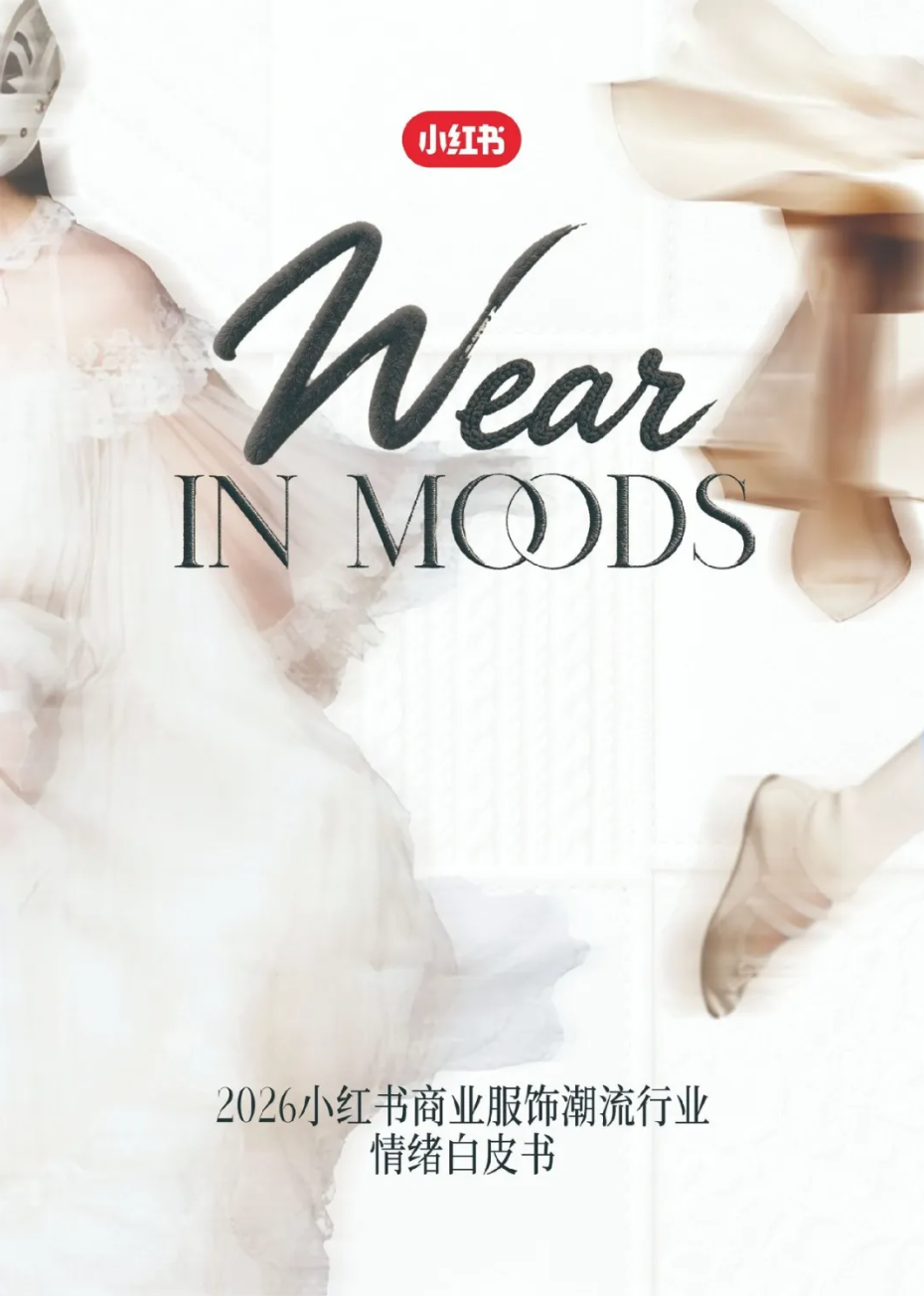
This is highly relevant for international brands because Rednote is not only a place where Chinese consumers discover outfits. It is also where they search for identity, confidence, mood, occasion and social belonging. A consumer may not type only 'white shirt' or 'commuting bag.' They may search for how to look relaxed but capable, how to dress for a new job, how to feel lighter during a stressful period, or how to show maturity without looking old.
From What to Wear to Who to Become
The central shift is from 'what should I wear' to 'who am I becoming.' Consumers today do not see identity as fixed. It changes with age, work, relationships, social scenes and personal energy. Clothing becomes one of the easiest ways to express that change.
The white paper identifies two important dimensions. The first is the life stage. Teenagers may look for belonging, consumers aged 26 to 30 may want role recognition and achievement, and older consumers may want to reclaim the right to define age on their own terms. The second is scenario switching. Commuting, being alone, socializing, exercising and traveling all require different emotional states. Clothing becomes a kind of second skin that helps consumers move between those states.

Four Emotional Themes Brands Need to Understand
The first theme is light living. It responds to physical and emotional overload. Consumers want clothing that feels visually and physically relieving. Soft colors, light materials, easy silhouettes and low-pressure styling all help communicate release.
The second theme is ageless passion. It responds to the failure of fixed life templates. Consumers want to explore new versions of themselves without being limited by age. For fashion brands, this means age-inclusive storytelling should not only say that everyone can wear something. It should show how consumers continue to seek surprise, energy and self-renewal.
The third theme is energy support. In low-energy daily life, clothing can act like a switch that helps people move. A work outfit, sports set or structured accessory may provide a sense of action, achievement and pride. The fourth theme is independent but not lonely. In a more atomized society, clothing helps people find similar communities and confirm that their tastes, moods and lifestyles are shared by others.
Different Categories Carry Different Emotional Jobs
Fashion accessories often function as emotional amplifiers. Jewelry and small accessories are no longer only decoration; they can become portable emotional anchors. A necklace, charm or ring may mark a life stage, a personal promise, a relationship or a private recovery process.
Fashion apparel is moving from being watched to being actively directed by the wearer. Consumers want comfort, intelligence and self-control. Trends such as borderless wardrobes show how workwear, outdoor wear, home comfort and social outfits are blending. A shell jacket in the office is not only a styling trend. It reflects how Chinese consumers want clothing to follow real life rather than rigid category rules.
Sports and outdoor apparel are expanding the consumer's life radius. Short bursts of exercise, micro-sweat routines, race-day achievements and outdoor challenges all give clothing a role in self-confirmation. For international sportswear brands, this connects closely with the broader light outdoor trend in China.
How International Brands Should Build Emotional Seeding
The most useful lesson from the white paper is that brands need to add emotion to the classic consumer map. It is not enough to identify the audience and scenario. Brands also need to ask what feeling sits behind the purchase. Is the consumer seeking relief, confidence, achievement, belonging, control, freshness or a new identity?
This should shape Rednote content strategy. Creator selection should not be based only on follower count or visual style. Brands need to understand the creator's emotional tone. Some creators communicate calm healing, some communicate career confidence, some communicate playful independence, and some communicate high-performance energy. Matching the emotional base of the creator with the emotional job of the product can make content feel much more natural.
Search strategy should also change. Consumers are not only searching for products. They are searching for certainty and an ideal version of themselves. International brands should build a keyword structure that covers brand terms, category terms, scenario terms and emotional terms. In Chinese marketing, this means a fashion brand should not only optimize for product names, but also for moments such as commuting confidence, low-pressure dressing, first-job outfits, age-free style, light outdoor commuting and quiet luxury recovery.
The Takeaway for Brands
Rednote's fashion trends show that China's apparel market is becoming more emotional, more scenario-based and more identity-driven. International brands that only translate global campaign slogans into Chinese will miss the real search behavior happening underneath.
The brands that perform well will make Chinese consumers feel understood in a specific life moment. They will use Rednote not only as a display channel, but as a place to decode emotional demand, test language, build social proof and guide consumers from self-recognition to purchase. Interested in exploring bespoke marketing tips and localized strategies for the Chinese market? Feel free to reach out to us!
Building a Rednote Content System Around Emotion
A practical Rednote strategy should begin with emotional maps, not only product calendars. For each product line, brands can identify the strongest emotional job: ease, confidence, softness, ambition, belonging, recovery, celebration or self-renewal. This then guides creator selection, visual direction, caption language and search keywords.
For example, a jewelry brand can move beyond material and price to moments such as first job, birthday, graduation, travel, recovery after a difficult period or quiet self-reward. A sportswear brand can connect one product to micro-exercise, commuting, body confidence or weekend decompression. A fashion brand can show how one item helps a consumer move between work, social life and solitude without changing identity completely.
International brands should also localize emotional language carefully. Direct translations of global campaign slogans often feel too abstract. Rednote users respond better to concrete life moments, specific feelings and relatable tension. The content should make the consumer think, this is exactly what my life feels like, before asking them to consider the product.
Ready to transition from style seeding to emotional seeding on Rednote? Reach out to us today to turn deep consumer connection into real brand growth in China!
