

LEMAIRE China: What WeCom Private-Domain Operations Show
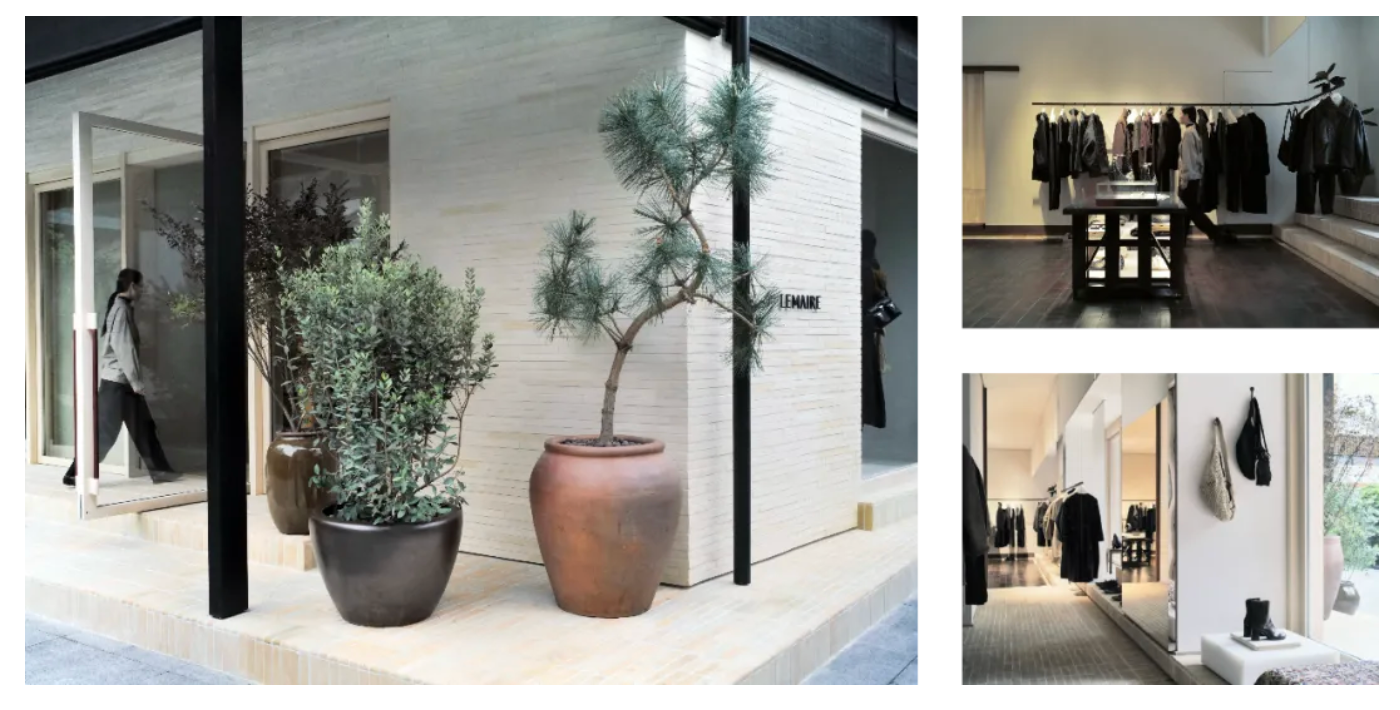
LEMAIRE has built its reputation around understated Parisian elegance, precise construction and an international design language. When the brand opened its first mainland China store in Chengdu in November 2024, the challenge was not simply to create awareness. It was to build a high-quality relationship with Chinese customers who value timeless wardrobes, service and long-term trust.
The case shows how LEMAIRE used WeCom as a customer operations tool around its China retail business. It is useful to clarify that this article is an observation of the brand's case, not a claim that Lotus implemented the project. The value for other international brands lies in the operating model and the questions it raises about private-domain customer care.
Why WeCom Fits High-Value Clienteling
A luxury customer relationship often extends beyond the transaction. Customers may need styling advice, product updates, appointment scheduling, alteration support, new-arrival recommendations and personal follow-up. WeCom can help store staff keep these conversations in a more structured business environment than personal messaging alone.
In the LEMAIRE case, the brand used WeCom to build a dedicated customer communication system, respond during the store's trial period and support more consistent service. The objective was to connect online and offline touchpoints while protecting the quality of one-to-one communication.
For international luxury brands, the key is not to send more messages. It is to make each interaction more relevant, timely and consistent with the brand's tone.
Build the System Around Customer Stages
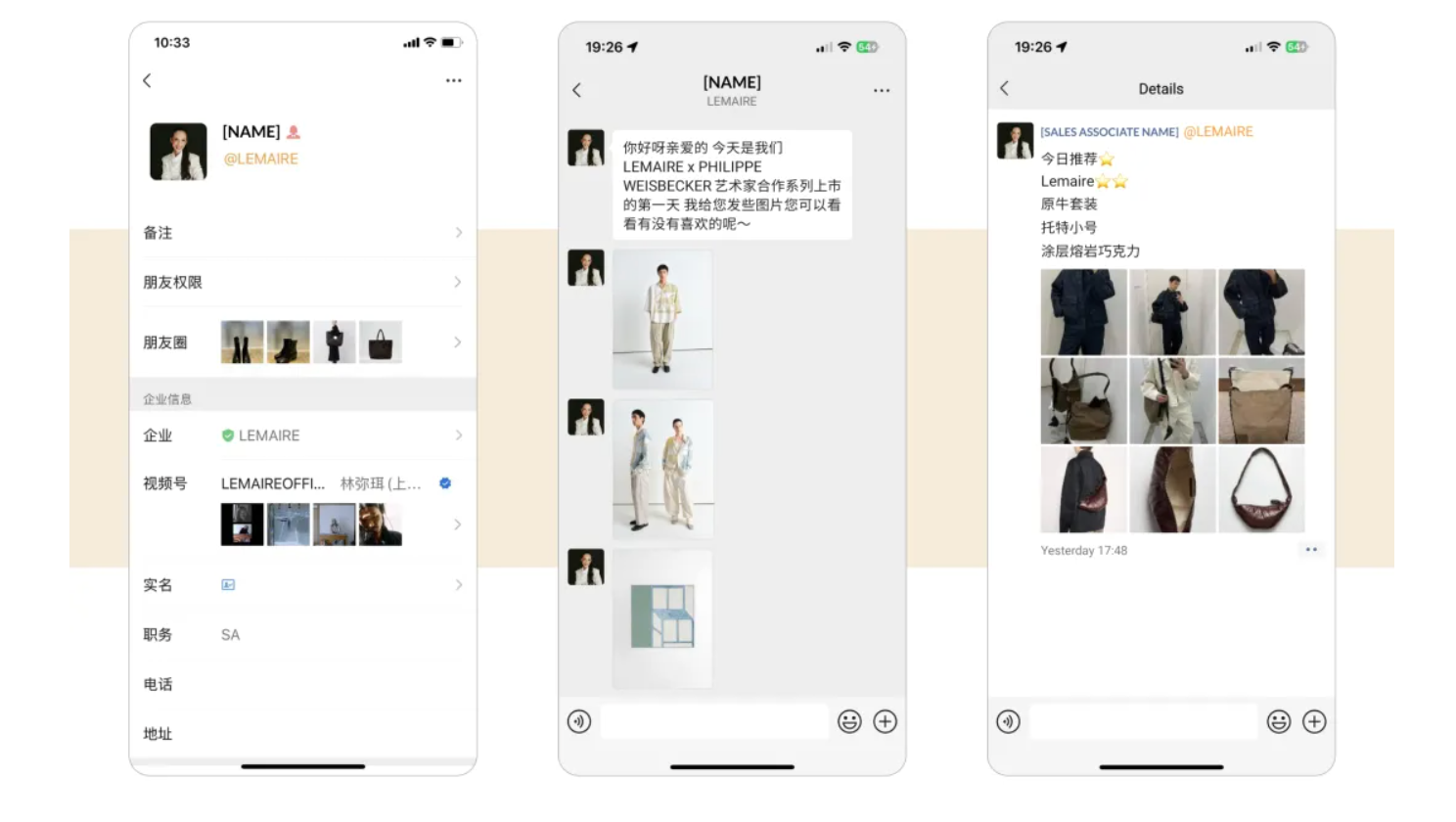
The case included customer addition processes, standard communication language and pathways from the store, official WeChat account and Rednote into staff WeCom accounts. This makes it possible to retain customer information and build a clearer customer profile for future communication.
WeCom tools such as welcome messages, quick replies, broadcast messages, customer tags, audience segmentation, scheduled Moments posts and customer handover help create a repeatable service process. A luxury brand can use these tools to support product education and clienteling while allowing staff to keep the interaction personal.
The most important design decision is to organize customer information around the journey. A new visitor, a first-time buyer, a high-value client and a returning customer should not all receive the same content. Segmentation can support more useful recommendations and reduce the feeling of mass marketing.
Connect Rednote KOS With Private-Domain Service
The case also connected Rednote with a KOS program. Selected store staff shared real outfit content and product experiences through their WeCom Moments and Rednote-related activity. This allowed public content and private customer care to support each other.
Store staff are often more credible than a distant corporate account when the product depends on fit, styling and service. Their content can show how a garment looks in a real wardrobe, while their private communication can answer questions and support an appointment or purchase.
For international brands, KOS should not be treated as a simple incentive program. Staff need training, brand guidelines, content support and clear boundaries around customer data. The goal is to make the store team a credible extension of the brand, not to turn every employee into a generic influencer.
Results and the Limits of the Case
The case material reports that 30% of total sales, including store and online orders, came from customer operations through WeCom. It also reports that thousands of store visitors added WeCom within two and a half months, that new-customer retention reached 95%, and that nearly one-fifth of new WeCom contacts came from the Rednote KOS program.
These figures illustrate the possible value of a connected private-domain system, but international brands should avoid copying the numbers as a promise. Results depend on store location, staff quality, product category, service standards, customer data practices and the maturity of the operating team.
The more durable lesson is that WeCom becomes useful when it is connected to staff training, customer segmentation, public content, store service and management review.
What International Luxury Brands Should Learn
Luxury brands entering China need to balance global brand consistency with local operating autonomy. A Chinese team should understand the global brand code, but also have enough authority to adapt communication, service and customer operations to local behavior.
A WeCom system can support that balance. It can provide shared processes and customer visibility while allowing staff to maintain a personal relationship. Rednote can create discovery and social proof. The store can create an experience. WeCom can support the relationship after the visit.
The LEMAIRE case shows that private-domain operations are not separate from luxury. When designed carefully, they can protect the brand's quiet tone while making customer care more continuous and measurable.
Interested in exploring bespoke marketing tips and localized strategies for the Chinese market? Feel free to reach out to us!
