

Beyond Compliance: Unlocking Growth for International Brands in China’s Cosmetics Market
With the transaction value exceeding RMB 1.1 trillion in 2025, China remains the world’s most dynamic cosmetics market. However, entering this territory involves navigating a complex regulatory landscape that emphasizes full-chain risk management. This blog post explores the dual nature of the 2026 Chinese marketing environment: the tightening of safety standards and the rise of localized industrial support. Beyond standard compliance, we highlight how international brands can leverage regional incentives—such as Shanghai's "Debut Economy"—and professional partnerships with firms like ZMUni to secure subsidies and streamlined market entry into China.

Navigating Rednote’s AI Ban: A Survival Guide for Brands
On March 10, 2026, Rednote issued a landmark decree: a definitive ban on fully automated AI accounts, bulk-generated AI "notes," and bot-driven interactions. For international brands leveraging AI to scale their presence in China, this marks a critical turning point. The platform is not banning AI tools entirely but is drawing a hard line against "autopilot" operations that erode user trust. This article decodes the new regulations, analyzes the platform’s motivation to preserve "human authenticity," and provides a strategic framework for brands to integrate AI safely without risking account termination in the competitive Chinese marketing landscape.
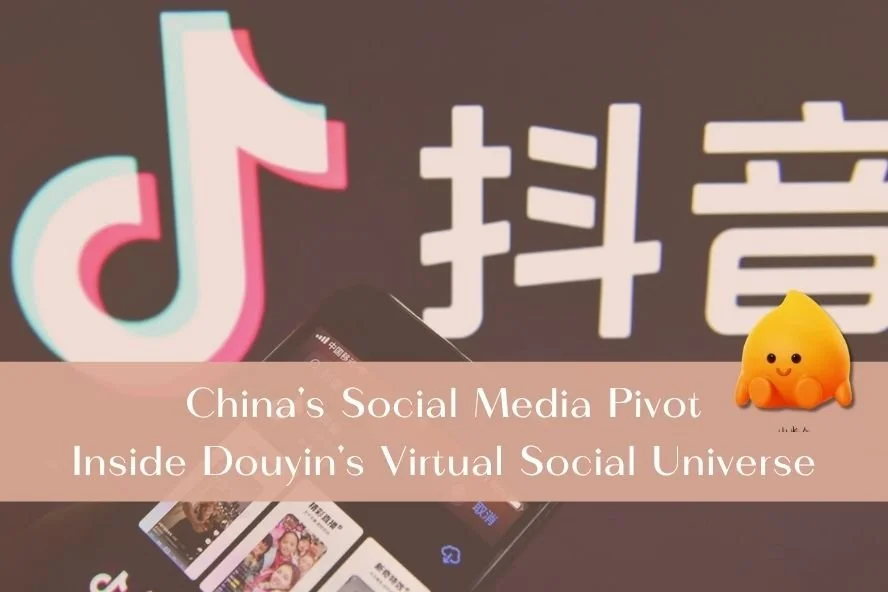
China’s Social Media Pivot: Inside Douyin’s Virtual Social Universe
As short-video growth hits a plateau, Douyin (China's version of TikTok) is aggressively pivoting toward a holistic social ecosystem. By introducing "World Square"—a virtual social hub—and the "Fire Elf" (Xiao Huo Ren) interactive IP, Douyin is transforming from a content consumption tool into a social destination. With over 100 million daily active users engaging with these virtual avatars, the platform is blending gaming, AI companionship, and offline interest-matching to secure user loyalty. For international brands, this marks a significant shift in how to engage Chinese consumers beyond traditional video ads.
Navigating China’s 2026 Growth Sectors: A Strategic Guide (Part 2)
Building on the momentum of Part 1, this second installment explores the remaining five pivotal sectors defining the landscape of China in 2026. As the market pivots toward high-utility innovation and deep demographic shifts, international brands have a unique opportunity to align with long-term national strategies and evolving consumer desires. We dive into the "Low-Altitude Economy," the recession-proof "Pet and Emotional Consumption" sector, the massive wealth transfer within the "Silver Economy," the stable growth of "Green Energy," and the commercial tipping point of "Autonomous Driving." For any entity looking to master Chinese marketing, understanding these vertical shifts is non-negotiable for sustainable success.
China’s 2026 Growth Sectors: A Strategic Guide (Part 1)
The investment landscape in China has undergone a tectonic shift in 2026, moving from high-burn growth models to a mandate for immediate, sustainable profitability. For any international brand aiming to navigate this market, staying ahead of the "windfall" sectors is essential. This article—the first of a two-part series—decodes the top five industries currently reshaping the Chinese economy. We explore the industrialization of "Physical AI," the mass-market transition of 3D printing, the $20B "Gu-zi" (IP merchandise) subculture, the AI-driven democratization of media, and the rapid commercialization of space. Understanding these pivots is the key to localizing effectively in the current Chinese marketing environment.
Entering the China Market: A Legal Guide to Distribution
For many an international brand, the allure of China's massive middle-class and resilient economy is undeniable. However, the high costs of direct entry often lead companies to opt for a third-party distribution model. While efficient, this path is riddled with legal nuances that can jeopardize a brand’s future if handled carelessly. This guide explores the critical pillars of a successful distribution strategy in China, covering rigorous partner due diligence, the protection of digital assets like T-mall stores, and the strategic advantages of choosing local jurisdiction. Learn how to safeguard your brand’s reputation and assets while navigating the complexities of the Chinese marketing landscape.
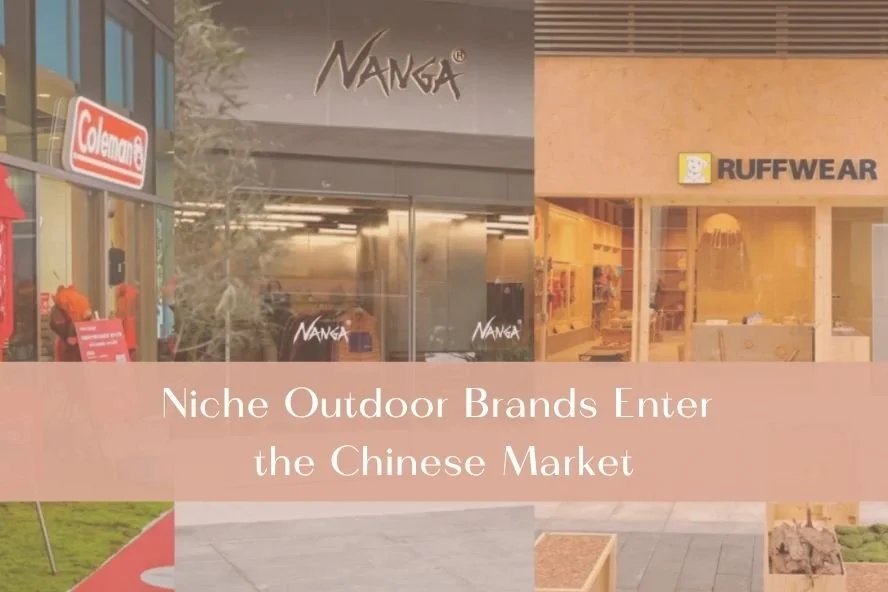
Niche Outdoor Brands Enter the Chinese Market
The definition of outdoor living is rapidly expanding, and international brands are eager to capture new consumer segments. Recently, three highly specialized outdoor lifestyle brands—Coleman (US), Ruffwear (US), and NANGA (Japan)—opened their first physical flagship stores in the country. Moving beyond general sporting goods, these brands cater to hyper-specific needs, from heritage camping lanterns to extreme down sleeping bags and professional-grade outdoor gear for pets. This article explores the rich histories of these brands, their strategic retail placements in Shanghai and Chengdu, and what their physical expansion reveals about the evolving demands of consumers in China.

Chinese Wechat Marketing Tips | Decoding WeChat's Latest Updates
WeChat is constantly evolving, and staying ahead of its subtle UI and functional changes is crucial for any brand operating in China. Recently, WeChat Official Accounts rolled out three major updates: a fresh aesthetic for account icons, a significant upgrade to its visual content feature (now called "Posts"), and a streamlined profile layout tabbed as "Works." This article breaks down these updates, explaining why they matter and how marketers can leverage the new algorithm boosts to maximize engagement and capture audience attention in a highly competitive digital landscape.
Decoding China's 2026 Entertainment Landscape: Five Winners and Four Trends
As we navigate through 2026, understanding the shifting dynamics of the Eastern digital ecosystem is no longer optional for global brands—it is imperative. Based on the latest comprehensive 2026 Goldman Sachs industry outlook, this post breaks down the core trends shaping China’s massive gaming and entertainment sectors. From the evolving dominance of ByteDance and the explosive growth of micro-dramas to the deeply integrated AI revolution and recovering offline fan economies, we explore what these shifts mean for international brands. Read on to discover the five major tech giants leading the charge and how to strategically align your Chinese marketing efforts for maximum impact.

Growth Hacking the East: How Carlyn Beat the Traffic Slump on Tmall
Entering the hyper-competitive China e-commerce market is notoriously difficult for overseas brands, especially as traffic dividends wane and price wars escalate. However, Korean bag brand Carlyn recently achieved the impossible during the Double 11 shopping festival on Tmall: they reduced their ad budget by 20% while increasing their GMV by 16%. This article dissects Carlyn's highly efficient growth curve. We explore the three critical "localization misalignments" every global brand must overcome and how leveraging predictive data models, platform incubation programs, and a nuanced understanding of Chinese social media can secure sustainable growth without bleeding capital.

Navigating Rednote's 2026 Rules for Virtual Products
A recent draft regulation from Rednote (Xiaohongshu) has sent shockwaves through the digital creator community. Imposing strict new thresholds for selling virtual products like e-courses and digital templates, many fear this lucrative sector is dead. However, this is a misinterpretation. Rednote isn't killing virtual products; it is actively purging low-quality, pirated content to protect its premium ecosystem. For overseas brands operating in Chinese social media, this shift marks a golden opportunity. By leveraging AI-driven original creation and pivoting from a "storefront" mentality to a robust "IP-driven" content strategy, international brands can dominate the next phase of digital commerce in China.
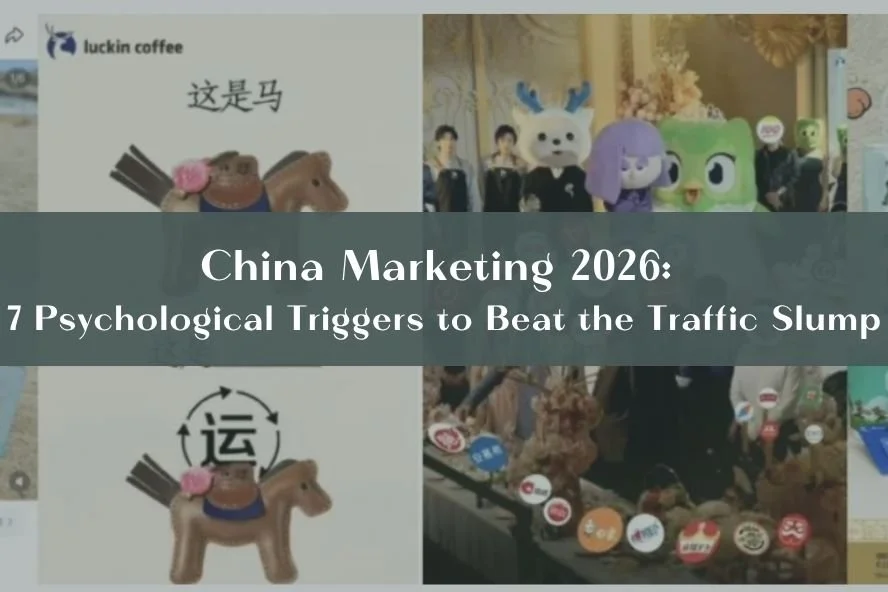
China Marketing 2026: 7 Psychological Triggers to Beat the Traffic Slump
As we navigate 2026, the era of easy traffic and blanket advertising in China is officially dead. With soaring acquisition costs and high ad-immunity, global brands can no longer rely on standardized templates. The new battleground is human psychology. This article decodes seven classic psychological effects—from the "Ingroup Bias" to the "Peak-End Rule"—demonstrating how top brands leverage these cognitive triggers to win hearts and wallets. For overseas brands entering Chinese social media, mastering these seven "human switches" is the definitive playbook for achieving sustainable growth in a post-traffic-dividend era.er viral, low-cost growth on Chinese social media.