

Our Animation Already Gets Views in China. Why Do We Need Chinese Social Media?
An international animation rights holder opens a China distribution report and sees encouraging viewing figures. The series is available, people are watching, and a local platform may be promoting it. So why invest in Chinese social media as well?
The short answer: Streaming makes the show watchable. An official Chinese social presence gives the IP a recognisable voice outside the episode page, a place for audiences to return, and a way to hear what they are saying about the characters and the world. It may also support future product and partnership conversations when the rights and commercial foundations are ready. It does not grant access to every viewer or guarantee a fanbase, sales or licensing deals.
Views tell you the show was watched. What happens next?
A viewing figure is valuable, but it usually describes activity on the distributor’s service. It does not by itself tell the IP owner whether viewers remember the official Chinese name, which characters they talk about, what questions families have, or where they will look for a new season. Nor does a streaming licence automatically create a rights-holder-managed social channel.
These are different jobs. Distribution gets the programme onto screens. Social media can help the property remain discoverable and in conversation between viewing sessions. The case is strongest when the show already has meaningful China traction, the rights holder can use approved assets, and there is a clear reason to maintain an official presence.
1. Listen to the conversation around the IP—not only the view count
Characters can take on a life beyond the episode. Audiences may use an unexpected Chinese nickname, discuss a particular relationship, recommend a learning moment, ask where to watch the next story, or wonder whether a product is authentic. Some of that conversation will occur whether or not the rights holder participates.
An official account creates additional places to see questions and comments, respond appropriately, and learn which parts of the property people actually care about. Bilibili describes comments, on-video “bullet chats,” follows and creator–fan interaction as part of its community; Douyin documents interaction data available to authorized accounts. These platform features support listening, but no account provides a complete or representative portrait of everyone who watched the series.
That distinction matters: the value is not “owning” the distributor’s audience data. It is hearing more of the public conversation and using it, alongside distribution reports and China audience research, to make better-informed decisions about the IP’s Chinese presentation.
2. Give viewers a way to interact with the world
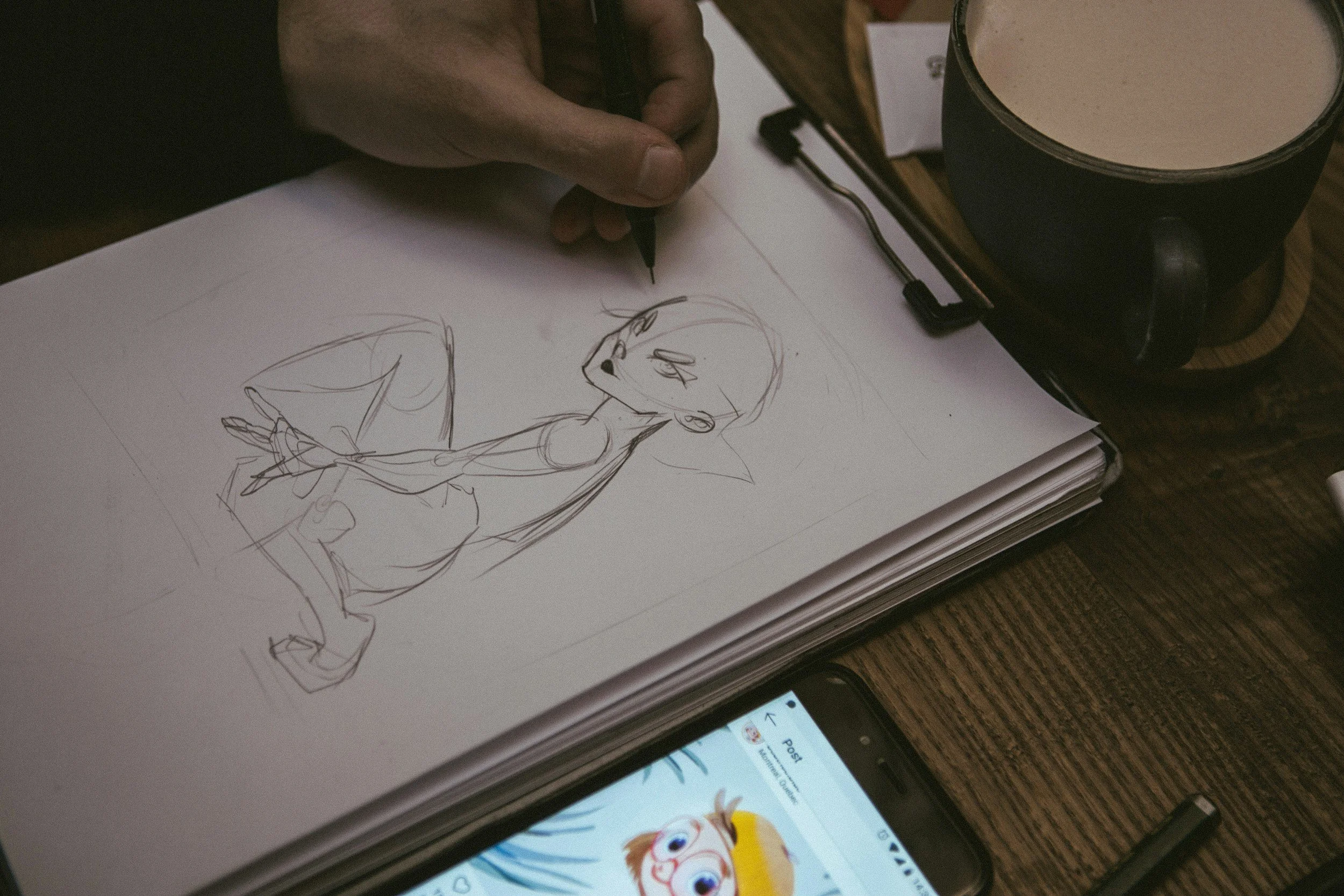
Character-led interactions can extend the experience beyond an episode. Photo: Mona Miller / Unsplash.
Watching an episode is one kind of connection. Asking a character a question, choosing a story path, sharing a favourite moment or taking part in a playful challenge is another. An official social channel can invite those small acts of participation and offer approved replies in the IP’s own voice.
The format should fit the property and its audience. A simple comment prompt or short character-led video may be enough. For a property with the creative resources and permissions, Bilibili’s interactive-video format can let viewers make choices within a story; Weixin Mini Games offer another kind of playable experience. Neither is a mandatory launch tactic.
For children’s animation, participation must be designed with particular care. The intended conversation may be with parents and adult fans, rather than inviting children into direct messages or collecting their information. China’s Personal Information Protection Law treats the personal information of children under 14 as sensitive and sets parental-consent requirements for its processing. Rights, moderation and age-appropriate design belong in any serious proposal.
3. Make the IP findable between releases
A distributor’s page is a natural place to watch. It may not be the place a family looks for the official Chinese character name, a new-season announcement, an approved activity or an answer about where to find an authentic product. If those questions have no reliable destination, the property can be well watched yet difficult to follow.
A maintained official account can provide continuity: a consistent Chinese identity, approved stories, timely updates and an accessible voice when relevant questions arise. It can also coordinate with the distributor’s promotional calendar without simply duplicating episode clips. The rights holder should first confirm what it may publish and who approves Chinese names, artwork, voices and excerpts. Lotus supports that foundation through official account setup, content localisation and ongoing social media management.
This does not mean opening every Chinese platform at once. The appropriate channels depend on who is actually engaging—parents, older animation fans, educators, collectors or a mix—and what the team can maintain credibly.
4. Keep a future route to merchandise open
For a character-led IP, the conversation may eventually include toys, books, experiences or other authorised products. An established social presence can help explain what is official and guide interested people toward a legitimate seller when one exists. In Weixin, Tencent describes links among Video Accounts, Mini Programs and Mini Shops that connect content with shopping journeys.
That is an option, not an automatic second phase or a reason to pressure fans to buy. Before promising a shop, the IP owner needs to examine product rights, licensing arrangements, seller eligibility, inventory, fulfilment, customer support and the suitability of commerce messaging for its audience. Social engagement alone is not evidence that merchandise will sell.
5. Help the right partners recognize the property
A prospective distributor, licensee, retailer or brand collaborator may look beyond an episode listing. An official Chinese presence can make it easier to identify the current property, see approved character positioning and understand the nature of audience engagement. It can give a qualified partner somewhere credible to begin—not replace commercial outreach or prove that a deal will happen.
This connection between fandom and commercial opportunity is visible in the wider animation industry. In announcing its Greater China licensing partnership, Aardman described a fan-focused approach linking content, products and experiences while seeking to strengthen existing partnerships and attract new licensees. An individual IP still needs its own rights, audience and partner assessment. For more on the distinction, see Lotus’s guide to Chinese social media and IP licensing demand and our partnership-development work.
What Chinese social media can—and cannot—add to a streaming success
It can add a recognisable official voice, more places to hear relevant public discussion, appropriate participation around characters, continuity between releases and a clearer destination for future partner or product enquiries.
It cannot identify every streaming viewer, make all fan activity representative, override a distribution or clip-rights agreement, guarantee account approval, or turn views into merchandise revenue or signed licences. A good plan begins by understanding which of these additional roles the property actually needs.
Frequently asked questions
If our international animation series is already streaming in China, do we need an official social account?
Not automatically. First establish what audience attention exists, whether the brand is findable under a consistent Chinese identity, what questions remain unanswered, and which rights and resources are available. If the show is watched but the rights holder has no dependable voice outside the player, an official presence may be a sensible next step.
Can we listen to Chinese audiences without opening an account?
Yes. Public search, comments and fan conversation can be researched before launching. An active official channel adds its own replies and interaction signals, but neither method gives a complete picture of the audience. See our guide to testing China demand for an animation IP.
Do we need an interactive video or game?
No. A creative interaction should serve the character and the audience, with the relevant production rights and safeguards in place. Useful questions, approved responses and engaging short-form content may be more appropriate than a complex build.
Will Chinese social media help us sell merchandise or find licensees?
It can help interested audiences and potential partners recognise the official property and find a suitable next step. Sales and partnerships depend on separate rights, product, operational and commercial decisions; social media alone does not create them.
A show people watch can also become a property they know how to follow
If your animation already has Chinese viewing traction, the next question is not whether to abandon distribution for social media. It is what happens around the viewing: who listens, who answers, how the characters remain present and where a genuine opportunity can go next.
Tell Lotus about your animation IP and its current China footprint. Our entertainment and IP team can help assess the audience conversation, the available rights and the level of Chinese social presence that makes sense for the property. We will not promise a particular follower count, sales figure or licensing outcome.
