

How Creator Marketing Made a Cat Water Fountain a Bestseller
Cat owners know that cats can hide discomfort for a long time. Low water intake is easy to overlook, even though it can create health concerns over time. This has opened a product opportunity around a simple question: how can a cat be encouraged to drink more water?
BISSELL's HydrateWell cat fountain is built around that everyday problem. The product generated more than 12,300 orders from September 8 to 14, with weekly GMV above 2 million dollars. More than 2 million dollars of that total came from video-driven sales, showing how strongly creator content influenced the purchase decision.

For international brands, the case is useful because the product did not begin with a broad lifestyle slogan. It started with a specific frustration that pet owners already understood.
Product Details Answer Multiple Frictions
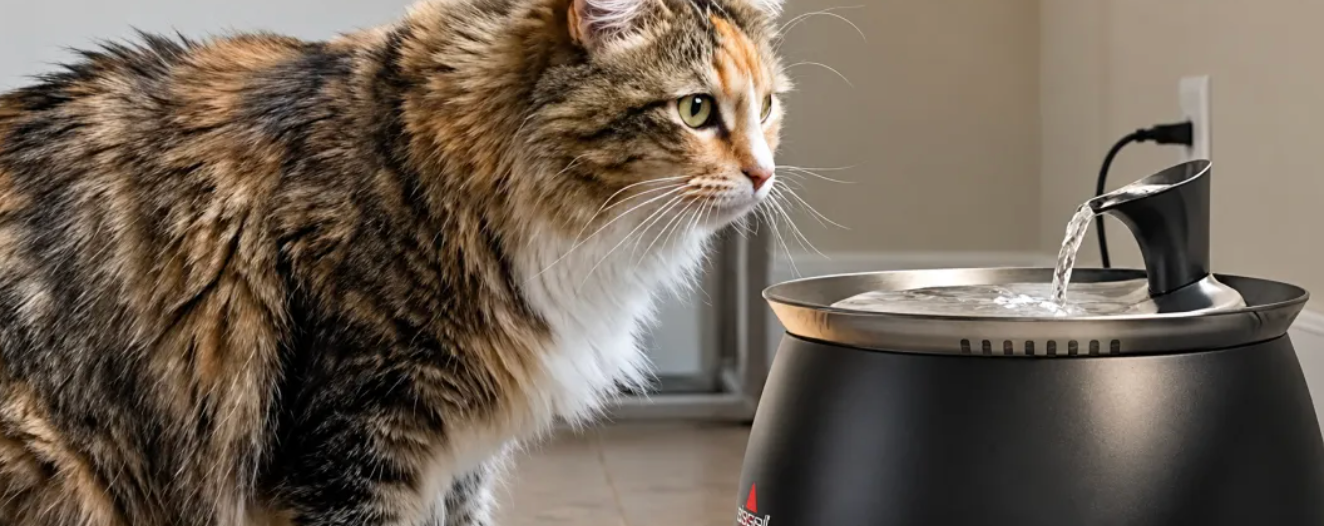
HydrateWell offers two water-flow modes, including a gentle bubble option and a waterfall option, because cats do not all respond to moving water in the same way. The fountain also uses five layers of filtration and a 2.7-liter capacity to keep water circulating and reduce the need for constant refilling.
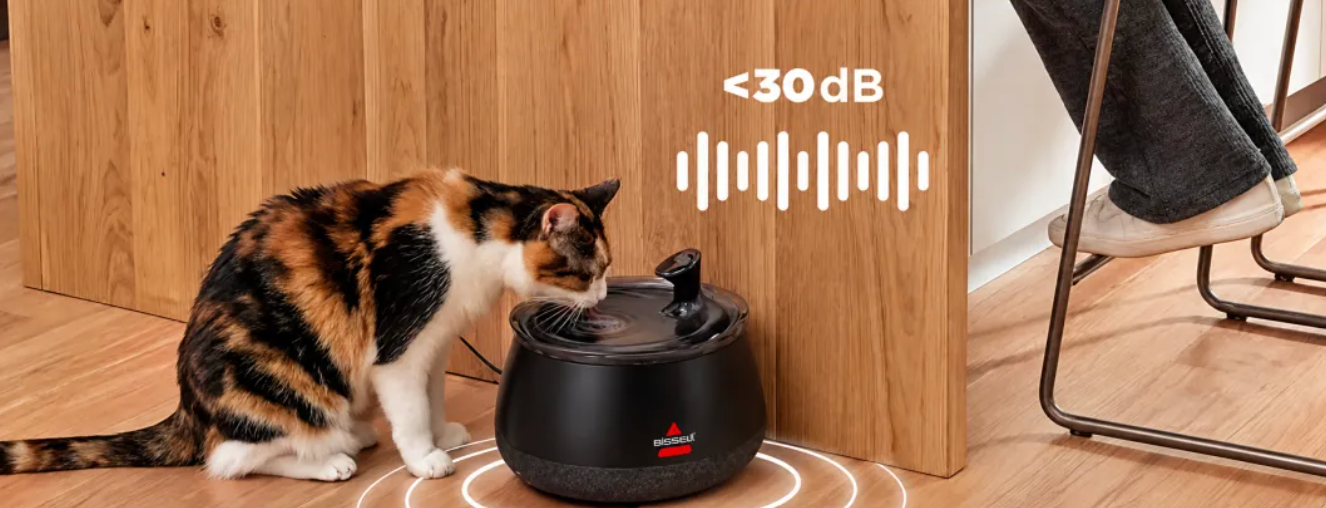
The product addresses another common concern with SlimeShield, which is designed to reduce the slippery buildup that can form in water bowls and internal water paths. The pump and internal structure are designed with fewer loose components and cables, making cleaning easier. Its operating noise is kept below 30 decibels so that the sound does not discourage the cat or annoy the owner.
These details matter because the purchase is not really about one feature. It is about a chain of small problems: will the cat drink, will the water stay clean, is the bowl difficult to wash, will the machine be noisy, and will the owner need to keep refilling it? Product design becomes more persuasive when it removes several frictions at once.

Different Creators Explain Different Reasons to Buy
BISSELL has a long history in household cleaning, but the campaign placed the product in real pet-owner routines rather than presenting it as a technical appliance. Different creators used different ways to explain the same product.
One lifestyle creator used a light multi-character skit. The video acted out common objections: a regular bowl should be enough, a fountain is too expensive, or a cat can drink less for a few days. The creator then introduced problems with an older fountain, such as slime buildup, low capacity and power issues, before presenting HydrateWell as a practical answer.
Another creator used a couple's conversation and a direct comparison. The wife described how a stainless-steel fountain became difficult to maintain, and the husband introduced HydrateWell's SlimeShield and longer fresh-water positioning. The product benefits appeared naturally inside a household discussion rather than as a list of specifications.
For brands working with creators, this is a key lesson. A creator's job is not to repeat every product detail in the same tone. The creator should translate the product into a format that matches their audience's normal viewing and buying behavior.
Why This Model Matters for International Brands
Many international brands have products that solve real but ordinary problems. The difficulty is that product pages often describe features before consumers feel the problem. Creator marketing can reverse that order. It can show the messy bowl, the noisy pump, the cat refusing to drink or the owner cleaning the machine after work. Once the audience recognizes the problem, the product feature has a reason to matter.
This model also works across markets, but it needs local adaptation. Creator selection, household behavior, pet culture, price expectations and platform language differ by country. A global brand should keep the product truth consistent while allowing local creators to choose the scene, humor, pacing and proof that feel natural to their audience.
For brands entering China, the same principle applies to Rednote, Wechat Video Channel and Chinese social commerce. Product education should be built around real scenarios, creator credibility and clear after-sales support. The best content does not feel like a brochure. It feels like a useful conversation that happens to reveal a product.
The Strategic Takeaway
BISSELL's HydrateWell case shows how a mature brand can enter a new category without losing its core strength. Household cleaning expertise becomes a way to solve a pet-care problem. The product is built around small frictions, and creators turn those frictions into stories that consumers can recognize.
International brands should look for the ordinary problems hiding inside their category. When a product can solve several of those problems and creators can demonstrate the improvement naturally, creator marketing becomes more than awareness. It becomes product education and conversion.
Interested in exploring bespoke marketing tips and localized strategies for the Chinese market? Feel free to reach out to us!
