

Why International Brands Are Now Making Mini-Dramas in China's Style
From Procter & Gamble to Google, Sony, and Fox, a growing number of international brands and entertainment companies have started treating vertical mini-dramas as a serious marketing channel in 2026 — not just entertainment content on the side. For any international brand watching the evolution of Chinese marketing, this shift is worth paying close attention to, because the model driving it didn't originate in Hollywood. It originated in China.

A recent in-depth report from Variety highlighted that, alongside AI, branded mini-dramas were one of the most discussed topics in advertising circles at this year's Cannes Lions festival. For anyone already familiar with China's domestic marketing scene, none of this is surprising — branded short dramas, custom scripted content, and narrative product placement have been a major direction in Chinese social media marketing for the past two years. What's new is that this Chinese-pioneered playbook is now heating up rapidly overseas. Short-form drama as an export is entering an entirely new phase.
Branded Mini-Dramas Are No Longer Just a Chinese Phenomenon
John Attard, co-founder of AI tooling startup Framewerx, says that nearly every client conversation he has these days touches on branded mini-dramas and how to weave products into ongoing storylines. Why has the advertising industry suddenly converged on this format? The answer isn't complicated. Over the past decade, brands have leaned heavily on short-form video platforms and influencer marketing, but as audience resistance to traditional ads has grown, ad performance has steadily declined. Compared to a thirty-second commercial, a continuously updating drama with real plot and stakes is far better at holding attention — and far more likely to be shared organically. As the report puts it plainly: people will always stop for a good story, even as they keep scrolling past ads designed to interrupt them.
Procter & Gamble Got There First
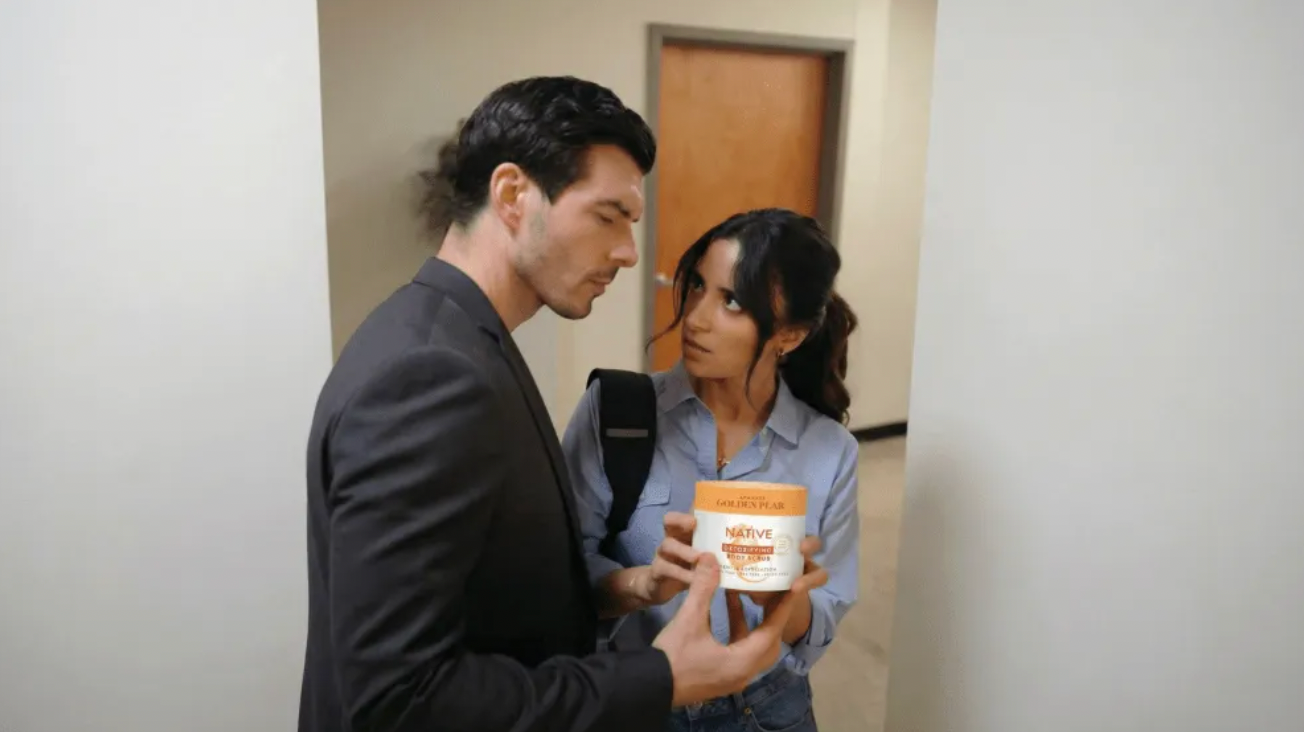
The most striking example in the report comes from Procter & Gamble. This year, P&G released a branded mini-drama called The Golden Pear Affair — 50 episodes, each under two minutes, totaling around 80 minutes of content. The plot blends romance and mystery: a small-town American waitress gets unexpectedly pulled into an international jewelry heist involving twin sisters, and falls into a romance with the Interpol agent investigating the case. But underneath the plot, it's also an 80-minute advertisement. Products from P&G's personal care brand Native appear consistently throughout — from signature scents to everyday usage moments — woven naturally into the story rather than forced in as obvious placements. One industry insider summed it up well: P&G essentially invented the soap opera decades ago, and now they've simply brought it into the mini-drama era. That's really the core idea behind branded short dramas — the brand isn't inserted into the plot; the brand becomes part of the plot.
Why International Brands Are Suddenly All In
Three forces are driving this shift. First, traditional ads are losing their grip on attention, especially with Gen Z audiences who've grown accustomed to scrolling through TikTok and Instagram Reels and have less patience than ever for conventional advertising. A story with real conflict, suspense, and ongoing episodes is simply better at keeping people watching — which is why more brands are shifting budget toward content rather than pure ad placement.
Second, branded mini-dramas are cheaper than most people assume. According to the report, a 60-episode drama with episodes around ninety seconds long typically costs between $100,000 and $300,000 to produce, topping out at roughly $350,000 even at the high end. For an international brand, that's often less than the cost of a single major commercial shoot — and nowhere close to the multi-million-dollar price tag of a Super Bowl ad. More importantly, that investment buys dozens of episodes of sustained exposure rather than a single moment of impact.
Third, younger audiences are increasingly allergic to "ads" but still hungry for "stories." Creative studio MDRN Logic notes that today's younger users are far more inclined to share plot moments, edit clips, and create fan content than to forward an advertisement. They're not rejecting brands themselves — they're rejecting content that announces itself as marketing the moment they see it. For brands, that means the more effective move isn't inserting an ad break; it's making the brand a character within the story itself.
Google, Fox, and NBC Are Joining Too
What makes this trend more significant is that branded mini-dramas are no longer just a consumer-brand experiment — the broader entertainment industry is betting on the format as well. Google has partnered with Range Media Partners on branded mini-drama projects aimed at reaching younger audiences through vertical content. NBCUniversal's Peacock has begun bringing in content from ReelShort and launched its own original vertical reality-format dramas. Fox Entertainment has partnered with well-known creator Dhar Mann on a planned slate of 40 original vertical series.
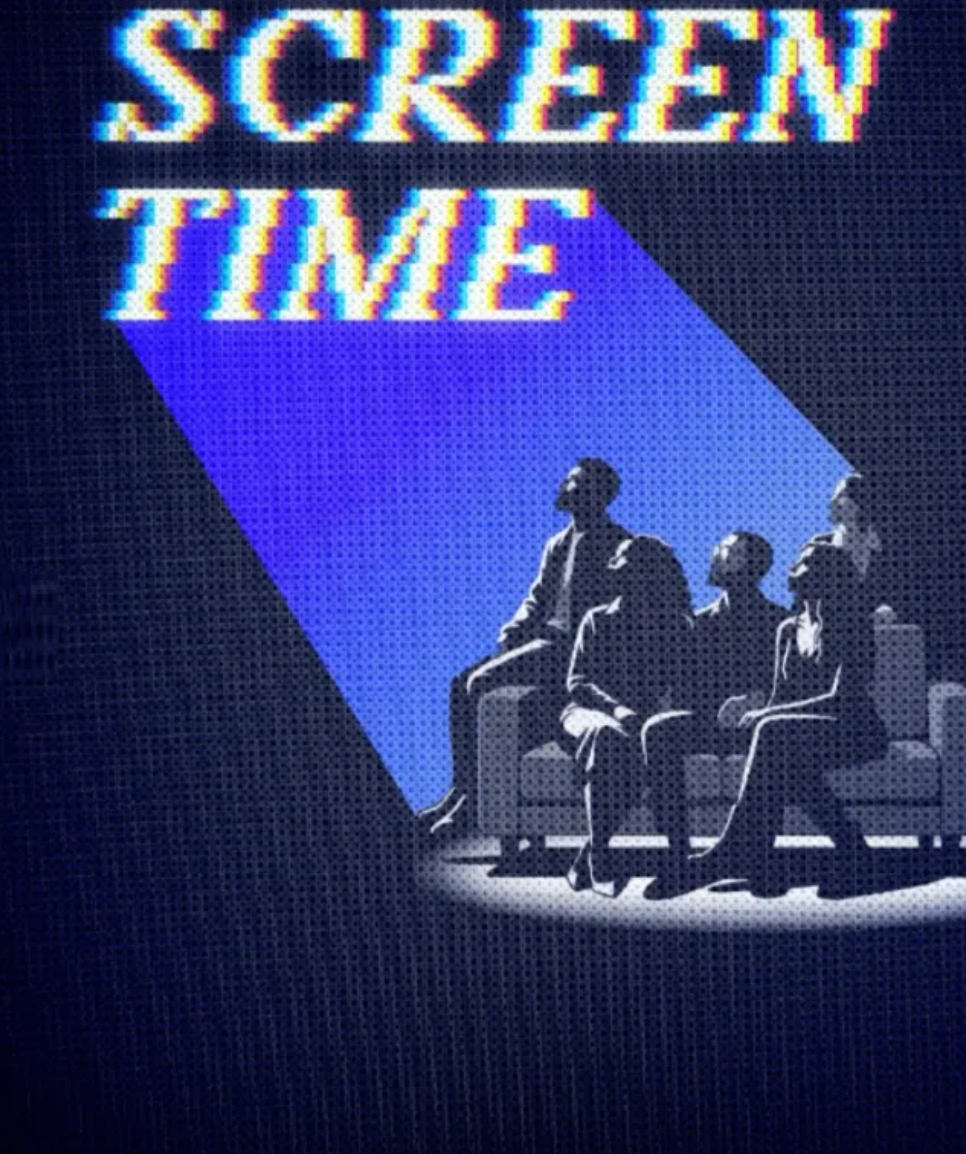
Creators are leaning in too. Issa Rae, known for Insecure, launched a mini-drama called Screen Time that drew nearly 75 million views in its first week. Sony built a narrative mini-drama tied to the game MLB The Show 26, which ultimately reached around 20 million views. Taken together, these examples suggest mini-dramas are evolving from a content category into genuine infrastructure for brand marketing.
From Exporting Content to Exporting a Business Model
Over the past year, most of the conversation has centered on how Chinese short dramas are expanding overseas — the rapid growth of platforms like ReelShort and DramaBox, and Chinese production teams, writers, and ad-buying expertise moving into international markets. At its core, that's been an export of content.
What's happening now is different. International brands are studying the Chinese branded mini-drama playbook directly — how to write a brand into a storyline, how to replace advertising with continuous narrative, and how to guide viewers from engagement to brand awareness and eventually purchase, all within the arc of a story they're already invested in. None of this is unfamiliar territory for the Chinese marketing industry, which has spent years building real experience in custom branded dramas and narrative product placement.
The fact that P&G, Google, and Sony are now adopting this approach signals something bigger: a business model that's already been proven in the Chinese market is now gaining recognition across the global advertising industry. If the last two years were about exporting Chinese short-drama content, the next few years may be about exporting something more valuable — the underlying business model and marketing methodology itself. Seen this way, the rise of branded mini-dramas overseas isn't just a new marketing trend. It may well be the next major opportunity for China's short-drama industry on the global stage.
Interested in exploring bespoke marketing tips and localized strategies for the Chinese market? Feel free to reach out to us!
