

Top 10 Marketing Strategies in China for 2026 (Part 2)
This article presents five additional marketing strategies shaping consumer expectations in China and offering guidance for brands planning for 2026. Key trends include imperfect mascots that feel human, comment-driven co-creation that turns audiences into collaborators, and brand messaging focused on stability and reassurance in uncertain times. It also highlights the rise of non-standardized problem-solving content and low-key authority building through everyday integration rather than loud promotion. Together, these approaches show a shift from attention-seeking to emotional understanding. Brands that listen closely, respond quickly, and embed themselves naturally in daily life are better positioned to earn trust and loyalty in China.
In Part 1, we explored how human-centric branding and absurdist creativity are reshaping brand communication in China. In this article, we continue with five additional strategic directions that are defining consumer expectations and engagement in 2025, and brands can learn from them for 2026.
1. Imperfect Mascot Strategy
Core Insight:Imperfection makes brands feel more approachable. Instead of flawless, overly cute mascots, Chinese consumers increasingly connect with characters that feel clumsy, imperfect, and human. These traits reduce perceived authority and increase emotional proximity.
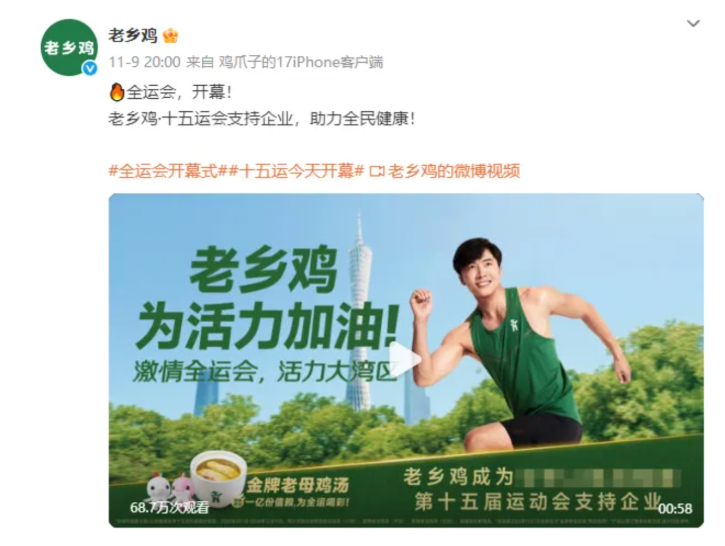
Case in Point:The mascot of the 15th National Games, “Da Wan Ji,” gained massive attention due to its rounded appearance and lively offline interactions. Originally designed as a formal event symbol, it evolved into a highly relatable cultural icon, attracting numerous brand collaborations.
2. Comment-Driven Co-Creation
Core Insight:Brands are no longer just broadcasters—they are participants in ongoing conversations. Younger consumers frequently leave requests, ideas, or feedback in comment sections, expecting brands to respond and co-create solutions.
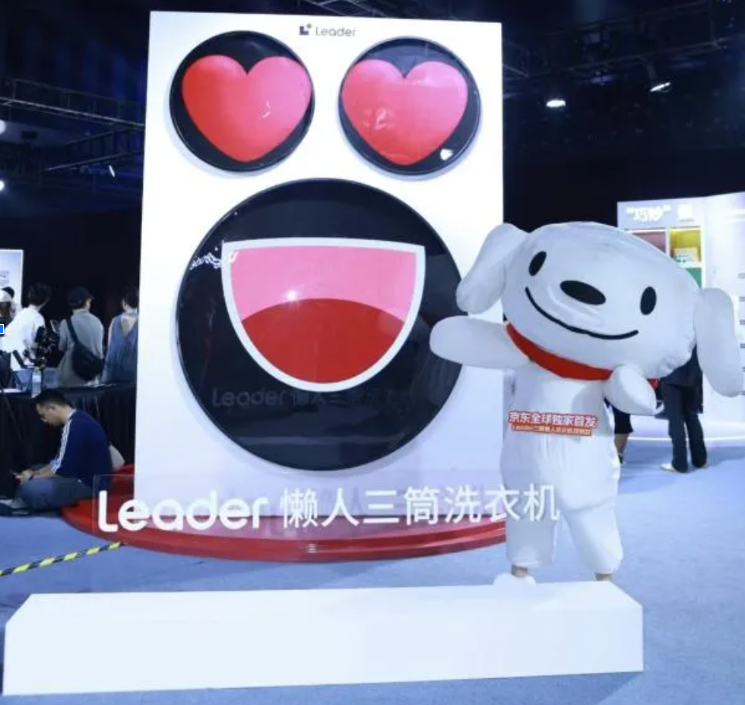
Case in Point:Haier responded to a humorous user suggestion about washing shoes and socks in one machine by quickly developing a product concept. This responsiveness significantly strengthened consumer trust and long-term loyalty.
3. Delivering a Sense of Stability
Core Insight:In an environment defined by rapid change, consumers seek emotional reassurance. Brands that emphasize reliability, durability, and performance under pressure offer users a sense of control and psychological comfort.
Case in Point:Huawei’s Mate series consistently demonstrates product stability in extreme conditions, translating technical capability into emotional reassurance. The brand is not just selling devices, but confidence in unpredictable situations.
4. Non-Standardized Problem-Solving Content
Core Insight:Audiences are increasingly drawn to unconventional but practical solutions. Content that challenges standardized advice—while addressing real-life problems—often achieves stronger engagement.
Case in Point:OnePlus created productivity-focused content for working professionals, offering alternative approaches to managing fragmented time and daily tasks. Rather than highlighting specifications, the brand built relevance through empathy and usefulness.
5. Low-Key Authority Building
Core Insight:Professional credibility is increasingly built through evidence, not slogans. Instead of overt self-promotion, brands demonstrate influence by showing how deeply integrated they already are in consumers’ daily lives.
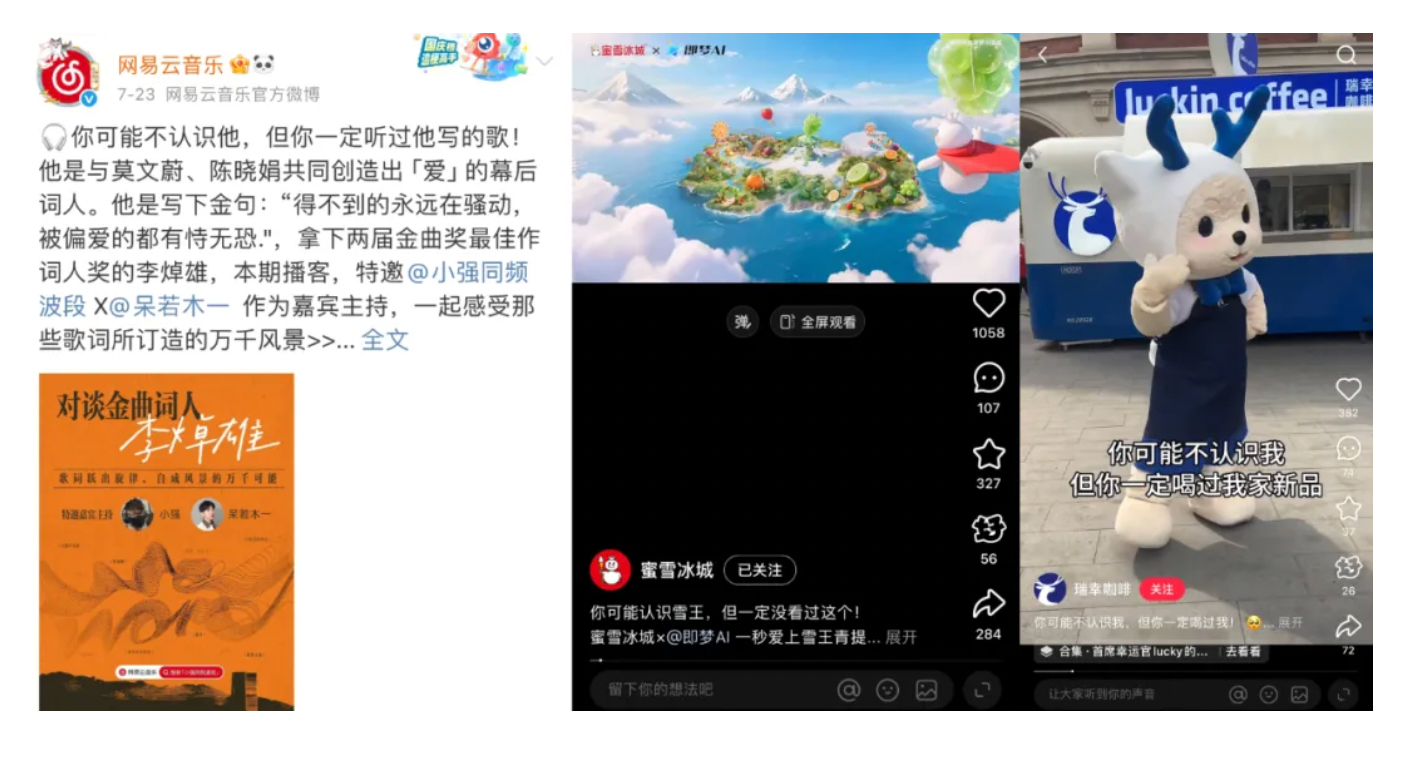
Case in Point:Brands such as NetEase Cloud Music and Luckin Coffee adopt understated narratives: consumers may not actively think about the brand, but they interact with its products and services regularly. This subtle approach often earns greater respect and trust.
Conclusion
In 2025, marketing in China is shifting from a competition for attention to a competition for emotional understanding.The most effective brands are those that sense consumer needs before they are explicitly articulated—and respond with clarity, empathy, and relevance.
If you are looking to apply these insights into actionable strategies for the Chinese market, our local creative teams and media resources are ready to help you identify the most effective entry points in an increasingly complex landscape.
