

Top 10 Marketing Strategies in China for 2026 (Part 1)
In China’s fast-evolving consumer market, marketing trends are no longer just about formats or platforms. They reflect deeper shifts in consumer emotions, social values, and collective psychology.
For international brands looking to enter or scale in China, understanding these trends is not optional—it is the foundation for building relevance, trust, and long-term growth.
Below are the five most important marketing strategy directions to watch in 2025.
1. Human-Centric Brand Expression
Core Insight:Authenticity has become a brand’s most valuable asset. As over-polished visuals lose their impact, Chinese consumers increasingly favor brands that feel emotionally real—brands that show personality, vulnerability, and everyday life.
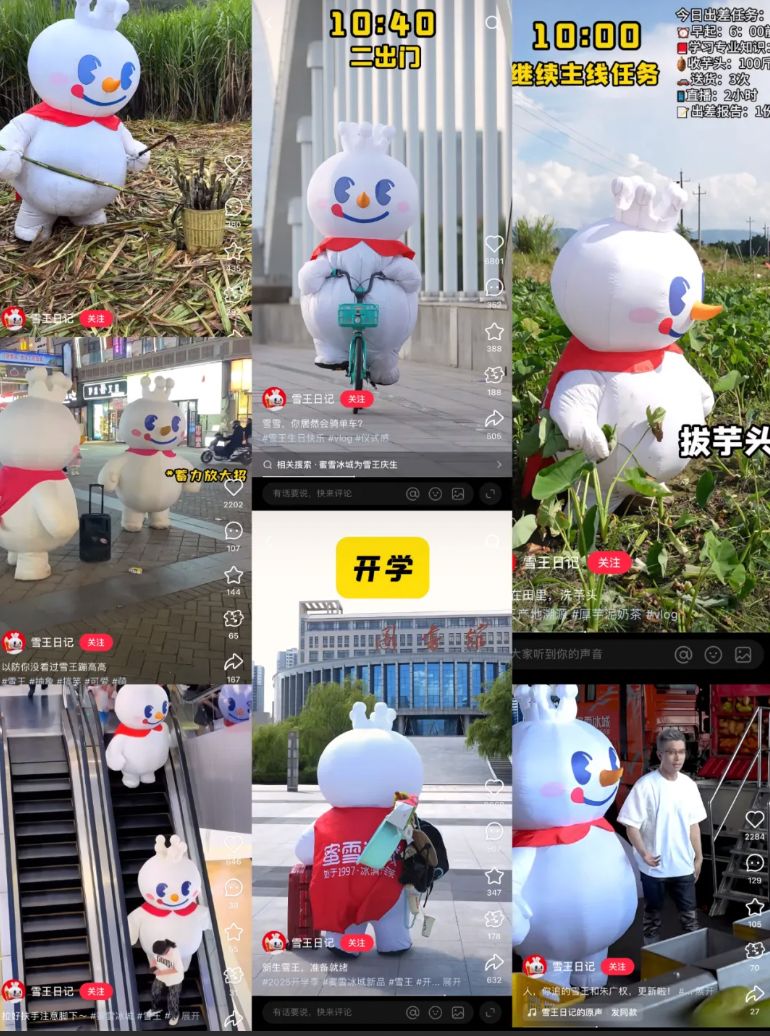
Case in Point:Mixue Ice Cream’s mascot, Snow King, is portrayed as an ordinary working individual—commuting, feeling tired, reacting to daily moments. This humanized narrative reduces commercial distance and makes the brand feel more like a conversational partner than a seller.
2. Emotional Value Through Merchandise
Core Insight:For Gen Z consumers, products are no longer just functional items—they are emotional symbols. Merchandise rooted in anime, gaming, and pop culture allows consumers to express identity and belonging.
Case in Point:Watsons’ collaboration with the game Wuthering Waves went beyond limited-edition products. By creating immersive offline pop-up spaces, the brand positioned itself inside a fandom ecosystem, transforming retail into a shared cultural experience.

3. The “Basic + Contrast” Communication Formula
Core Insight:Simple language combined with a clear contrast point helps lower cognitive barriers. This structure is particularly effective in explaining technical or functional advantages.
Case in Point:HONOR smartphones used messaging that framed the environment as “ordinary” while highlighting exceptional battery performance in low temperatures. The contrast made a complex technical benefit easy to grasp for non-technical users.
4. Regional Culture Co-Creation
Core Insight:Local culture has shifted from decorative storytelling to a collaborative content source. When regional events, dialects, or humor gain traction online, brands that participate authentically can quickly build emotional connections.
Case in Point:Platforms such as Taobao and Alipay actively engage with regional sports events and local cultural narratives, repositioning themselves from national platforms to familiar, community-level brands.
5. Humor-Led, Absurdist Creativity
Core Insight:In a high-pressure social environment, consumers are less receptive to serious, instructional advertising. Light-hearted, unexpected, and even absurd creative ideas now perform better by offering emotional relief.
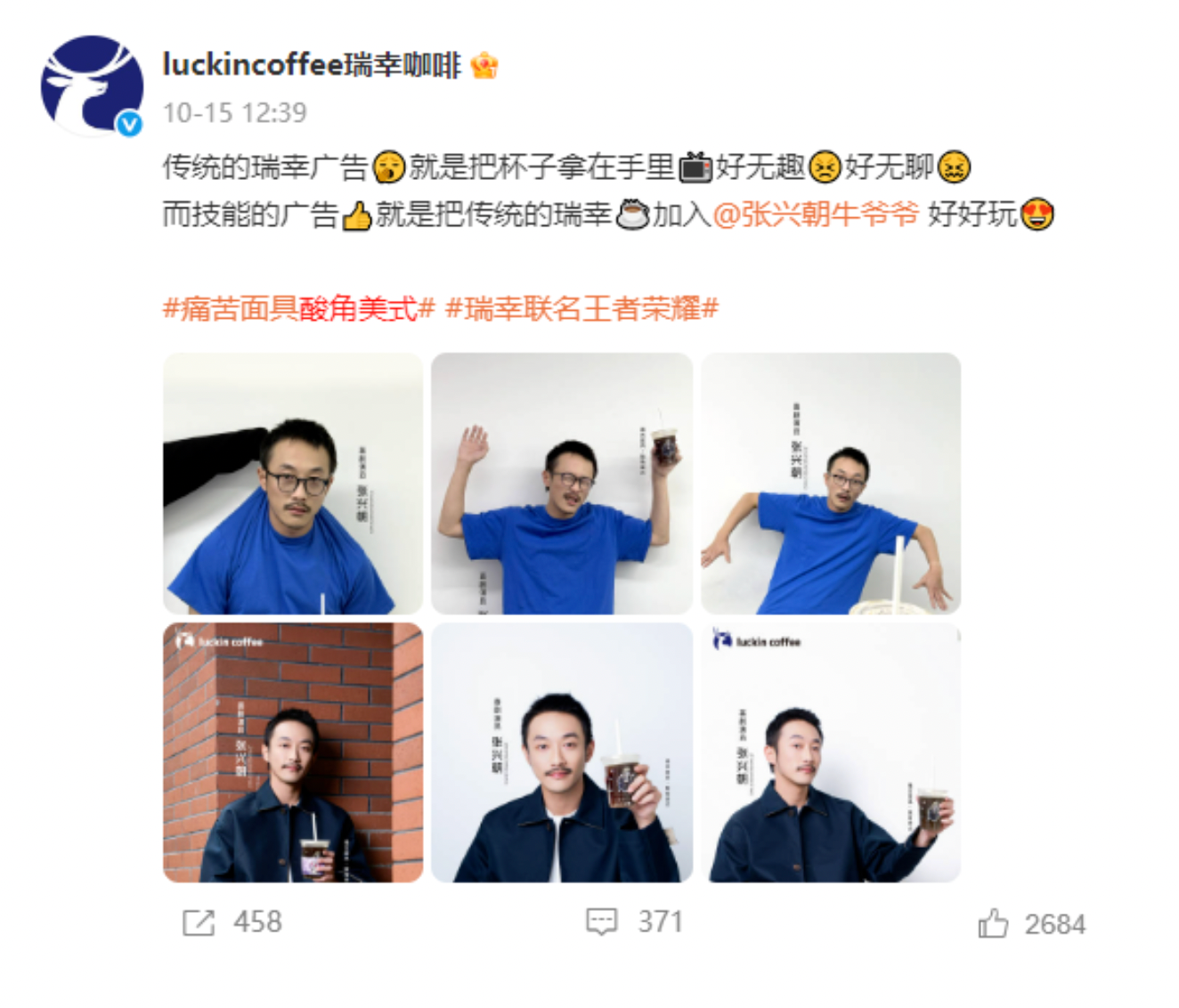
Case in Point:Luckin Coffee partnered with comedians to produce intentionally unexpected advertising campaigns. The result was higher completion rates and a stronger perception of the brand as youthful and approachable.
Marketing in China is shifting from a battle for attention to a competition for emotional resonance.In Part 2, we will explore the remaining five strategic trends shaping brand communication in 2025—and how international brands can translate these insights into actionable market strategies.
If you are looking to apply these insights into actionable strategies for the Chinese market, our local creative teams and media resources are ready to help you identify the most effective entry points in an increasingly complex landscape.
Continue with Top 10 Marketing Strategies in China for 2026 (Part 2).
Explore China social media management.
Contact Lotus to prioritize the right strategies for your brand.
