

China Marketing Insights for International Brands
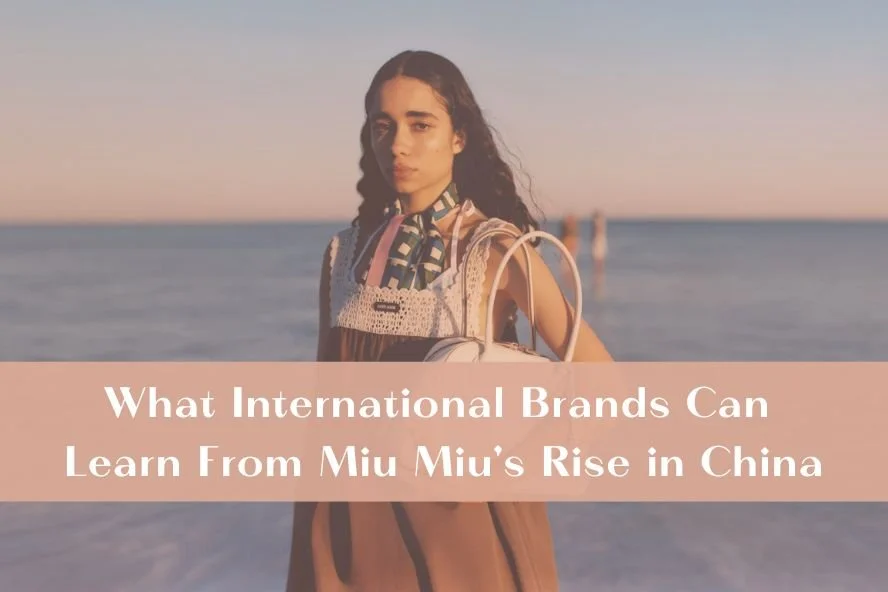
What International Brands Can Learn From Miu Miu's Rise in China
While the global luxury industry loses customers, Miu Miu has nearly doubled in size, becoming one of fashion's biggest success stories. This piece breaks down how the brand used contradiction-driven aesthetics, a multi-ambassador strategy, and cultural depth to win over Gen Z consumers in China and beyond — and what international brands can learn from its approach to scarcity, identity, and social media-driven growth.
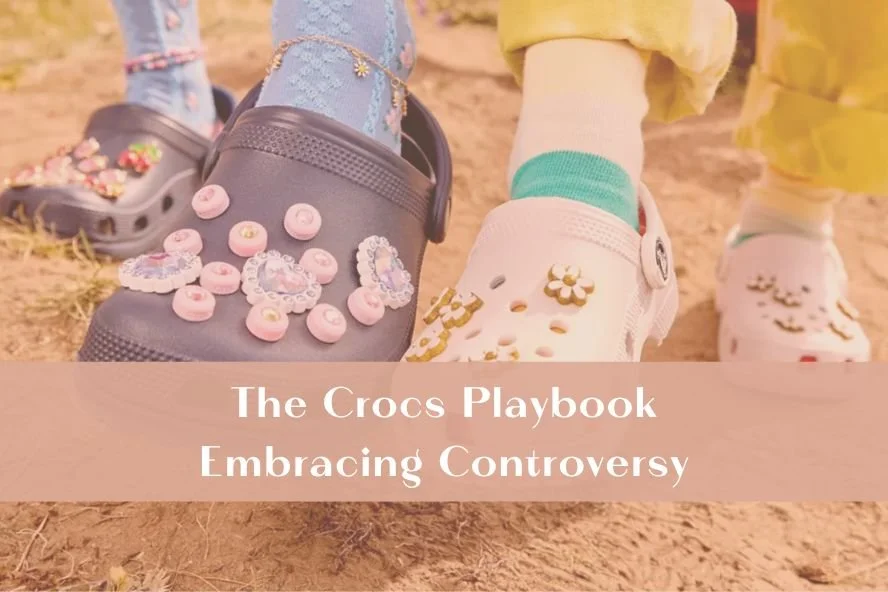
The Crocs Playbook: Embracing Controversy
Crocs was once voted one of the worst inventions of all time. Today, it generates over $3.2 billion in annual revenue, commands a cult following among Gen Z globally, and has become one of the most-discussed fashion brands on Chinese social media. The turnaround wasn't driven by making the product more conventional — it was driven by leaning harder into everything that made it strange. This post unpacks the brand strategy behind Crocs' remarkable revival, and distills what international brands can apply to their own Chinese marketing and global positioning.

How Global Jewelry Brands Win in China
China's appetite for gold jewelry is reshaping the strategies of some of the world's most prestigious luxury brands. From Hermès quietly shifting its product mix to over two-thirds gold, to Tiffany cutting back on silver and doubling down on fine jewelry — the shift is unmistakable. But adapting to China's gold obsession isn't just about changing materials. It's about storytelling: Italian goldsmithing heritage, the creative versatility of karat gold, bold material innovation, and culturally resonant symbolism. This post explores how top international jewelry brands are rethinking their approach to Chinese marketing — and what others can learn from it.
From "Just Do It" to "Unbridled": How Nike Rooted Its Global Identity in the Chinese New Year
How does a global giant like Nike maintain its brand soul while deeply resonating with local festivities? This case study deconstructs Nike’s 2026 Chinese New Year campaign for the Year of the Horse. By translating its iconic "Just Do It" philosophy into the culturally rich concept of "Tuojiang" (Unbridled/Breaking Free), Nike bypassed superficial zodiac symbols to engage with the deep-seated emotional aspirations of Chinese youth. This post explores the strategic shift from symbolic borrowing to spiritual interpretation, offering a roadmap for any international brand seeking to master Chinese marketing and build lasting emotional equity on Chinese social media.

Rednote's 2026 Spring Fashion Guide: Selling the Scenario
Rednote has just released its 2026 Spring Fashion Guide, revealing a massive shift in how Gen Z and Millennial women shop. Gone are the days of generic "spring outfit" searches. Today’s consumers demand highly specific, scenario-based solutions, such as "What to wear to a May Day concert." This article decodes the six core lifestyle scenarios driving apparel sales in China, explores actionable category trends, and breaks down the divergent strategies for brand-building versus direct-conversion. For global fashion and lifestyle brands, mastering this "scenario-driven" approach is the ultimate key to unlocking growth on Chinese social media.
How Adidas Mastered the "Life Dialogue" to Reclaim China
Adidas’ impressive "V-shaped" recovery in Greater China, marked by nine consecutive quarters of growth, stems from a fundamental shift: moving from a "broadcasting" model to a "life dialogue." By leveraging Rednote as a cultural laboratory, Adidas has successfully localized its global heritage. From capturing the "pet economy" with dog tracksuits to empowering 1,000 "Clover Girls" to define the Samba trend, the brand has placed the power of storytelling back into the hands of the community. This synergy of localized innovation and deep lifestyle integration proves that in the modern market, authenticity is the ultimate engine for sustained growth.

2025 Strategy: How Global Fashion Brands Enter China Market
Navigating Rednote’s rules can be challenging, especially for foreign brands unfamiliar with Chinese social media regulations. There are different types of reasons why rednote bans your content or account!

How Fashion Brands Can Leverage Xiaohongshu in 2025
"Precise" users on Xiaohongshu(little redbook)bring substantial purchasing power. Their authentic, diverse, and avant-garde discovery culture has made Xiaohongshu the go-to platform for fashion trendsetting, which directly complements the interests of luxury brands.

Vuori Takes on the Chinese Market with Men's Yoga Apparel
The Vuori brand is driven by a mission to infuse sports with lifestyle inspiration and create exceptional products that seamlessly blend sports into everyday life. Today, we explore how the "men's version of lululemon" has risen and entered the Chinese market.

BY FAR-From Chinese Social Media Stardom to Sustaining Its Presence
Overseas niche design brands are witnessing a dawn in the Chinese market. They have either gained favor with Chinese investors, established independent offline stores, or are highly active on local Chinese social media platforms. Today, let's explore the growth journey of BY FAR, from momentary stardom to its current status in the Chinese market.

Santa Maria Novella's Perfume Odyssey in the Chinese Market
The history of Santa Maria Novella can be traced back to 1221 when it was originally a monastery for monks, now considered the world's oldest pharmacy. Today, Santa Maria Novella is celebrated worldwide for its perfumes, scented candles, and other products. Now, let's explore Santa Maria Novella's journey of "venturing" into China.

Lululemon's High-End Market Approach and Its Success in China
Unlike most retail brands, Lululemon did not rush to open physical stores in China. Instead, they adopted a unique strategy! Let's delve into and see why do yoga pants with such high price tags sell exceptionally well in China?