

Rednote's 2026 Spring Fashion Guide: Selling the Scenario
As the frost thaws and spring breathes new life into the retail landscape, fashion brands are gearing up for the critical seasonal transition. In the fast-paced ecosystem of Chinese marketing, the arrival of spring is not merely a change in temperature; it is a massive behavioral shift. Rednote, the undisputed epicenter of lifestyle and fashion discovery in the East, has recently published its comprehensive 2026 Spring Women's Apparel Marketing Guide. For overseas brands—whether in fashion, beauty, or lifestyle—this guide offers an indispensable roadmap. It reveals that the traditional methods of showcasing a seasonal collection are obsolete. Success today requires a deep understanding of user psychology, search intent, and the art of contextual storytelling.
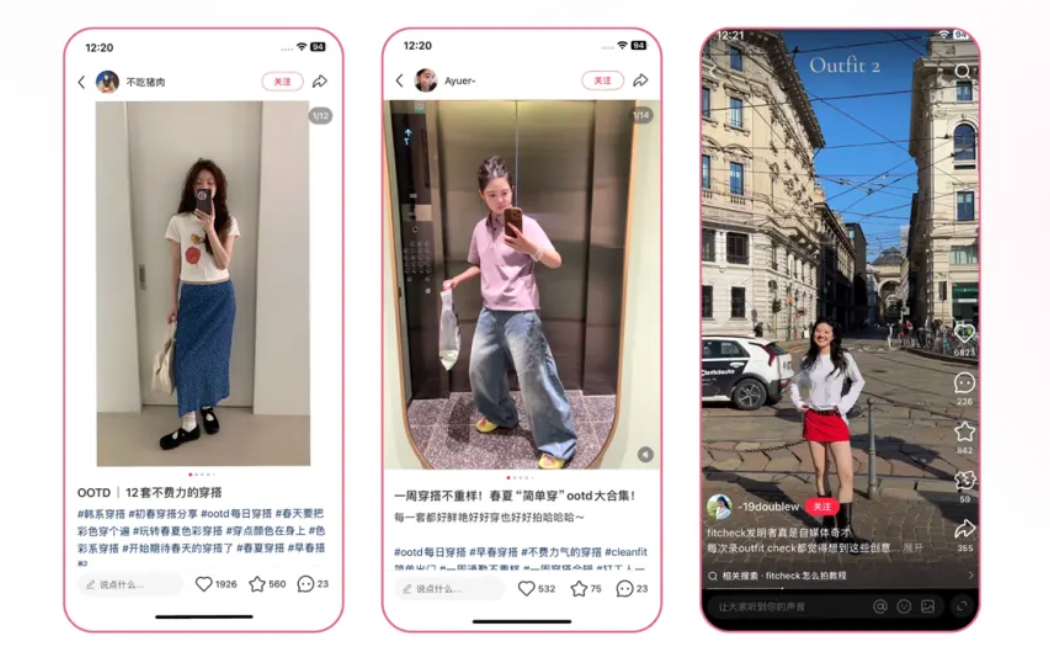
The End of Generic Search: A Shift in Consumer Intent
The most profound insight from the 2026 guide is the dramatic evolution of the consumer decision journey. Users on Rednote are no longer typing generic, broad keywords like "Spring Fashion" or "New Dresses" into the search bar. Instead, the platform functions as a highly specific lifestyle search engine. Consumers are asking precise, localized questions: "What is the best outfit for a May Day travel getaway?" or "How do I style the 'Oxygen Girl' aesthetic for a weekend brunch?"
This migration of the "decision starting point" indicates that users are actively seeking complete solutions for specific moments in their lives, rather than just browsing isolated items. They are looking for genuine feedback, peer reviews, and styling advice that solves a tangible problem. Consequently, the "scenario" has become the ultimate anchor connecting a user's desire to a brand's product. Authentic, useful content that contextualizes a product is now the primary engine for conversion.
Decoding the Six Core Lifestyle Scenarios
To capitalize on this shift, Rednote has identified six definitive macro-scenarios that will dominate spring 2026. Global brands must map their product lines against these highly searchable lifestyle moments to capture high-intent traffic.
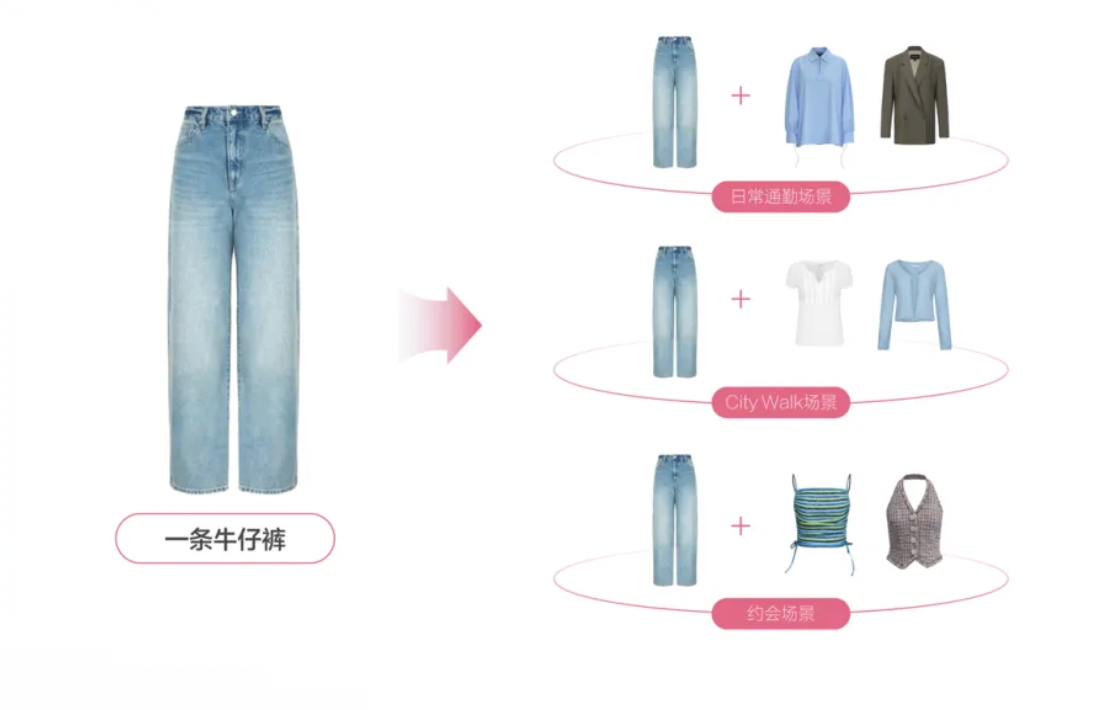
The first is the Workplace Commute. Modern professionals demand versatility. They are searching for "casual, easy-to-match" solutions that seamlessly transition from the boardroom to the subway, and finally to an after-work dinner. The second scenario is City Roaming (CityWalk). Here, the focus shifts to a blend of comfort and photogenic appeal. Users walking through urban landscapes or local parks heavily favor "light retro" aesthetics and niche, relaxed styles that look effortless on camera.
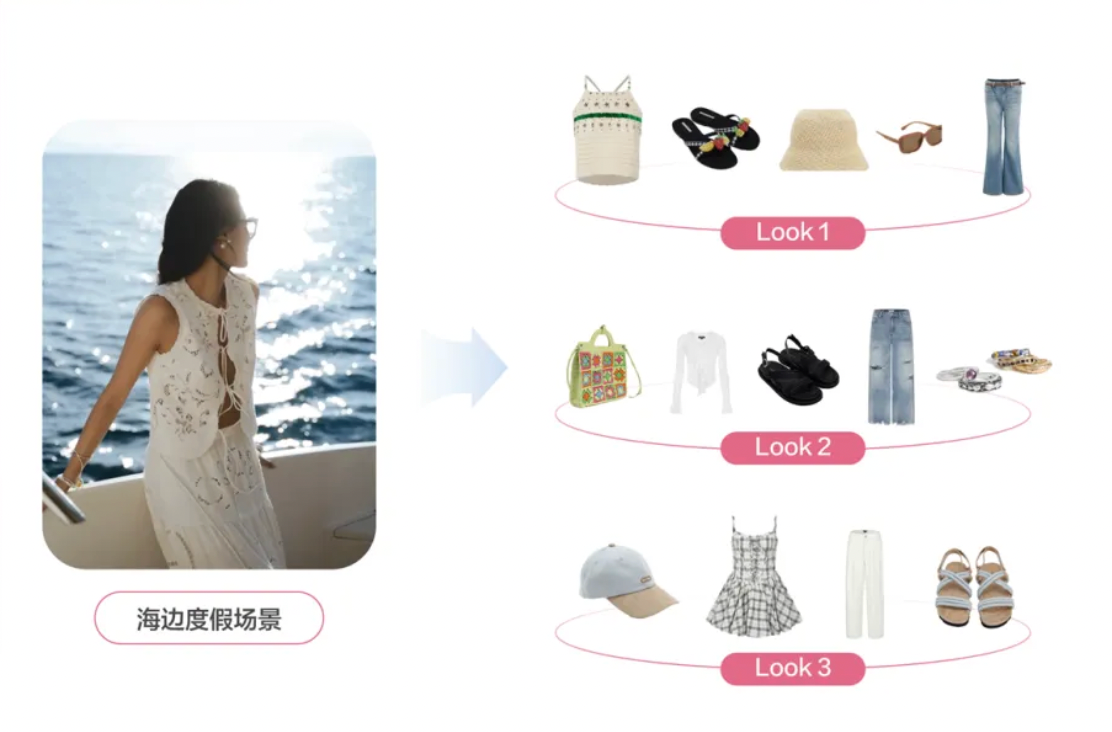
The third scenario, Dating and Socializing, is driven by the desire to leave a lasting impression. Consumers preparing for intimate dates or gatherings with friends lean heavily toward "gentle" and "Korean-inspired" aesthetics, utilizing clothing to project a warm, approachable aura. The fourth and fifth scenarios revolve around Escapism: Beach Holidays and Long Vacations. For island getaways, the demand is for vibrant, passionate styles, whereas urban coastal walks call for elegant practicality. During major national holidays like May Day, the search intent spikes for outfits that project "relaxation" and "radiance."
Finally, the sixth scenario focuses on Life Ceremonies. Whether it is attending a highly anticipated pop concert (requiring a "sweet and edgy" look) or celebrating a graduation, apparel becomes a carrier of memory. In these high-emotion moments, users want to be the main character in their own cinematic life story.
Strategic Category Insights: From Function to Emotion
Aligning products with these scenarios requires an understanding of how specific categories perform within them. For instance, dresses are heavily driven by the "Ceremony" and "Dating" scenarios, where unique tailoring and silhouettes are the primary search triggers. Conversely, knitwear and t-shirts are highly competitive categories evaluated on their functional versatility—consumers want to know exactly how to layer them.
Outerwear, such as short jackets and shirts, requires styling education. Users are actively searching for "how to match" jackets, while prioritizing novel materials in shirts. In the footwear category, the search intent is ruthlessly practical yet style-conscious. Loafers are searched for their breathability and color options, beach shoes for their personality, and casual sneakers for their ability to visually enhance body proportions. The golden triangle for growth in 2026 is the seamless integration of "Scenario-Driven Context + Functional Refinement + Style Expression."
The Dual Playbook: Brand Builders vs. Direct Sellers
Understanding the scenarios is only half the battle; executing the right distribution strategy is where campaigns succeed or fail. Rednote offers a holistic "Selection-Seeding-Conversion" loop, but it advises brands to choose their path based on their operational model.
For large-scale, omnichannel enterprises (Brand Builders), the strategy should be "People-Centric." These brands should focus on maximizing full-funnel user value to drive sales across all channels (both online and offline). Their content strategy should involve taking a "Standardized Hero Product" and placing it into multiple diverse scenarios to cast the widest possible net and build massive brand equity.
On the other hand, for Direct-to-Consumer brands operating stores directly within the app (Closed-Loop Sellers), the strategy must be "Goods-Centric." These merchants need to focus on precise product testing and high-trust content for immediate monetization. For "Non-Standardized Goods" (like highly unique fashion pieces), the winning tactic is to anchor the product to one extremely specific target scenario. By creating comprehensive, head-to-toe "Lookbooks" that address niche preferences, these brands can monopolize a specific aesthetic and drive instant, impulse purchases within the app.
Ultimately, the spring 2026 season on Rednote is not about who has the most beautiful clothing; it is about who can tell the most compelling story about where that clothing will be worn. For global brands aiming to dominate China, adapting to this hyper-contextual, scenario-first marketing philosophy is the definitive path to winning the hearts, minds, and wallets of the modern Chinese consumer.
Interested in exploring bespoke marketing tips and localized strategies for the Chinese market? Feel free to reach out to us!
