

China Marketing 2026: 7 Psychological Triggers to Beat the Traffic Slump
As the calendar turns to 2026, a harsh consensus has formed across the Chinese marketing landscape: the era of extensive, brute-force traffic operations is over. Brands are caught between a highly fragmented, exhausted audience and an ever-rising "ad immunity threshold." The old playbook of standard media buying and templated storytelling simply doesn't convert anymore.
However, within this shifting landscape lies a deeper, more resilient strategy. The most successful campaigns in recent years—such as Nike capturing the deep cultural nostalgia of Cantonese wet markets—prove that success is no longer about buying eyeballs; it’s about touching the soul. Marketing, at its core, is the study of human nature. In an era of uncertainty, brands must rely on the certainty of human psychology. Here is how you can activate the seven fundamental psychological switches to drive growth in the Eastern market.
1. The Ingroup Bias: Belonging Over Broadcasting
Keywords: Subculture, Identity, Belonging The "Ingroup Bias" dictates that we favor and trust those who share our interests, identities, or subcultures. We drop our defenses around "our own people."
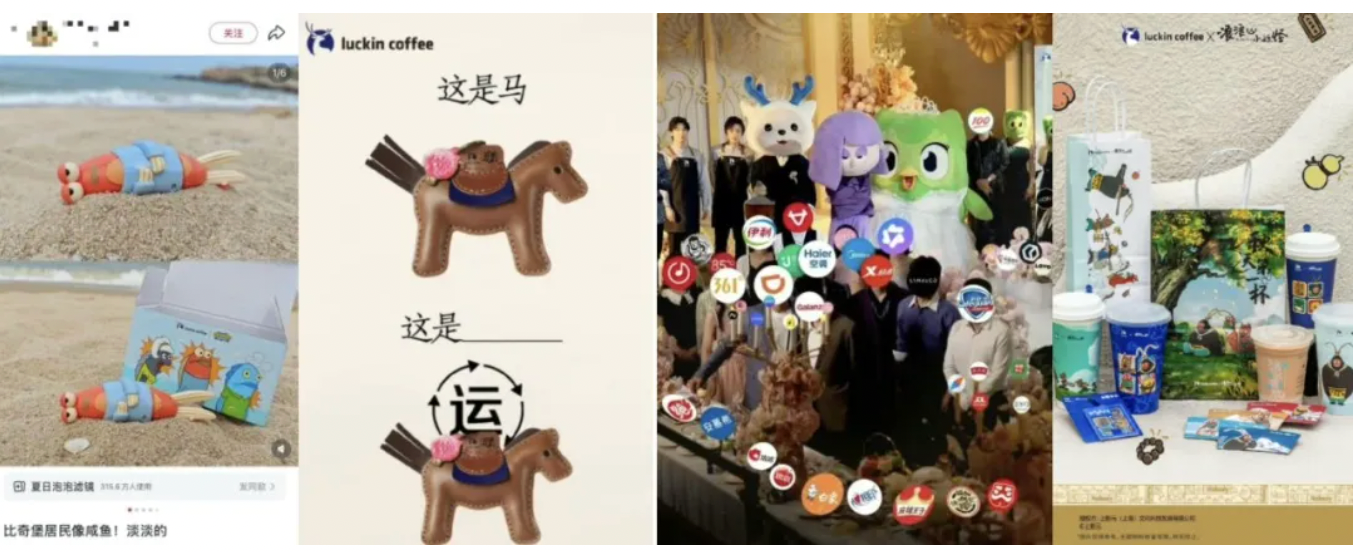
Case Study: Luckin Coffee’s collaboration with the hit mobile game Honkai: Star Rail was a masterclass in this. They didn't just slap a logo on a cup. They matched specific drink flavor profiles (like the contrasting layers of a White Mocha) to the specific personalities of in-game characters. They even redesigned their app buttons to match the game’s aesthetic. Gamers instantly recognized that Luckin wasn’t just exploiting their fandom; they had done their homework. To win on Chinese social media, you cannot just talk to a subculture; you must prove you are part of it.
2. The Scarcity Effect: Cultural Depth Over Artificial Limits
Keywords: Craftsmanship, Limited Edition, Cultural Endorsement "Artificial scarcity"—like dropping a generic limited edition of 1,000 units—is now easily spotted and rejected by rational consumers as a cheap gimmick. True scarcity today must be rooted in time, craftsmanship, and cultural weight.
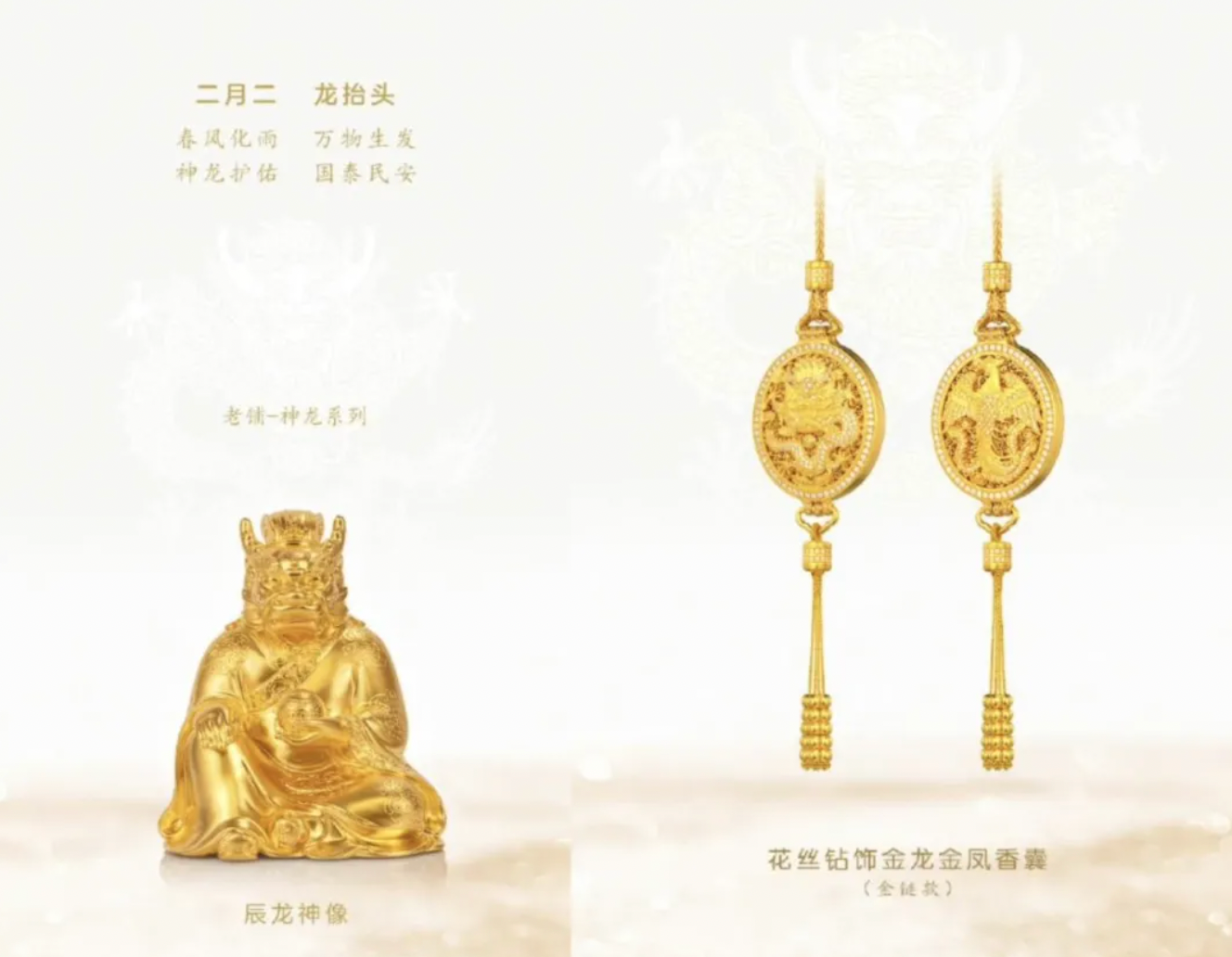
Case Study: Laopu Gold (Old Shop Gold) ignores the crowded wedding jewelry market to focus on "heritage collectibles." By partnering with institutions like the Palace Museum (Forbidden City) and utilizing ancient, intangible cultural heritage gold-crafting techniques, they create products with irreplaceable cultural scarcity. Consumers are willing to pay a premium not because the item is hard to find, but because the craftsmanship is hard to replicate.
3. The Peak-End Rule: Engineering the Highs
Keywords: Peak Experience, Exit Memory, Ritual Nobel laureate Daniel Kahneman proved that we judge an experience based entirely on its peak (the most intense point) and its end, rather than an average of every moment. Brands do not need to be perfect; they just need to engineer unforgettable highs and satisfying conclusions.
Case Study: Instant noodle giant Baixiang launched a massive offline pop-up featuring an 8-meter-tall plush noodle cup and 5-meter plush chili peppers. This overwhelming, surreal visual impact was the "Peak." As visitors left, they could exchange a stamp for exclusive plush merchandise—the perfect "End." The fact that visitors had to wait in long, crowded lines was completely forgotten; the online reviews were universally glowing because the peak and the end were flawlessly executed.
4. The Barnum Effect: The Power of "Tailor-Made"
Keywords: Self-Projection, Identity Validation, Social Currency The Barnum Effect occurs when individuals believe that generic personality descriptions apply specifically to them. In marketing, providing users with a "customized" reflection of their identity encourages massive sharing.
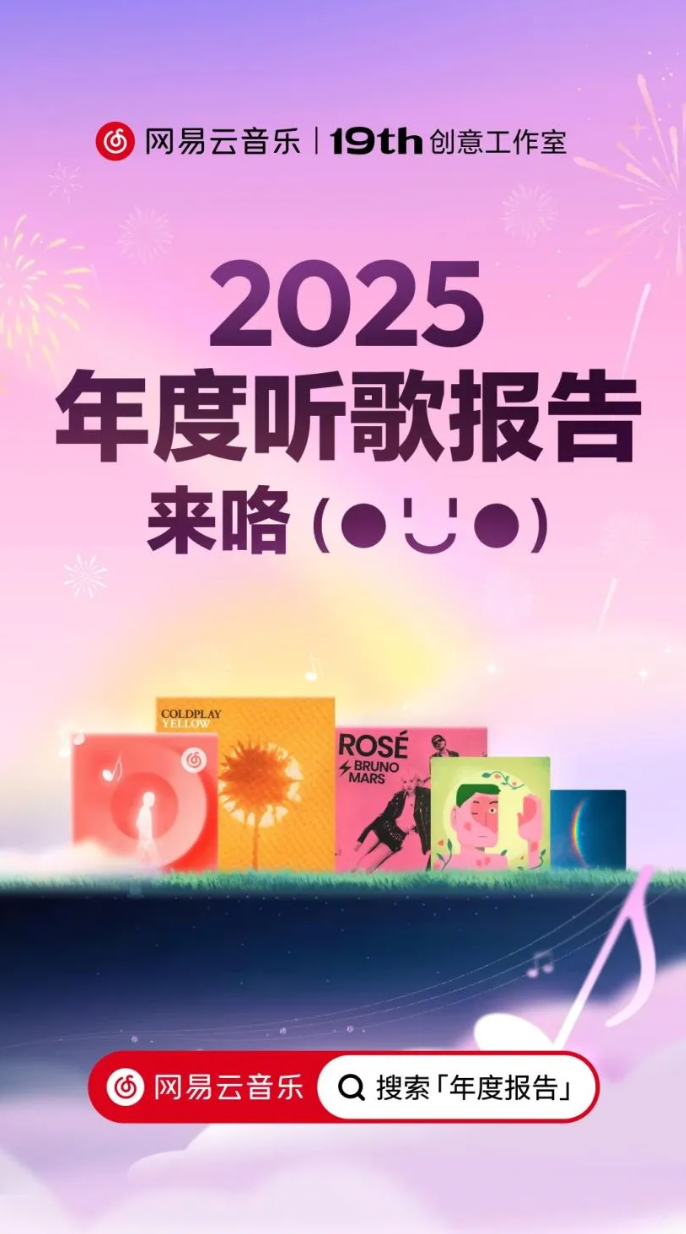
Case Study: NetEase Cloud Music’s Annual Listening Report is a perennial viral hit. In an era where fashion and decor can be copied, music taste feels deeply personal. By feeding users data like "Your Niche Treasure Song of the Year," the app provides powerful social currency. Users share these reports on WeChat Moments not to promote the app, but to validate their own unique identity to their peers.
5. The Expectation Effect: Breaking the Script
Keywords: Psychological Baseline, Surpassing Expectations, Surprise A consumer's judgment is often dictated not by the service itself, but by whether the service broke their preconceived expectations.
Case Study: Haidilao Hotpot is famous for its service. Singing "Happy Birthday" to a guest is now the baseline expectation. To break this, Haidilao staff recently went viral for singing "Happy Breakup" and giving a "new life care package" to a customer who announced she had just ended a relationship. By breaking the script of "what a restaurant should do," they constantly reset the industry standard and generate millions in free PR.
6. The Halo Effect: The "Super Selling Point"
Keywords: Extreme Focus, Core Tag, Positive Association In an age of information overload, consumers use mental shortcuts. If a brand is exceptionally good at one specific thing, that positive trait creates a "Halo" over the entire brand.
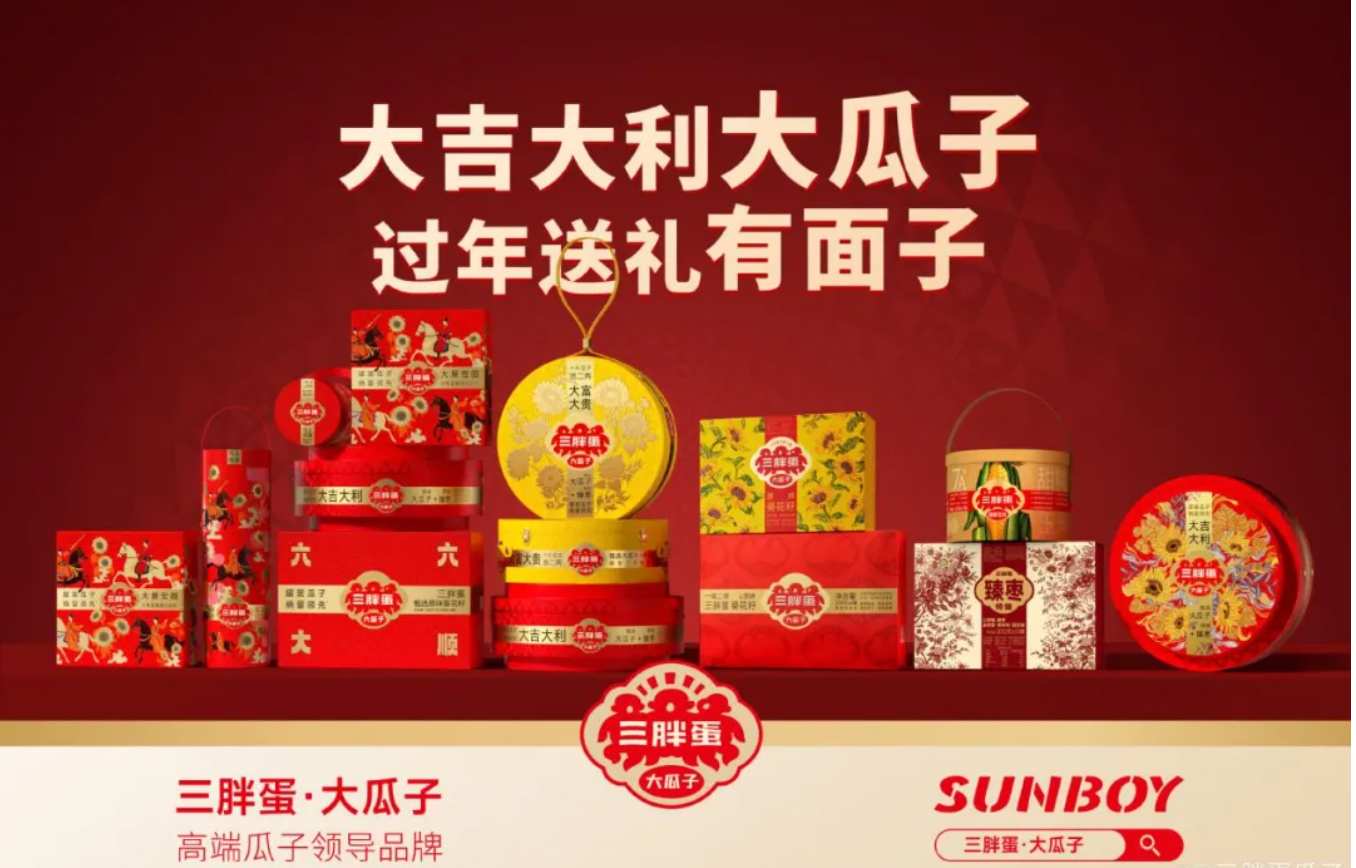
Case Study: Sanpangdan dominates the highly commoditized sunflower seed market by refusing to compete on wacky flavors or price wars. Instead, they anchored themselves entirely to the tag: "The Leader in Premium Original Seeds." By exclusively sourcing from specific latitudes and becoming the designated gift for elite business schools, they established a luxury "Halo." They don't need to explain everything they do; the "premium" tag does the heavy lifting.
7. The Anchoring Effect: Reducing Decision Friction
Keywords: Price Reference, Value Perception, Risk Control When consumers cannot assess the true value of a service (like a haircut or a manicure), they hesitate due to the risk of being overcharged. Establishing a clear "Anchor" removes this friction.
Case Study: The lifestyle app Meituan launched a New Year campaign offering half-price salon services. By displaying the standard, high-end prices of top-tier salon chains first (the Anchor), the subsequent "50% off" tag created an irresistible contrast. Consumers didn't need to analyze complex service packages; the clear anchor made the value proposition obvious, drastically reducing the psychological barrier to purchase.
As we look toward the remainder of 2026, the mandate for global brands entering China is clear. Stop obsessing over algorithmic loopholes and start obsessing over human nature. By pulling these seven psychological levers, brands can transcend the noise of Chinese marketing and build enduring, highly profitable relationships with the world's most dynamic consumer base.
Interested in exploring bespoke marketing tips and localized strategies for the Chinese market? Feel free to reach out to us!
