

Decoding China's 2026 Entertainment Landscape: Five Winners and Four Trends
For international brands—whether you are a disruptive IT firm, a trusted maternal and baby care company, a trending beauty label, or an international film studio—entering China is an exciting yet complex endeavor. The digital ecosystem here operates entirely differently from the West. Recently, Goldman Sachs released a pivotal report: the "2026 China Gaming and Entertainment Industry Outlook." While originally designed for financial investors, peeling back the layers of this report reveals a treasure trove of consumer behavior insights and digital strategies that are critical for any brand looking to establish a robust footprint in this highly lucrative market.
Instead of getting bogged down in financial jargon, we have translated these macroeconomic indicators into actionable marketing intelligence. The landscape in 2026 is defined by four core thematic shifts and dominated by five major tech platforms. Here is how your brand can leverage these insights to build culturally resonant and highly effective campaigns.
The ByteDance Variable and the Shift in Platform Dominance
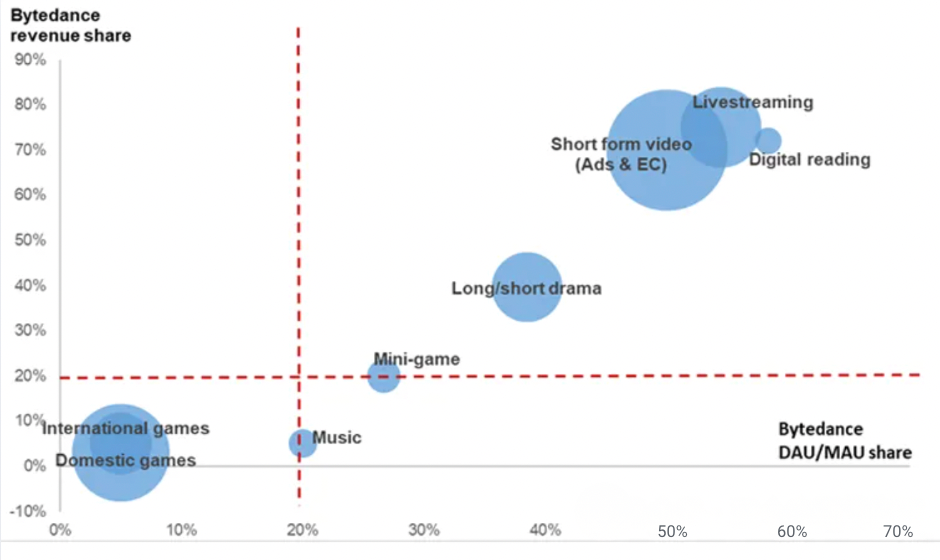
When we talk about the modern digital landscape in the East, ByteDance (the parent company of TikTok and Douyin) is the elephant in the room. However, the report highlights that its impact is not uniform across all sectors, which means brands need to be highly strategic about where they allocate their advertising budgets.
In the heavy-hitting traditional gaming sector, established giants still hold a deep moat. Creating blockbuster games requires massive capital, long-term talent accumulation, and intricate operational experience—areas where ByteDance's sheer traffic cannot simply buy victory overnight. However, for casual "mini-games" that are lightweight and highly social, Douyin has become an undeniable powerhouse, capturing roughly 20% of the market share. For FMCG or beauty brands, collaborating with these mini-game developers on Douyin offers an incredibly effective, low-barrier entry point for gamified marketing and consumer interaction.
The music streaming sector tells a different story. ByteDance’s "Qishui Music" has rapidly acquired users, but interestingly, its user base only overlaps by about 20% with established titans like Tencent Music Entertainment (TME) and NetEase Cloud Music. TME has successfully fortified its position through differentiated offerings like artist management, exclusive label partnerships, and offline event sponsorships. For overseas brands, this means TME remains the premium choice for high-fidelity audio ads, artist collaborations, and tapping into dedicated fanbases.
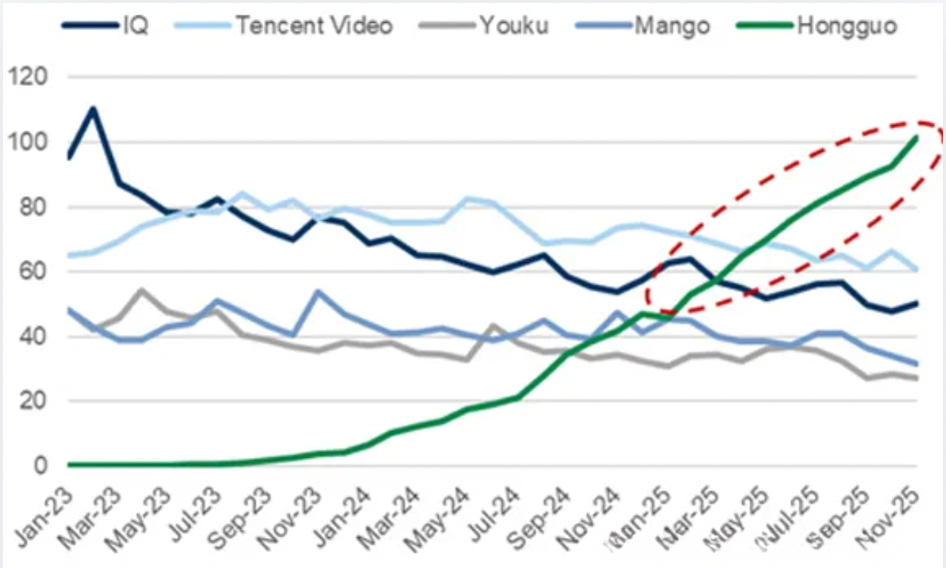
Perhaps the most astonishing behavioral shift in 2026 is the rise of vertical short-dramas (micro-dramas). This format has exploded, with its market size now rivaling traditional long-form video platforms. Top free short-drama apps have seen users spending an average of 125 minutes daily, officially surpassing the time spent on traditional short-video apps like Douyin. For international beauty, fashion, and lifestyle brands, these micro-dramas represent the ultimate frontier for product placement and native advertising, seamlessly integrating products into highly addictive, emotionally engaging storytelling.
The Globalization of Chinese Content and IP
The narrative of globalization is no longer just about Western brands going East; it is equally about Eastern content going global. In 2026, the global expansion of Chinese entertainment companies is a definitive trend, branching out from mobile games to short dramas, social platforms, and digital literature.
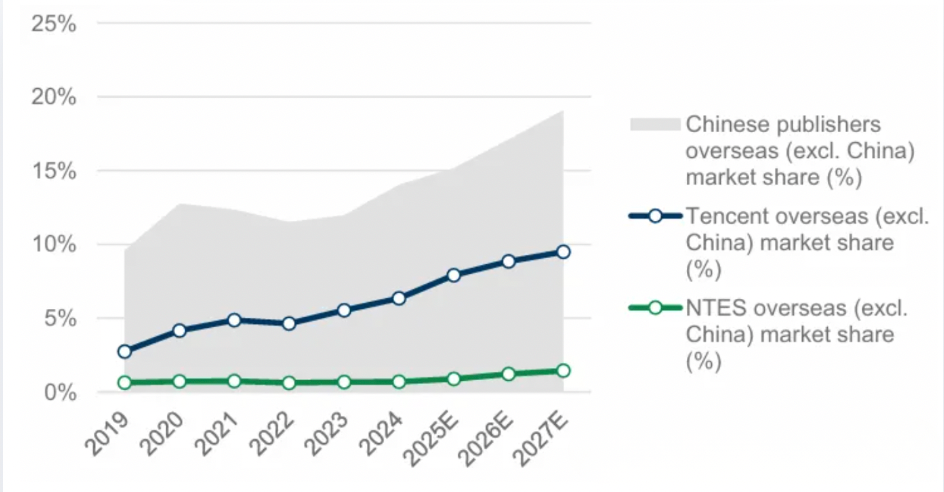
Chinese game publishers, backed by intense capital, advanced technical capabilities, and rapid content iteration, are taking the global stage by storm. Currently holding just under 15% of the global market share outside their home turf, Goldman Sachs projects this will rise beyond 19% by 2027. We are already seeing the proof: in late 2025, six out of the top fifteen highest-grossing mobile games globally were from Chinese publishers.
Why does this matter for an overseas brand? It opens up unprecedented avenues for cross-border intellectual property (IP) collaborations. Partnering with a globally successful Chinese game or entertainment franchise allows a Western brand to instantly build cultural credibility and resonate with both local consumers and the vast global diaspora. It is a dual-engine marketing strategy that pays dividends across borders.
The Deep Integration of AI in Commercial Ecosystems
While the West continues to debate the future of artificial intelligence, the Eastern market has fully transitioned into the practical application phase. AI is now deeply embedded across the entire entertainment and advertising value chain, dramatically lowering costs, enhancing operational efficiency, and creating entirely new revenue streams.
The scale of AI adoption in advertising is staggering. For instance, on platforms like Kuaishou, daily ad spend utilizing AI-generated content (AIGC) has surpassed tens of millions of RMB. Gaming companies are using AI to generate 2D art assets, slashing production costs by over 60%. But the real magic happens in ad targeting. AI-driven automated bidding and user matching have significantly boosted click-through rates on Tencent's network, yielding substantial ad revenue growth for platforms.
Furthermore, AI-native applications and AI-driven digital humans are revolutionizing e-commerce live streaming—a vital sales channel for beauty and maternal brands. Virtual influencers can host live streams 24/7, interacting with consumers and selling products without the high costs and risks associated with human celebrities. For any brand planning their budget, utilizing these AI-driven ad platforms means your marketing dollars will work smarter, targeting the exact demographic you need with hyper-personalized content.
A Warmer Policy Climate and the Booming Fan Economy
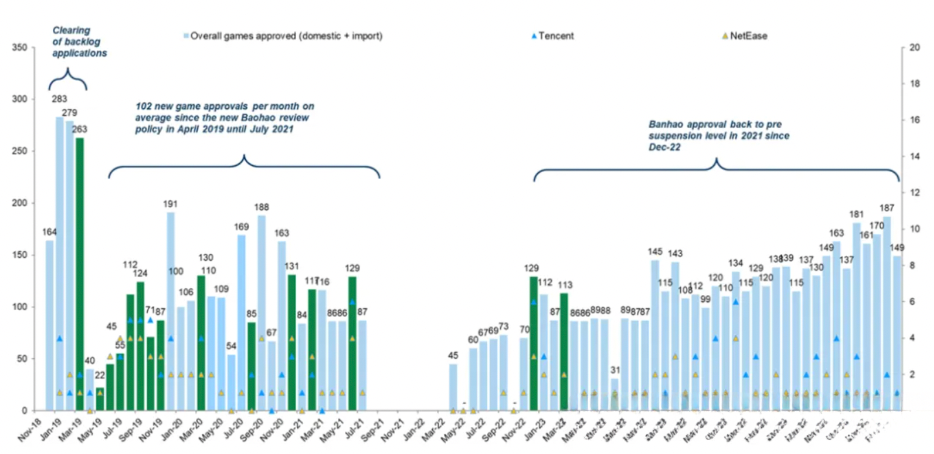
A major headwind for the industry over the past few years was strict regulatory oversight. However, 2026 sees a definitive normalization of content regulation, creating a highly favorable environment for premium content creation. Game license approvals have seen a significant year-over-year increase, and new supportive guidelines for the film and television sectors are accelerating production cycles.
More importantly for consumer brands, offline entertainment and the "fan economy" are experiencing a massive renaissance. Concerts, music festivals, variety shows, and celebrity merchandise are driving incredible consumer spending. There is also a strong expectation that restrictions on international artists—particularly K-pop and Western pop stars—performing in the country will be relaxed. If this happens, platforms like TME and ticketing giant Damai will see explosive growth. For international brands, sponsoring these offline cultural events or collaborating on celebrity merchandise offers a direct, high-impact route to capturing the hearts and wallets of passionate young consumers.
The Big Five: Strategic Partners for Overseas Brands
Based on these macro trends, the report highlights five tech giants that are dominating the space. Here is how an international brand should view them:
1. Tencent
The undisputed anchor of the digital space. With steady growth across its core businesses, Tencent is the ultimate gateway for AI-driven advertising. From WeChat to its massive gaming portfolio, it is the foundational platform for any comprehensive market entry strategy.
2. NetEase
Often undervalued compared to global peers, NetEase is currently transforming into an international powerhouse. With highly anticipated multi-platform titles launching globally, they are the ideal partner for brands wanting to target dedicated, high-spending gamers both locally and internationally.
3. Kuaishou
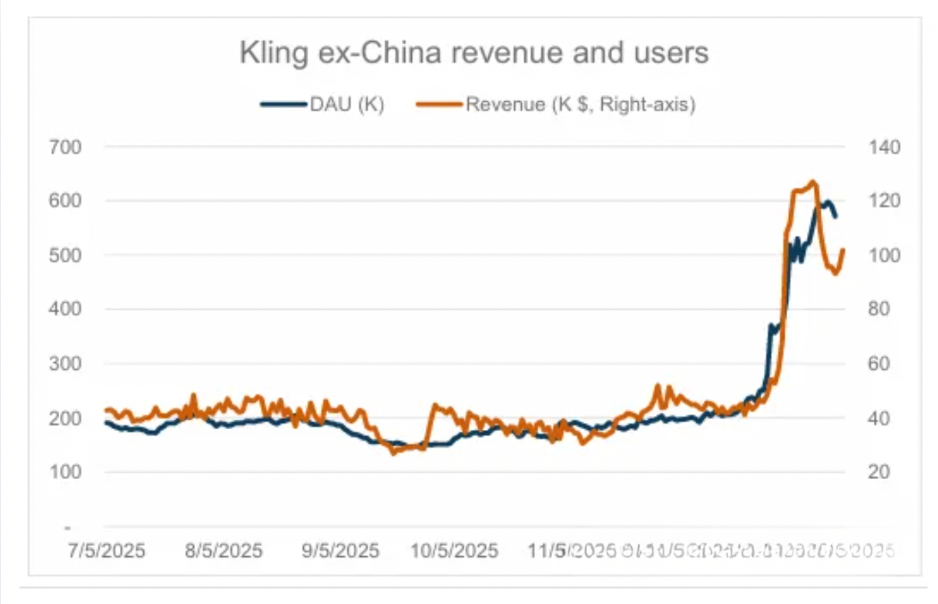
The leader in the AI narrative. Kuaishou’s stock has outperformed expectations largely due to its phenomenal AI video generation model, Kling. With a deeply loyal user base in lower-tier cities, Kuaishou combined with its new AI capabilities is the perfect platform for brands looking to penetrate broader, emerging consumer markets with highly engaging video content.
4. Bilibili
The sanctuary for Generation Z. Bilibili is experiencing rapid margin expansion, driven by its highly profitable advertising business and a strong pipeline of new games. If your brand is in the IT, gaming, or trending beauty sectors, Bilibili’s community-driven, long-form video format is the absolute best place for deep, authentic product education and influencer (UP host) marketing.
5. Tencent Music Entertainment (TME)
Despite market fears regarding competition from ByteDance, TME remains incredibly resilient. By focusing on premium memberships and exclusive artist merchandise, they have cultivated a highly dedicated audience. Brands looking to associate themselves with music lifestyle, youth culture, and high-quality audio experiences will find TME to be an indispensable partner.
In conclusion, succeeding in this unique and fast-paced market requires more than just translating your Western campaigns into the local language. It requires a profound understanding of where consumer attention is shifting. By leveraging the AI capabilities of platforms like Tencent and Kuaishou, tapping into the micro-drama craze, and understanding the distinct user bases of Bilibili and TME, your brand can navigate the complexities of Chinese social media and achieve sustainable growth in 2026 and beyond.
Interested in exploring bespoke marketing tips and localized strategies for the Chinese market? Feel free to reach out to us!
