

Navigating China’s 2026 Growth Sectors: A Strategic Guide (Part 2)
In our previous discussion, we established that 2026 is the year of "Pragmatic Innovation" in China. While the first five sectors focused on the backbone of technology, the remaining five sectors focus on how that technology integrates into the social fabric. From the way people commute to how they care for their aging parents and pets, these trends represent a shift toward high-quality, specialized services. For an international brand, these sectors offer lower technical entry barriers compared to semiconductor manufacturing but require a much deeper understanding of local cultural nuances and policy directions.
The Sky is the New Frontier: The Low-Altitude Economy
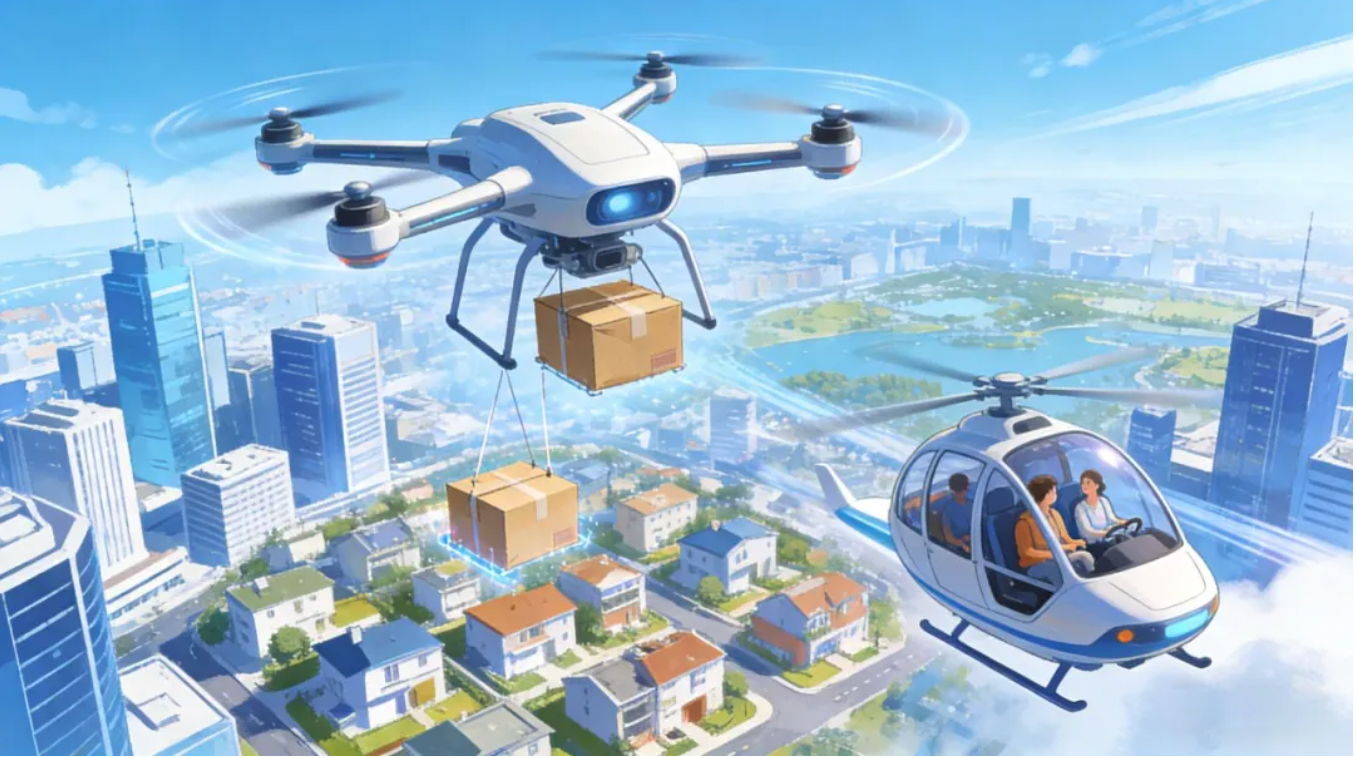
Following our discussion on commercial aerospace, the "Low-Altitude Economy" represents a more immediate, localized revolution. Focusing on the airspace between 1,000 and 3,000 meters, this sector utilizes Unmanned Aerial Vehicles (UAVs) and Electric Vertical Take-off and Landing (eVTOL) aircraft to solve terrestrial challenges. By 2025, the market scale is projected to hit 1.5 trillion RMB. For an international brand, the immediate opportunities lie in logistics and high-end tourism. Drones are no longer just for photography; they are becoming essential for "Last-Mile" delivery in congested urban centers. Companies like EHang and XPENG AeroHT are leading the charge, proving that aerial mobility is moving from science fiction to a functional business model with clear ROI.
The Loneliness Economy: Pets and Emotional Solace
A significant demographic shift in China—characterized by delayed marriage and falling birth rates—has birthed a robust "Emotional Economy." Young professionals are increasingly redirecting their disposable income toward pets and "self-healing" products. The pet market is expected to surpass 811 billion RMB by the end of 2025. This isn't just about kibble; it’s about premiumization—smart feeders, high-tech pet medical services, and even luxury pet insurance. Beyond animals, "Emotional Consumption" covers mental health apps, boutique fragrance brands, and immersive outdoor experiences like "Starry Sky Camping." Brands that can position themselves as "providers of comfort" will find deep resonance on Chinese social media platforms, where "healing" content consistently goes viral.

The 12-Trillion Opportunity: China’s Silver Economy
By 2030, over 20% of the population will be over 60 years old. However, today’s "Silver Generation" is vastly different from previous cohorts. They are tech-savvy, travel-hungry, and possess significant purchasing power. This "Silver Economy" is projected to exceed 12 trillion RMB. Opportunities abound in "Aging-Adapted" smart technology—such as large-font smartphones and intelligent health-monitoring furniture—as well as leisure services like specialized senior universities and tailored digital entertainment. International brands with experience in elderly care or ergonomic design will find a highly receptive market that is currently underserved by high-quality, premium offerings in the current chinese marketing landscape.

Strategic Stability: New Green Energy and Storage
For brands seeking long-term stability, the "Green Energy" sector remains the most policy-aligned path in China. The national mandate for carbon neutrality is driving record investments in photovoltaic (solar), wind, and especially energy storage systems. As the grid transitions away from coal, the intermittency of renewable sources creates a massive demand for advanced battery technology and power management software. This sector is characterized by massive, stable government contracts and a global leadership position in supply chain efficiency. Companies like CATL and BYD have set the stage, but there is still immense room for international firms specializing in rare mineral processing, high-efficiency lithium batteries, and smart-grid integration.

The Road Ahead: Mass Adoption of Autonomous Driving
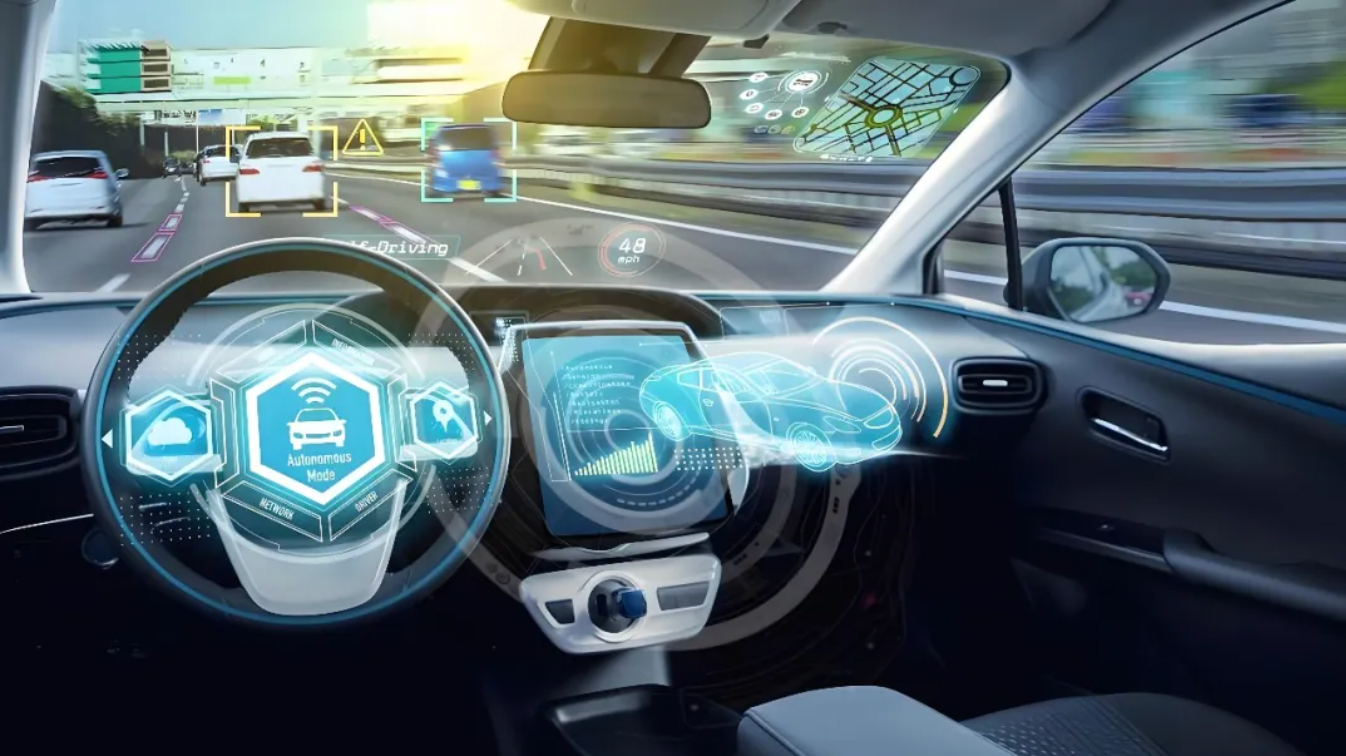
2026 marks the commercial tipping point for autonomous mobility. In Tier-1 cities, fully autonomous Robotaxi fleets are transitioning from pilot programs to mainstream public transport options. This shift is not just a triumph for automotive manufacturers; it is creating a secondary market for specialized chips, high-definition display screens, and edge computing services. As internal combustion engines are phased out, the "Software-Defined Vehicle" becomes a mobile living space. This opens up entirely new Chinese marketing channels—in-car entertainment, mobile shopping interfaces, and localized data services—that will redefine how brands interact with consumers during their commute.
Conclusion: Landing the Opportunity in 2026
The overarching theme for the 2026 "windfall" industries is "Grounded Utility." Whether it is a drone delivering a package, a smart device caring for a pet, or an autonomous car navigating a mega-city, the successful businesses of this era are those that solve real-world problems. For the international observer, the china market is no longer a monolith of cheap manufacturing; it is the world’s leading laboratory for tech-integrated living. By aligning with these 10 sectors across our two-part guide, brands can navigate the complex regulatory and cultural landscape, ensuring they are positioned for a decade of growth rather than just a fleeting trend. Mastery of Chinese social media and a focus on localized needs will be the bridge to this future.
Interested in exploring bespoke marketing tips and localized strategies for the Chinese market? Feel free to reach out to us!
