Chinese Wechat Marketing Tips | Decoding WeChat's Latest Updates
Navigating the digital landscape in China requires constant vigilance, especially when it comes to the country's primary super-app. WeChat frequently rolls out updates that seem minor on the surface but carry significant implications for brand strategy and user engagement. Recently, the platform introduced three notable changes to its Official Accounts ecosystem. These updates reflect a broader shift toward visual storytelling, streamlined user experiences, and a distinct separation between hard-selling and value-driven services. For brands and creators, understanding these subtle shifts is the key to maintaining visibility and relevance.
The Aesthetic Shift in Account Icons
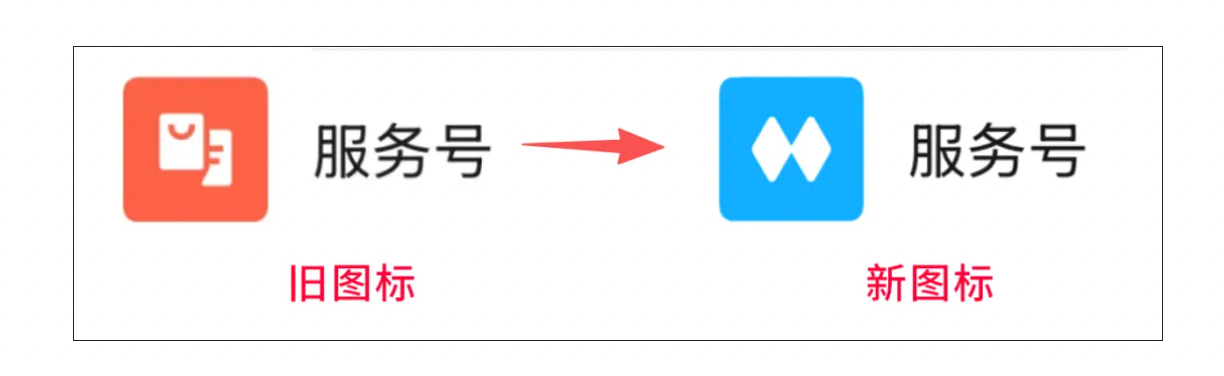
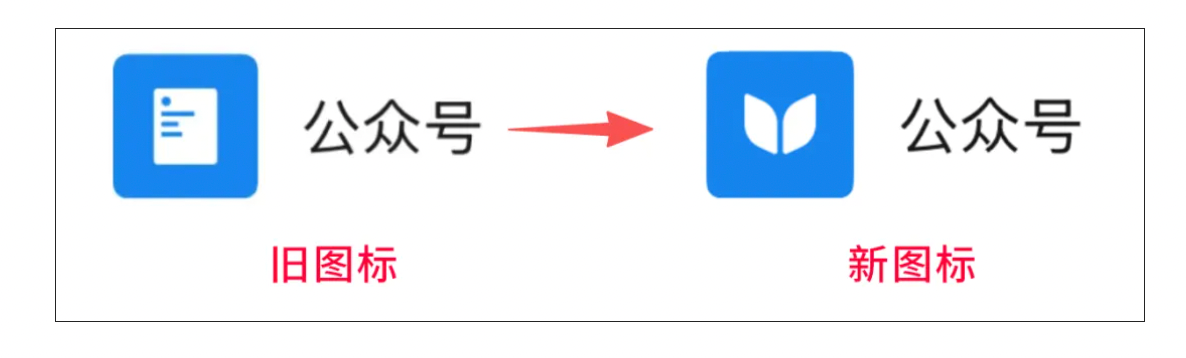
The first noticeable change is a complete redesign of the icons used for WeChat Official Accounts, bringing a fresh and unified visual identity to the platform. Subscription Accounts, which are primarily used by media outlets and brands for publishing daily content, have transitioned from a traditional "book" icon to a sleek "leaf" design. This UI iteration aims to modernize the brand expression, giving it a younger, more vibrant feel without altering any underlying functionalities.
Meanwhile, Service Accounts have undergone a more philosophical design shift. Previously represented by a "shopping bag," the icon is now a "double rhombus" design. The old shopping bag inherently carried strong commercial and marketing connotations. By shifting to the interconnected rhombuses, WeChat is subtly signaling that Service Accounts should focus less on aggressive sales tactics and more on providing genuine, utility-driven services to users. Both new icons share a harmonious light blue color palette, contributing to a cleaner and more minimalist interface across the app.
The Visual Content Revolution
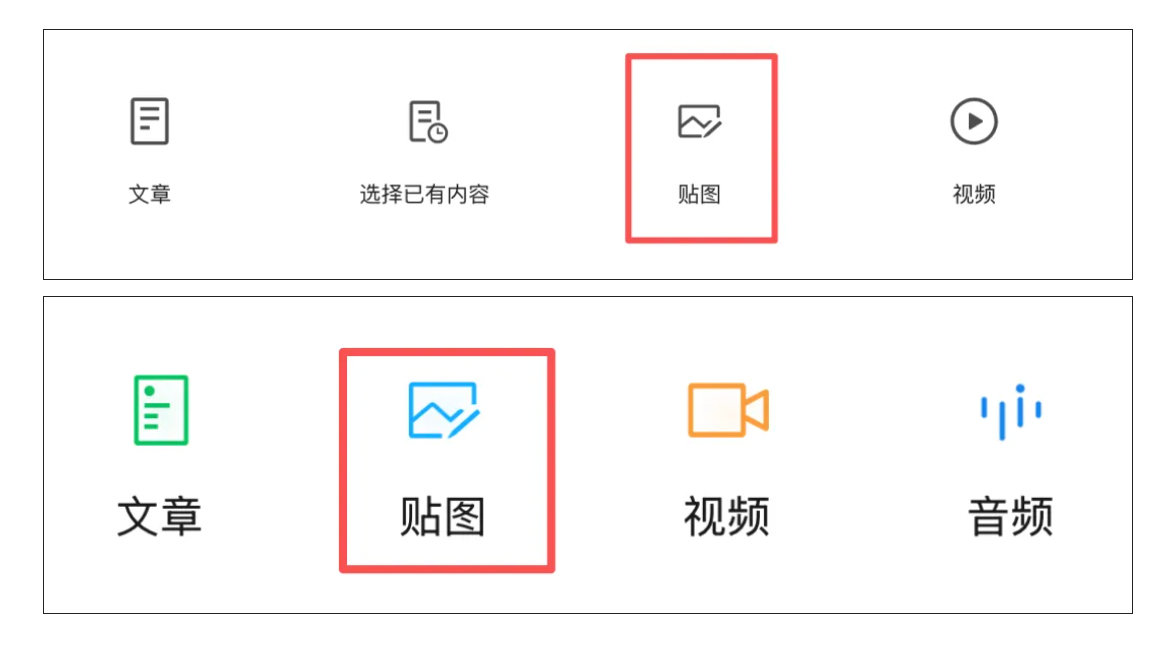
Perhaps the most impactful update for Chinese marketing professionals is the evolution of WeChat’s short-form visual content. Informally known among marketers as WeChat’s "Little Green Book"—a nod to its similarity to the popular app Xiaohongshu (RED)—this feature was previously officially named "Image-Text." It has now been officially rebranded as "Posts" (贴图). This is not just a cosmetic name change; it is a substantial functional upgrade designed to make content more dynamic.
The new "Posts" feature breaks away from static imagery. Creators can now upload standard images, GIFs, and even convert short videos (up to three seconds) into Live Photos. This added layer of motion makes the visual experience significantly more engaging for the end-user. Furthermore, WeChat has integrated built-in editing tools, allowing creators to overlay text, add digital stickers, and make multiple edits directly within the app before publishing. This flexibility caters to the modern creator's need for highly personalized and aesthetic layouts.
More importantly, early data suggests that the WeChat algorithm is heavily favoring this new format. Industry testers have reported that publishing identical content as a "Post" versus a traditional long-form article yields drastically different results. In some observed cases, the visual "Post" garnered over three times the viewership of the standard article within an 18-hour window, despite being published slightly later. For brands, this represents a massive opportunity to capture organic traffic by pivoting toward bite-sized, highly visual content.
Streamlined Creator Profiles
The final update focuses on how users manage and display their content portfolios. In the "Me" section of the WeChat app, the tab formerly known as "Channels and Official Accounts" has been simplified to simply "Works" (作品). This seemingly minor text change comes with a reorganized internal layout that completely separates different types of media.
Upon entering the "Works" tab, users will now see their "Post Accounts" and "Channels" (WeChat's short-video feed) displayed as distinct categories. This structural change confirms that WeChat now treats visual "Posts" as an entirely independent form of content creation, entirely separate from traditional articles and short videos. According to official guidelines, these dedicated Post Accounts are exclusively for publishing visual Posts, which are then distributed into a dedicated feed for followers to consume. This categorization makes it easier for creators to manage their multi-media presence while giving users a cleaner browsing experience.
Strategic Takeaways for Brands
These updates collectively highlight a clear direction for the future of Chinese social media. The platform is encouraging brands to soften their direct marketing approaches, as evidenced by the Service Account icon change, and is heavily rewarding visual, easy-to-digest storytelling. Marketers should immediately begin experimenting with the new "Posts" feature, utilizing Live Photos and built-in text overlays to capture the algorithmic traffic boost. By adapting to these new formats, brands can ensure their content remains front-and-center in an increasingly visual digital ecosystem.
Interested in exploring bespoke marketing tips and localized strategies for the Chinese market? Feel free to reach out to us!