

China’s 2026 Growth Sectors: A Strategic Guide (Part 1)
Entering 2026, the era of "burning cash for market share" has officially ended in China. Investors, whether in private equity or public markets, have matured significantly. They are no longer captivated by grandiose visions of a distant digital utopia; instead, they demand a "Path to Profitability." This shift is evidenced by the successful IPOs of generative AI leaders and the soaring valuations of domestic chipmakers. For global stakeholders, the message is clear: the Chinese marketing ecosystem now favors "Landable Tech"—innovations that solve tangible problems and generate immediate cash flow. This article highlights the first five of ten critical sectors that will define the next decade of Chinese growth.
Physical AI: Humanoid Robots and the Next Wearable Revolution
AI has transitioned from intangible software to physical tools that work alongside humans. 2026 is the "Year of Employment" for humanoid robots. Leading domestic firms like Unitree and Galbot are moving beyond exhibition halls and placing robots in factories for logistics and quality inspection. The focus is no longer just on aesthetics but on "embodied intelligence"—the ability for machines to make autonomous decisions. Simultaneously, AI glasses are emerging as the next major consumer electronics category. With over 700 million people in China requiring corrective lenses, integrating translation and voice assistance into daily eyewear offers a massive, untapped market for any international brand specializing in tech-lifestyle fusion.

3D Printing: From Hobbyist Toy to Industrial Powerhouse
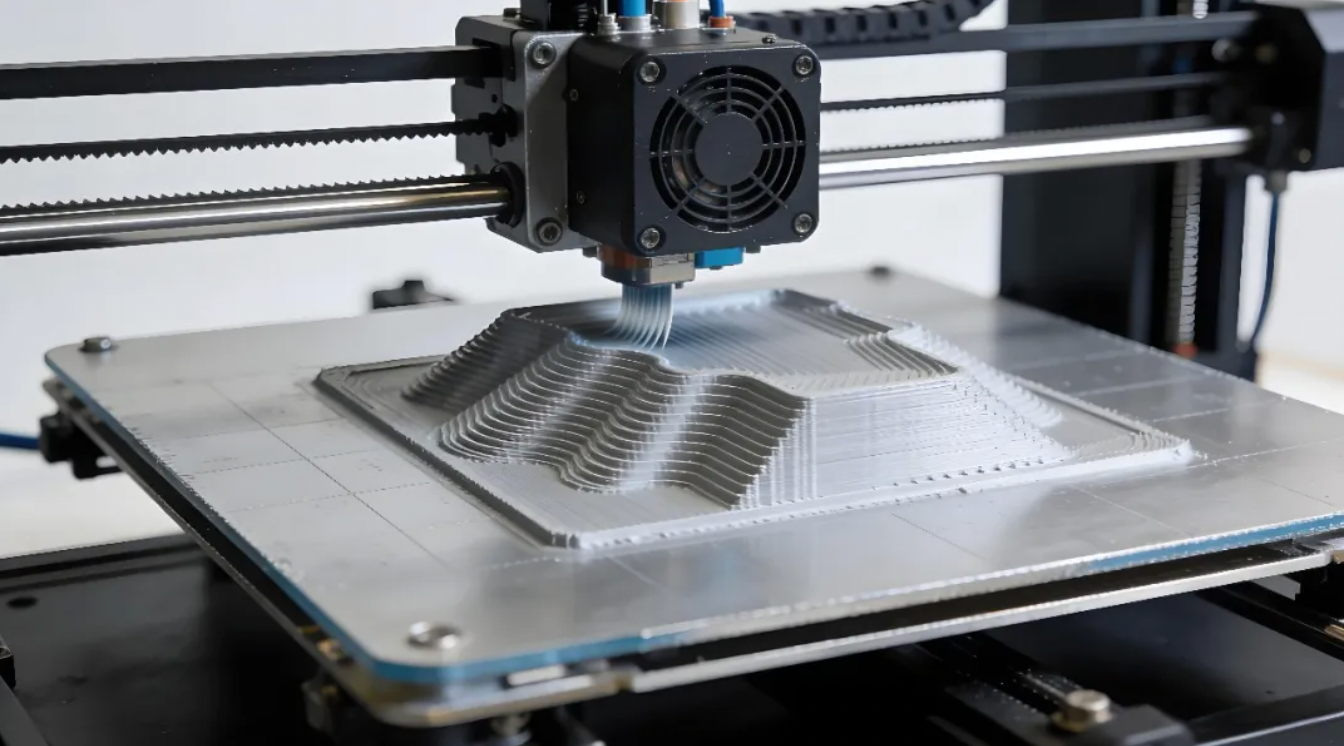
Once restricted to geeks and prototypes, 3D printing has achieved mass-market scale thanks to AI-simplified design interfaces. This technology has lowered the barrier to entry, allowing non-experts to manufacture complex products with professional precision. Currently, China accounts for over one-third of the $85 billion global 3D printing market. Domestic leaders are rapidly expanding, fueled by stable industrial orders and high technical barriers that protect them from low-end competition. For brands looking to optimize their supply chains within China, this sector offers a clear path to high-efficiency, localized production.
The "Gu-zi" Economy: Monetizing Fandom and Emotional Value
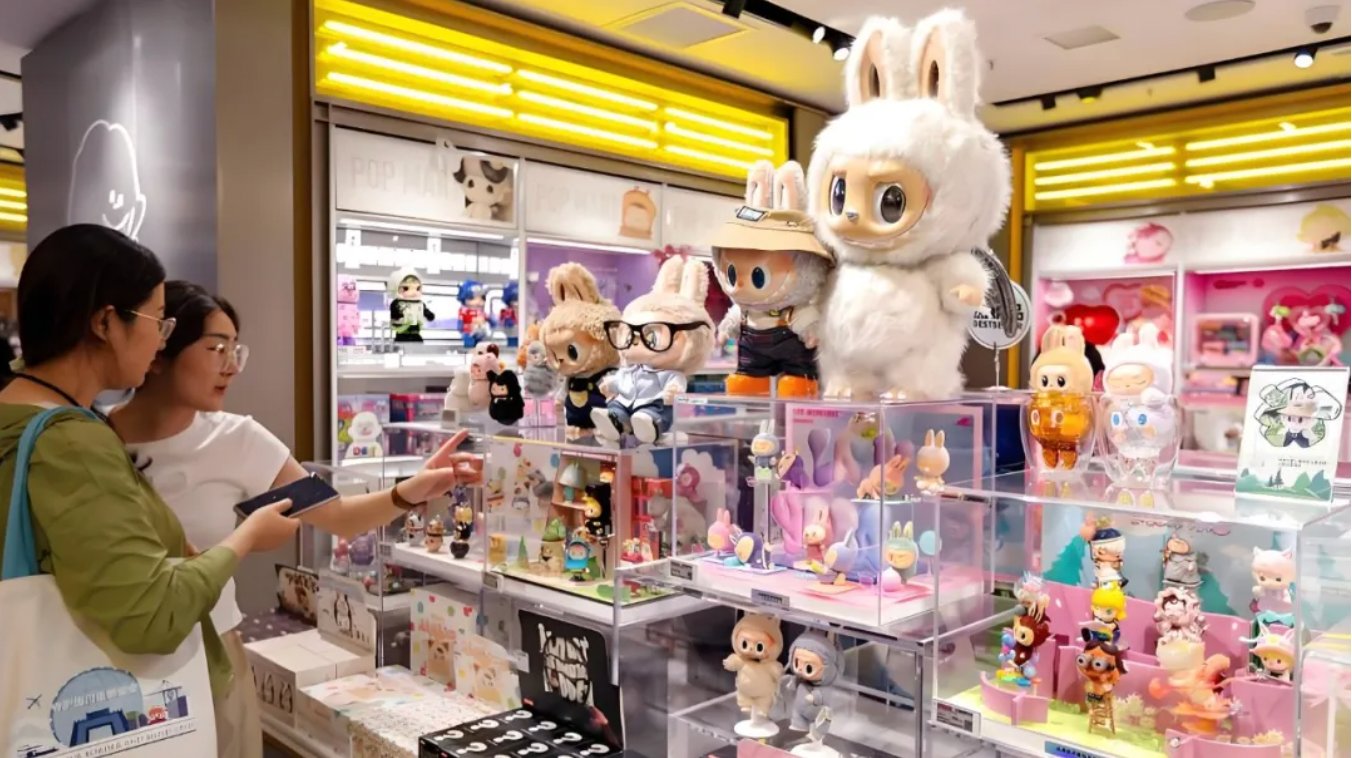
The most resilient segment of Chinese retail today is "Emotional Consumption." The "Gu-zi" (merchandise) economy—focused on badges, cards, and figures from anime and gaming—has exploded into a 170 billion RMB industry. This is no longer a niche subculture; it is a mainstream lifestyle for Gen Z. Brands like Pop Mart have proven that localized IP, enhanced by AI design and global distribution, can achieve record-breaking profitability. An international brand that can successfully leverage its own heritage IP or collaborate with local Chinese icons will find a highly engaged audience eager to spend on "self-pleasing" items.
AI Content: The New Frontier of Digital Entertainment
The barrier to high-quality video production has collapsed. With the release of advanced tools like Seedance 2.0, the cost of creating "Live-Action" short dramas and animated series has plummeted. This allows small creative teams—and even individuals—to produce viral content for Chinese social media platforms like Douyin and WeChat with minimal investment. The trend is shifting toward "AI Human" dramas and niche animated shorts that resonate with the fragmented attention spans of modern consumers. For brands, this represents a golden opportunity to create high-frequency, low-cost marketing assets that maintain a high degree of "organic" appeal.

Commercial Space: The Industrialization of the Sky
Space is officially open for business in China. The commercial aerospace sector is no longer the sole domain of the state, with private firms now handling over 50% of domestic launches. Supported by new government policies and the establishment of a dedicated commercial space department, companies are moving toward IPOs and selling orbital services to a global clientele. While the upfront costs remain high, the long-term potential for satellite data and even space tourism is substantial. This "Aerial Economy" is a testament to China's commitment to strategic high-tech dominance, offering a unique high-barrier entry point for long-term institutional investors.

The first five windfalls of 2026 demonstrate a common theme: the convergence of high technology with everyday utility and emotional resonance. Whether it is a robot on a production line or a digital drama on a smartphone, the winners are those who can make tech "land" effectively. To truly succeed, an international brand must integrate these insights into their broader Chinese marketing strategy, ensuring they are not just watching the future happen, but actively participating in its commercialization. Stay tuned for Part 2, where we will dive into the remaining five sectors, including the Low-Altitude Economy and Green Energy.
Interested in exploring bespoke marketing tips and localized strategies for the Chinese market? Feel free to reach out to us!
