

Niche Outdoor Brands Enter the Chinese Market
The landscape of outdoor recreation and lifestyle is undergoing a profound transformation. What was once a niche pursuit reserved for hardcore mountaineers or a simple walk in the park has exploded into a multi-faceted lifestyle movement. Today’s consumers are not just looking for basic functional apparel; they are seeking highly specialized, premium equipment that enhances very specific outdoor experiences. This shift in consumer behavior presents a massive opportunity for an international brand that possesses a deep, focused heritage in a particular sub-category of the outdoor industry.

Recently, three distinct international brands have capitalized on this trend by transitioning from a purely e-commerce presence to establishing permanent, experiential physical retail spaces. By opening their first flagship stores, these brands are signaling a deeper commitment to the market. They are moving closer to the consumer, offering tactile experiences that digital storefronts simply cannot replicate. This retail expansion is a direct response to a more sophisticated demographic that views the outdoors not just as an activity, but as an extension of their personal identity and lifestyle.
Coleman: Illuminating the Modern Camping Experience
The American outdoor lifestyle heritage brand, Coleman, has officially opened its first physical flagship store at Dongtaili in Shanghai's Xintiandi district. To execute this expansion, the brand partnered with the Greater China division of Newell Brands, an American consumer goods powerhouse. Recognizing the necessity of an omnichannel approach, Coleman simultaneously launched official flagship stores across major e-commerce platforms, including JD.com, Tmall, Douyin, and their own dedicated WeChat Mini Program, ensuring comprehensive coverage across the digital landscape.
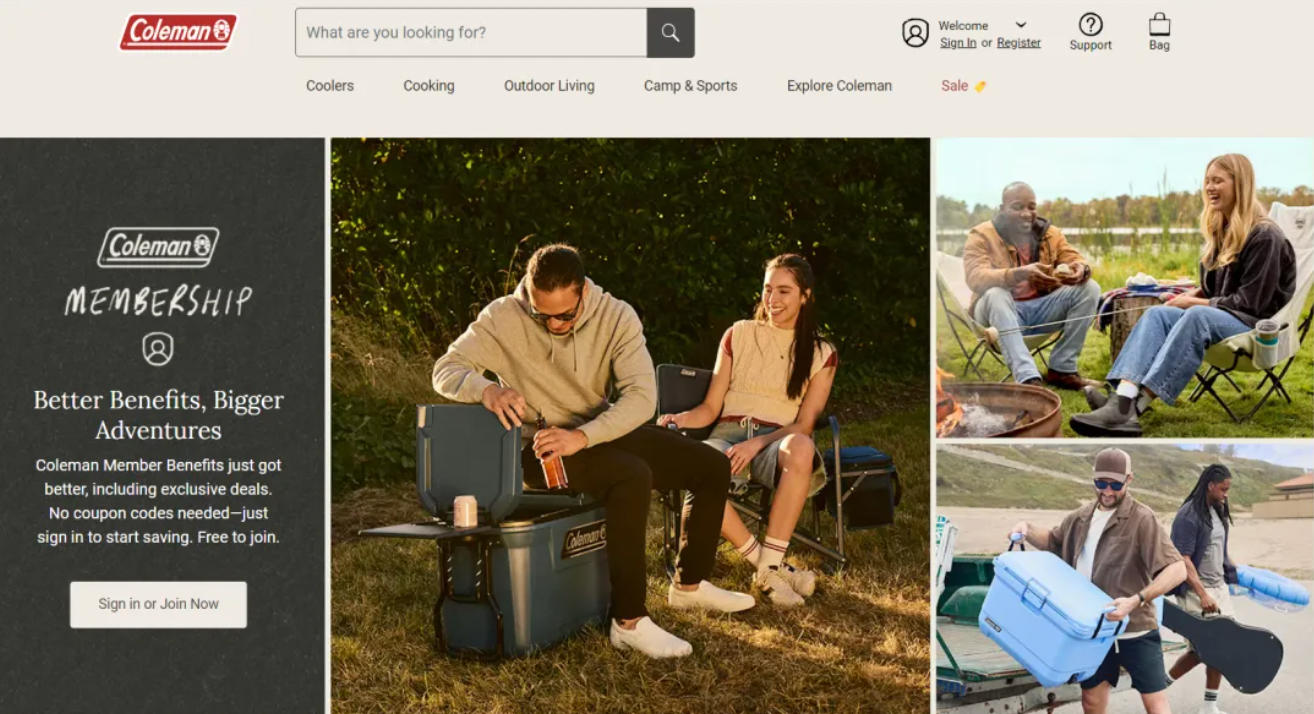
The story of Coleman is deeply rooted in American industrial history. Founded in 1900 in Wichita, Kansas, by W.C. Coleman, the company began under humble circumstances. As a law student trying to pay for his tuition, Coleman started selling lamps. His entrepreneurial spirit quickly led him to design his own lighting fixtures. The brand's defining milestone came in 1914 with the invention of the world's first portable gas-powered lantern. Boasting a brightness equivalent to 300 candles, it was powerful enough to illuminate the darkest corners of agricultural barns. It was so effective that the US government designated it a "must-have lighting product for every American family." The iconic silhouette of this very lantern eventually evolved into the globally recognized Coleman brand logo.
This invention had profound economic impacts, allowing farmers to extend their working hours and drastically improve agricultural productivity. By 1910, the Coleman company had already established itself as a major American manufacturing force. Following World War I, as automobile travel became increasingly popular among the middle class, Coleman adapted by developing a folding camping stove in 1923, which opened up an entirely new market for travel and recreational scenarios. During World War II, the company pivoted to produce "pocket stoves" for the US military. Post-war, they revolutionized the leisure market by introducing galvanized steel coolers, plastic coolers, and plastic water jugs. Through strategic acquisitions over the following decades, Coleman expanded its catalog to include tents, sleeping bags, and footwear.
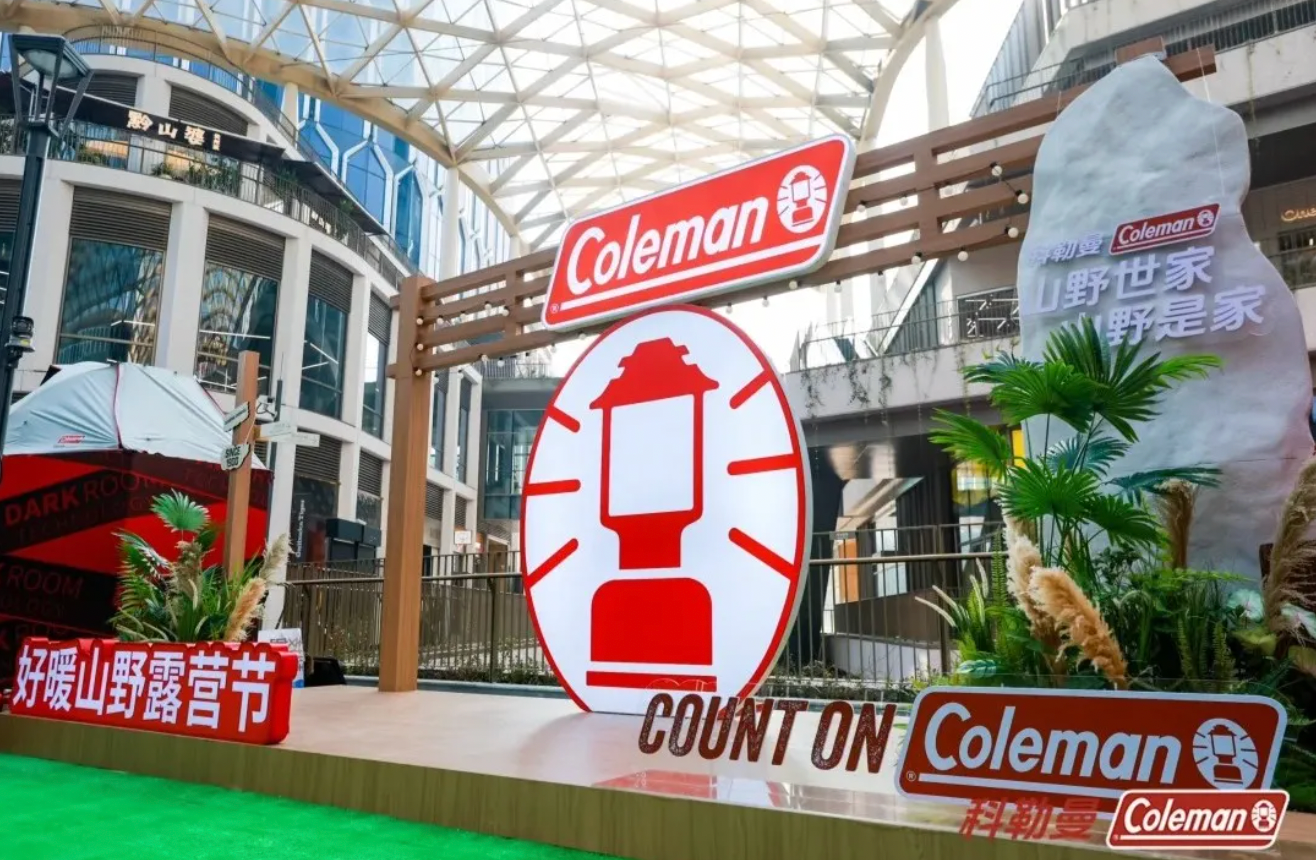
By the late 1960s, Coleman had grown into the largest outdoor camping equipment brand globally. Their legacy of reliability was further cemented in 2002 when they designed the Olympic torch for the Salt Lake City Winter Games. Today, the brand operates under the philosophy that "The wilderness is home," focusing on providing safe, reliable, and comprehensive one-stop camping solutions. To celebrate their first Chinese flagship store, Coleman launched a 10-day "Warm Wilderness Camping Festival" in Shanghai, featuring five themed experience zones and a massive, iconic Coleman lantern art installation, allowing urbanites to experience the joy of nature right in the city center.
NANGA: From Traditional Futons to Extreme Down Gear
While Coleman dominates the broader camping lifestyle, the Japanese premium down brand NANGA focuses on extreme specialization. NANGA recently opened its first physical store in the Luxe Lakes Eco-City in Chengdu, a city known for its laid-back lifestyle and proximity to dramatic mountainous terrains.
Founded in 1941 by Akira Yokota in Shiga Prefecture, Japan, the company originally started as a traditional Japanese futon manufacturer named "Yokota Sewing." However, by 1994, the traditional futon business was in steady decline. Faced with a shrinking market, Yokota made the bold decision to pivot entirely to manufacturing sleeping bags. He drew inspiration from Nanga Parbat, a notoriously dangerous peak located at the western anchor of the Himalayas, and renamed the brand NANGA. Nanga Parbat translates to "Naked Mountain" in Hindi, standing out prominently at an elevation of 8,126 meters. As the ninth highest mountain in the world, it is infamous for its extreme difficulty and high fatality rate, earning the grim moniker "Killer Mountain."
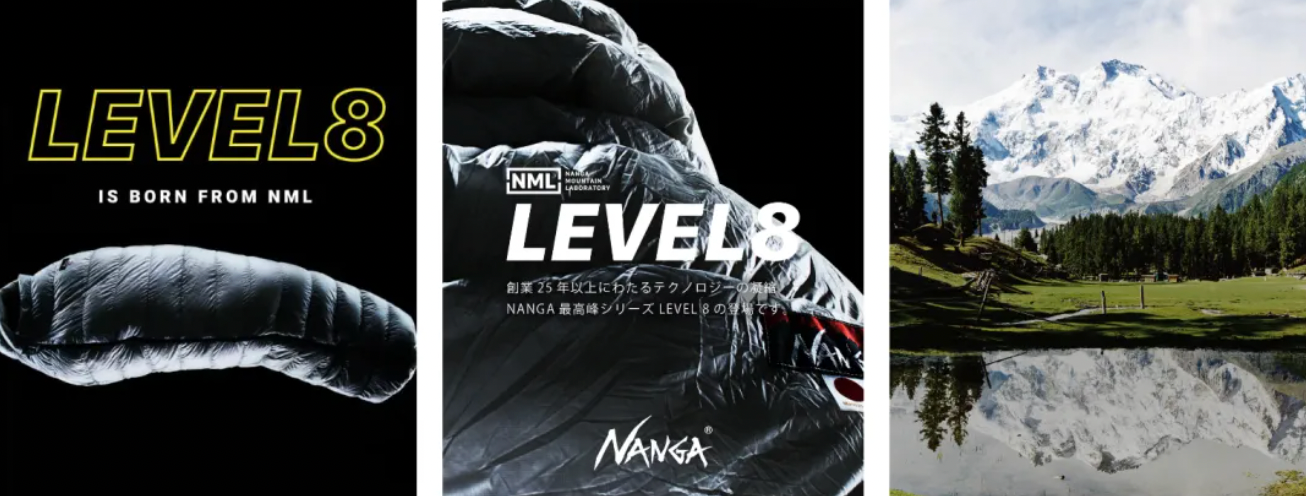
Choosing such a formidable name represented the founder's absolute determination to transform his business and symbolized the brand's commitment to creating products that could withstand and conquer the most brutal environmental conditions. NANGA's core strength lies in its use of premium European down. The brand has developed proprietary technologies, including the ultra-lightweight Aurora-Tex fabric and UDD (Ultra Dry Down) technology, which provide exceptionally high levels of water resistance and impermeability.
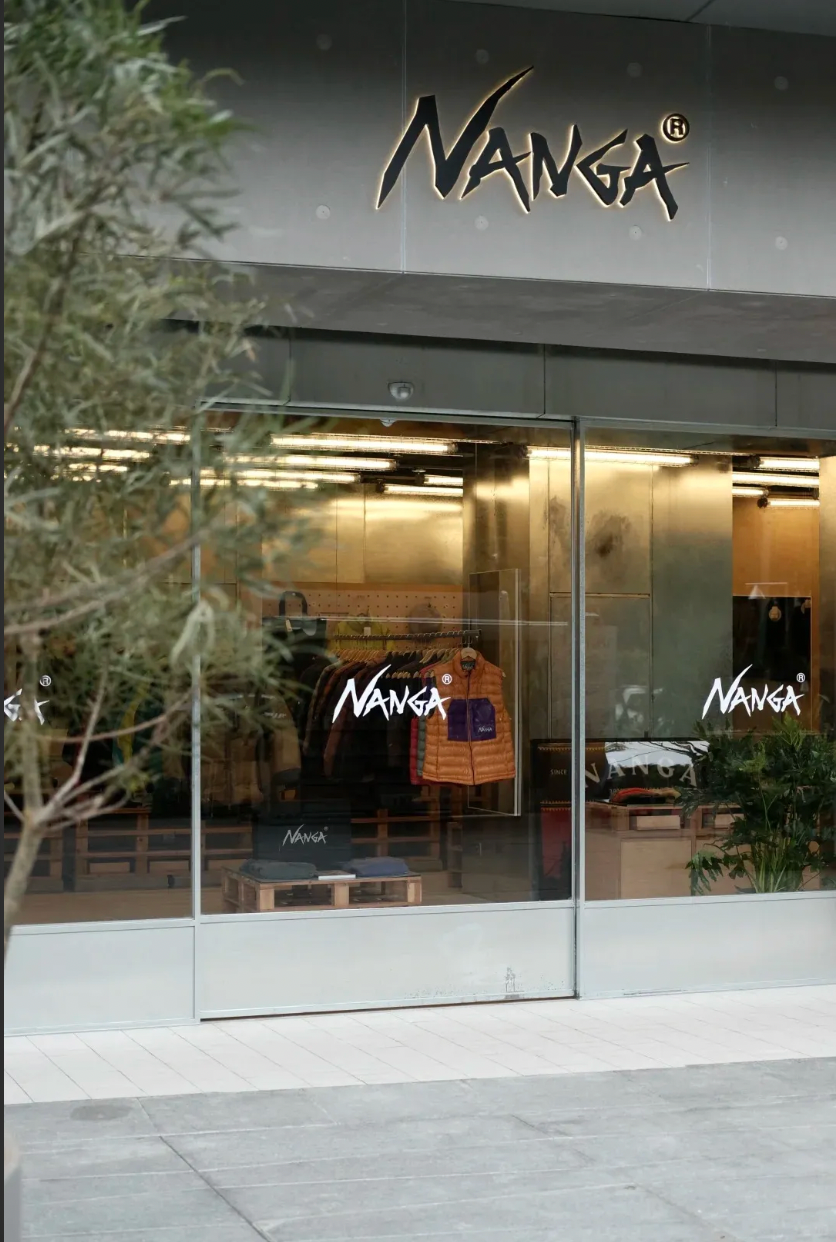
In 2006, the brand expanded its expertise from sleeping bags into down apparel, and its product line now includes scarves, gloves, backpacks, and other accessories, all emphasizing high-quality Japanese craftsmanship. NANGA initially entered the market in 2022 via a Tmall flagship store and partnered with select outdoor multi-brand boutiques. The new Chengdu store features a minimalist aesthetic, utilizing low-saturation earth tones and warm wooden lighting to create a relaxed, Japanese-inspired atmosphere. It serves as a permanent, immersive space where outdoor enthusiasts can truly feel the brand's dedication to craftsmanship.
Ruffwear: Pioneering the Canine Outdoor Lifestyle
Perhaps the most unique entry is Ruffwear, an American brand specializing in outdoor gear for pets, which has earned the nickname the "Arc'teryx of the dog world." Like Coleman, Ruffwear chose the trendy Dongtaili area in Shanghai's Xintiandi for its debut physical store.
Founded in Oregon in 1992, Ruffwear has actually been available to consumers since 2015 through an exclusive distributor. The brand notes that it has long held a leading position in the outdoor travel category on major e-commerce platforms like Tmall and JD.com. Opening this offline flagship store marks a transition into a phase of deep market cultivation, aiming to strengthen user loyalty through synchronized online and offline experiences.
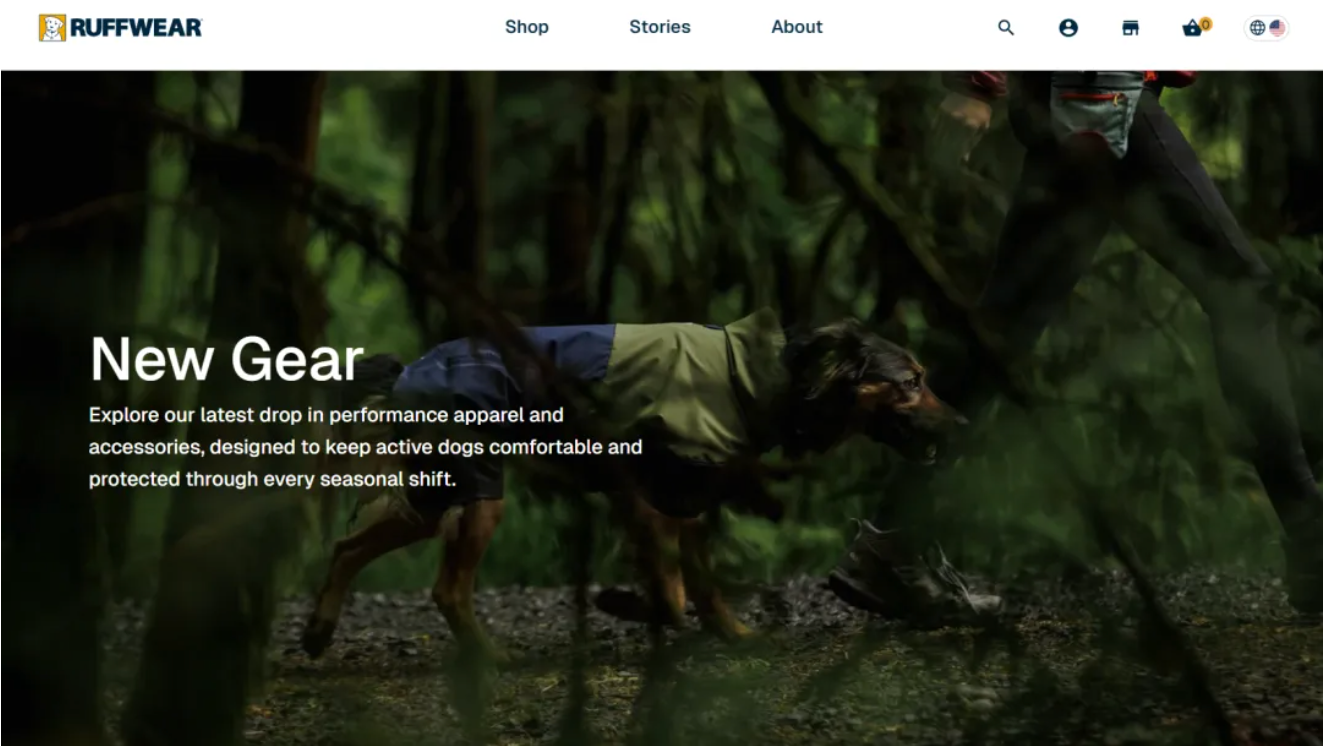
The brand's origin story is deeply personal. Founder Patrick Kruse spent his childhood backpacking with his family and their dogs. At just 12 years old, frustrated that he could not carry both his own gear and the dog's supplies, he hand-crafted his first dog backpack, allowing his canine companion to share the load. This childhood ingenuity planted the seed for his future career. Later in life, as an avid kayaker and sailor who always brought his dogs on adventures, Kruse realized there was a massive gap in the market for high-quality, reliable outdoor gear specifically designed for dogs.
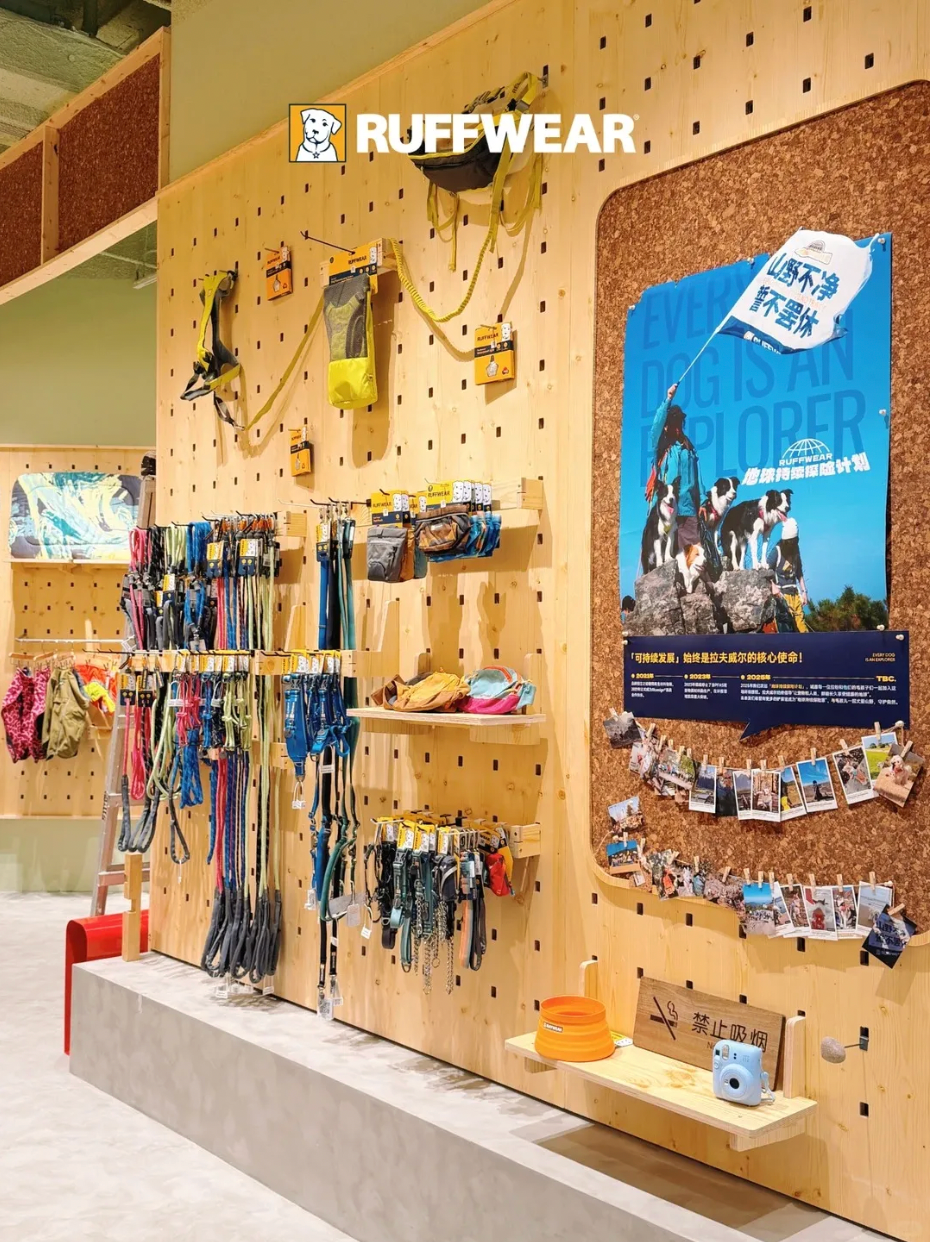
The turning point came during a cycling trip when Kruse noticed a friend struggling to give their dog water. In response, he designed the Quencher Bowl, a collapsible fabric water bowl perfect for active dogs on the go. This became Ruffwear's very first product, receiving massive acclaim when it debuted at the Salt Lake City Outdoor Retailer show in 1994. Today, operating under the motto "Every dog is an explorer," Ruffwear offers a comprehensive line of products including specialized dog bowls, hard-shell jackets, raincoats, hiking boots, leashes, collars, and their signature Float Coat life jackets. The new Shanghai store showcases this entire range of professional gear in a space designed with light wood tones and pegboards, striking a balance between professional utility and a relaxed, welcoming atmosphere.
The Future of Retail and Marketing Strategy
The arrival of these three diverse brands highlights a critical evolution in the landscape of Chinese marketing. It is no longer sufficient to simply import a global product and place it on a digital shelf. Consumers are demanding immersive narratives and specialized solutions for their specific hobbies, whether that is high-altitude trekking, family car camping, or adventuring with their pets.
To succeed, an international brand must seamlessly blend deep product expertise with localized retail experiences. Furthermore, they must master the nuances of Chinese social media to build communities around these niche lifestyles. By establishing physical footholds in key cultural hubs like Shanghai and Chengdu, Coleman, NANGA, and Ruffwear are not just selling products; they are actively participating in and shaping the future of outdoor culture in China.
Interested in exploring bespoke marketing tips and localized strategies for the Chinese market? Feel free to reach out to us!
