

The New Voice of Douyin: A Brand Guide to Audio Comments
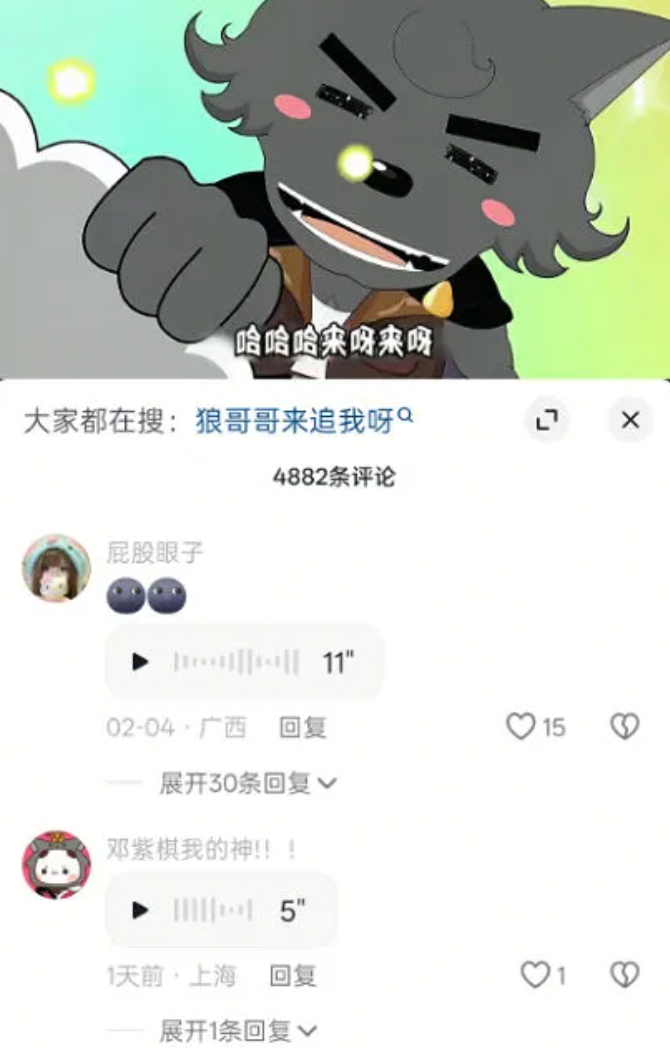
The landscape of digital interaction is undergoing a subtle but profound transformation. Douyin has officially begun testing a voice comment feature, allowing users to leave audio messages directly beneath videos. While a similar test was briefly conducted and halted in 2023 due to complex content moderation challenges, the rapid advancement of AI audio-recognition models has cleared the path for its return. Douyin is not alone in this endeavor; Xiaohongshu (Rednote) also initiated voice comment testing in late 2025, allowing users to post audio clips of up to 60 seconds. This synchronized move by two of the country's most influential platforms signals a deliberate shift toward richer, more dynamic community engagement formats.

Breaking the Textual Barrier
The primary motivation behind this feature is the fierce competition for user attention and time spent in-app. By introducing voice, platforms are attempting to build a closed "content-to-interaction" loop within the comment section itself. Text-based interaction naturally carries a cognitive barrier; it requires a certain level of articulation, literacy, and effort. Furthermore, textual communication often strips away nuance, frequently leading to misunderstandings and comment-section hostility. Voice, being the most primal and emotionally loaded medium of human communication, bypasses these hurdles. A simple "press and hold" mechanic invites participation from demographics previously alienated by text, such as the elderly or users in fragmented, on-the-go scenarios. More importantly, the tone, pitch, and pacing of a human voice deliver an authenticity and warmth that emojis simply cannot replicate, making the community feel profoundly more alive.
The Ambition for Voice Socialization
For content platforms, the core user action is swiping through videos or browsing lifestyle notes. However, the comment section has organically grown into a vital secondary consumption space—often as entertaining as the primary content itself. Introducing audio disrupts the homogeneity of text-based threads. Imagine the engagement potential for regional dialect challenges, spontaneous vocal covers, or passionate audio rants. Beyond mere engagement, this move hints at a broader ambition. From the brief global phenomenon of Clubhouse to various localized audio-room products, voice-based social networking remains a highly coveted sector. By integrating voice into the everyday comment experience, platforms like Douyin and Xiaohongshu are subtly laying the groundwork for deeper, voice-driven social infrastructures within their ecosystems.
The "Blind Box" Dilemma of Audio Consumption
Despite the clear advantages in engagement, voice comments introduce significant friction into the user experience. The most glaring issue is the clash of consumption pacing. The fundamental appeal of short-video platforms is their high-density, fast-paced, fragmented nature. Users can instantly swipe past uninteresting videos or quickly scan a dozen text comments in seconds. Audio comments, conversely, demand linear time investment. Listening to a voice note is akin to opening a "blind box"—the user has no idea if the content is valuable until they dedicate the time to hear it through. Additionally, technical nuances, such as jarring volume discrepancies between the highly produced video audio and raw, user-generated voice notes, require constant manual volume adjustments, creating a disjointed browsing experience. The longstanding controversy over lengthy voice messages on WeChat serves as a cautionary tale: not every user appreciates being forced to listen.
Strategic Implications for Global Brands
For international brands navigating the complexities of the Eastern digital landscape, the introduction of voice comments represents both a challenge and a unique opportunity. The era of managing communities with standardized, copy-pasted corporate text replies is ending. Brands must now consider the literal "voice" of their digital presence. A premium skincare brand, for instance, could deploy beauty consultants to leave soothing, personalized audio replies to consumer questions, instantly elevating the perception of customer care. Similarly, a mother-and-baby brand could foster deep emotional trust by having pediatric experts answer parental anxieties via warm voice notes in the comments. Furthermore, this opens up entirely new avenues for User-Generated Content (UGC) campaigns, encouraging audiences to participate through branded audio challenges.
Preparing for a Louder Digital Ecosystem
Ultimately, the transition toward audio comments reflects a broader desire for authentic human connection in an increasingly automated digital world. While platforms will undoubtedly wrestle with the heavy burden of audio content moderation and UI optimization, the trend toward multi-sensory community engagement is irreversible. For overseas enterprises seeking to deepen their roots in China, mastering this new dimension of communication will be essential. By actively adapting to these auditory tools, brands can foster unparalleled emotional resonance and secure a lasting competitive advantage in the future of Chinese marketing and the broader landscape of Chinese social media.
Interested in exploring bespoke marketing tips and localized strategies for the Chinese market? Feel free to reach out to us!
