

Why "The Human Touch" is Defining Chinese Marketing in 2026
Since 2020, the consensus among global brand managers has been to watch for "recovery" in China. However, as we navigate through 2026, it is clear that the market hasn’t simply bounced back—it has evolved. We are witnessing a paradox: consumers are hyper-rational about price points but surprisingly emotional about "vitality." This shift, summarized as the pursuit of "The Human Touch" (Huo Ren Gan), is the most significant trend currently reshaping Chinese social media and physical commerce.
Dining: Beyond Sustenance to "Live" Experiences
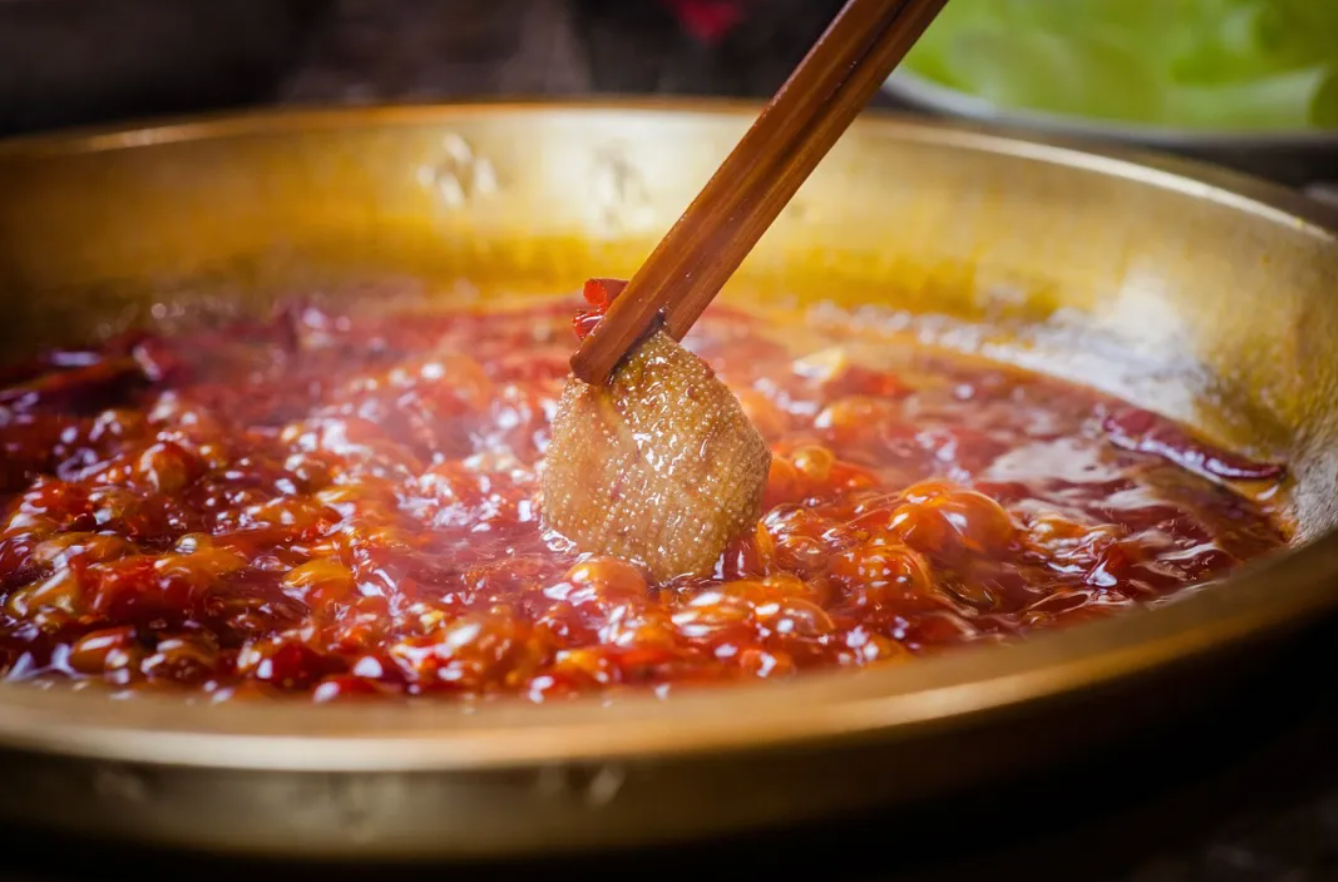
The F&B sector in China is currently facing a "traffic crisis." In response, the winning formula has shifted from "Product + Price" to "Product + Performance." We are seeing the rise of "Nightclub Hotpot," "Wrestling Dim Sum," and "Boxing Bars." Even traditional theater troupes are launching immersive dining experiences where actors interact with diners on stage.
This isn't just a gimmick; it’s a strategic pivot to provide a "new reason to visit." By creating scenes and atmospheres that trigger the desire for social sharing, these brands turn customers into active content creators for Chinese social media. Simultaneously, high-end brands are moving toward "street-stall" formats—setting up road-side stalls to sell affordable, high-quality "comfort food." These stalls bridge the gap between "Premium" and "Approachable," offering a visceral sense of vitality that a cold, polished mall restaurant simply cannot match.
Beverages: A "Sweet Break" for the Soul
The New Tea and Coffee industry in China has officially ended its aggressive expansion phase. As the market stabilizes, the "Matthew Effect" is taking hold. Giants like Mixue Bingcheng and Chagee are expanding rapidly, while pioneers like Heytea have had to consolidate.
In 2026, brand loyalty is secondary to "perceived value." Consumers are waking up to health consciousness, demanding fresh fruit and original leaf tea over artificial additives. A single "Lychee Ice Milk" can sell 12 million cups in 44 days because it offers transparency—fruit peeled on-site, visible freshness.
Beyond the liquid, the "Merchandise War" is at an all-time high. Consumers in China are increasingly buying a cup of coffee not for the caffeine, but for the limited-edition sticker, the designer paper bag, or the collaboration badge. This "Emotional Compensation" allows the busy urbanite to buy a ten-minute spiritual pause for the price of a $3 latte. It is a small "sweet treat" that validates their existence in a high-pressure environment.
Travel: Participation over Sightseeing
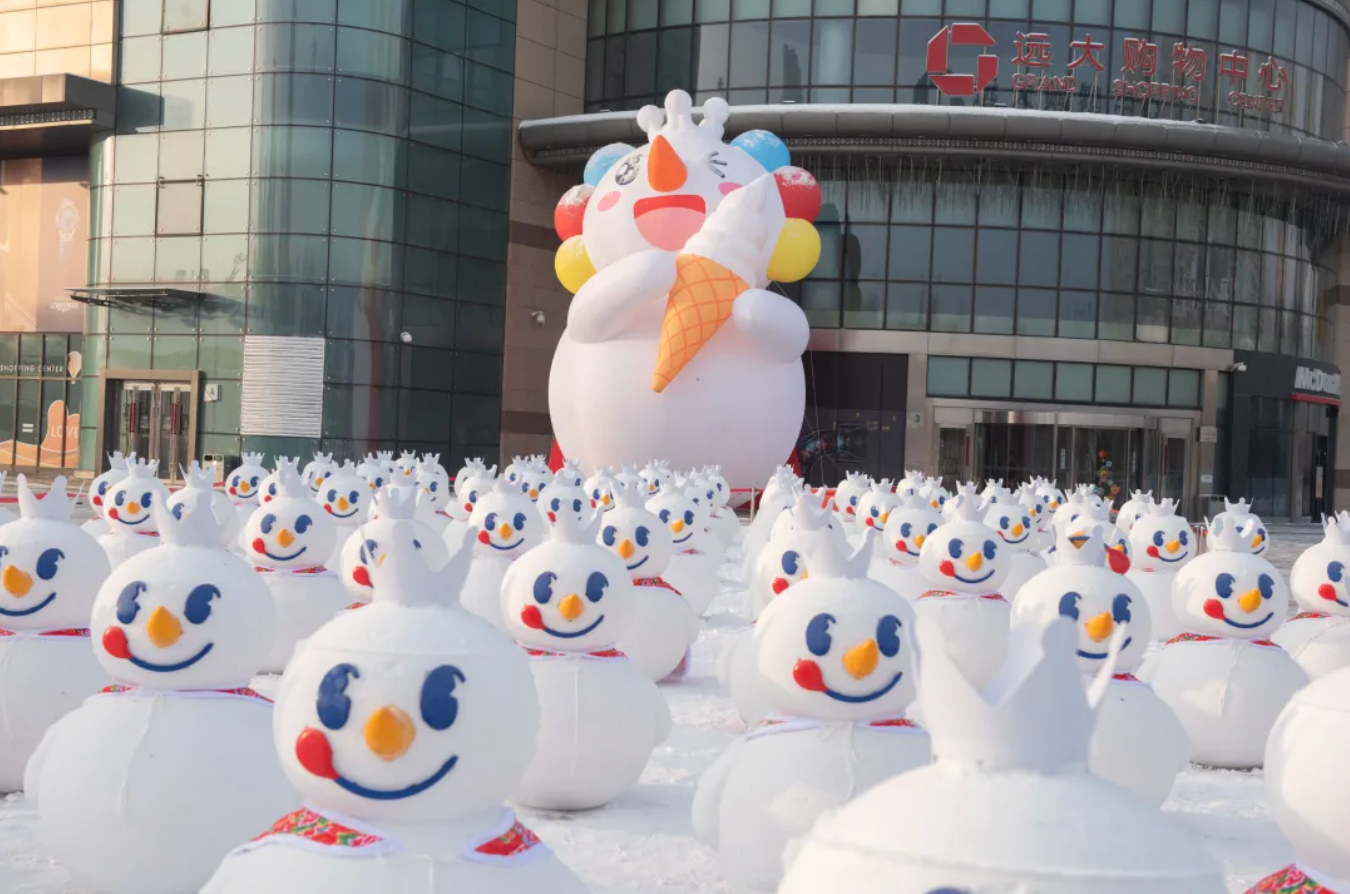
The 2025-2026 tourism boom in China is the purest expression of "The Human Touch." Data shows an 18% year-on-year growth in domestic travel, but the way people travel has changed. The "New Citywalk" is no longer about famous landmarks; it’s about visiting local morning markets and night stalls to soak in the "Yan Huo Qi" (the smell of cooking and life’s bustle).
Furthermore, "Immersive Rural Tourism" and "NPC-driven Theme Parks" are exploding. At parks like Kaifeng’s Wanshuishan, thousands of actors engage visitors in real-time role-playing games. Visitors aren't there to watch a show; they are there to be in the show. This mastery over one's own experience provides a sense of certainty and agency that is often missing in their daily macro-environment.

Conclusion: The Era of Emotional Certainty
If we analyze the macro-data, the Chinese marketing landscape in 2026 is stable but pragmatic. People are not spending less; they are spending differently. There is a widespread hesitation toward "heavy assets" like real estate or luxury cars, but a passionate recovery in "light, emotional consumption" like concerts, healing retreats, and artisanal coffee.
Psychologically, this is an "Emotional Compensation Mechanism." When the macro-environment feels uncontrollable, consumers regain a sense of mastery through small, immediate, and tangible feedback loops. They are rejecting "standardized, soulless" products in favor of experiences that create memories.

As we look toward the future, the dividing line between success and failure for global brands in China won't be price or category. It will be whether the brand can make the consumer feel alive. In an uncertain era, "The Human Touch" is not just a marketing keyword; it is a collective return to authentic feeling and psychological certainty. Brands that can offer this sincere, "living" connection will be the ones that stay in the consumer's heart and shopping cart.
Related: what international brands can learn from China's best brand experiences.
Explore Chinese content localization and production.
Contact Lotus to turn human insight into locally resonant content.
