

Winning China 2026: 10 Iconic Campaigns (Part I)
For international brands, the Chinese social media environment often feels like a fast-forward version of the global market. Trends ignite and extinguish in weeks, and the consumer's appetite for novelty is insatiable. To succeed, brands must move beyond traditional advertising and embrace "Social-First" storytelling. Here are five groundbreaking campaigns from the past year that define the current state of Chinese marketing.
1. The "Red, Yellow, Blue" War: A Pun-Driven Masterclass
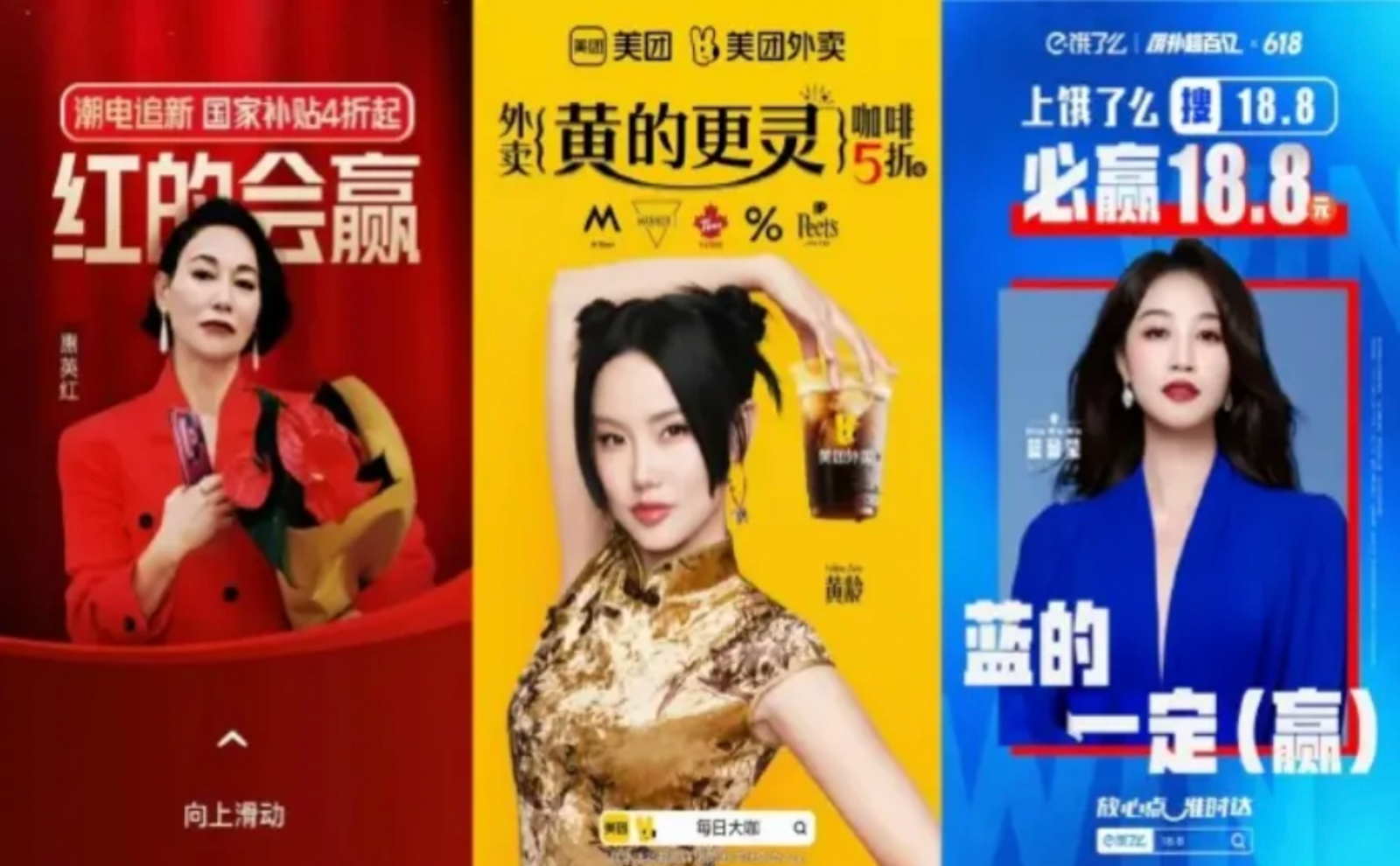
In the summer of 2025, China's three delivery giants—Meituan (Yellow), Ele.me (Blue), and JD.com (Red)—turned the internet into a playground. Instead of competing on subsidies, they competed on puns. Meituan started by hiring singer Huang Ling (whose surname means "Yellow"), using the slogan "The Yellow one is more effective." Ele.me instantly retaliated by hiring actress Blue Win-Win (Lan Yingying), claiming "The Blue one will win." Not to be outdone, JD.com joined the fray with veteran actress Kara Wai (Hui Yinghong, "Hong" meaning Red).
This campaign followed a simple but lethal logic: Brand Color + Celebrity Pun + Core Message. By condensing complex marketing info into high-memory slogans, they achieved massive organic reach. It proved that in an era of peak traffic costs, creative speed and user participation are far more effective than burning cash for subsidies in China.
2. The "Su Chao" Football League: Local Pride as a Digital IP
The Jiangsu "Su Chao" City Football League evolved from a local sports event into a national phenomenon. The core of this Chinese marketing success was "co-creation." Major media outlets and the brand Hailan Home worked together to tap into intense regional pride. Fans created their own "memes" based on local food and history, such as the "Morning Tea Derby."
Hailan Home transitioned from a mere sponsor to the "Chief Fan Officer," giving away free tickets and launching city-themed T-shirts. This allowed the brand to become a symbol of local pride. With over 11 billion views on short-video platforms, the "Su Chao" campaign demonstrated how to turn a regional event into a massive digital IP that drives both cultural influence and tourism revenue.

3. Luckin x Duolingo: The "Brand Marriage" Drama
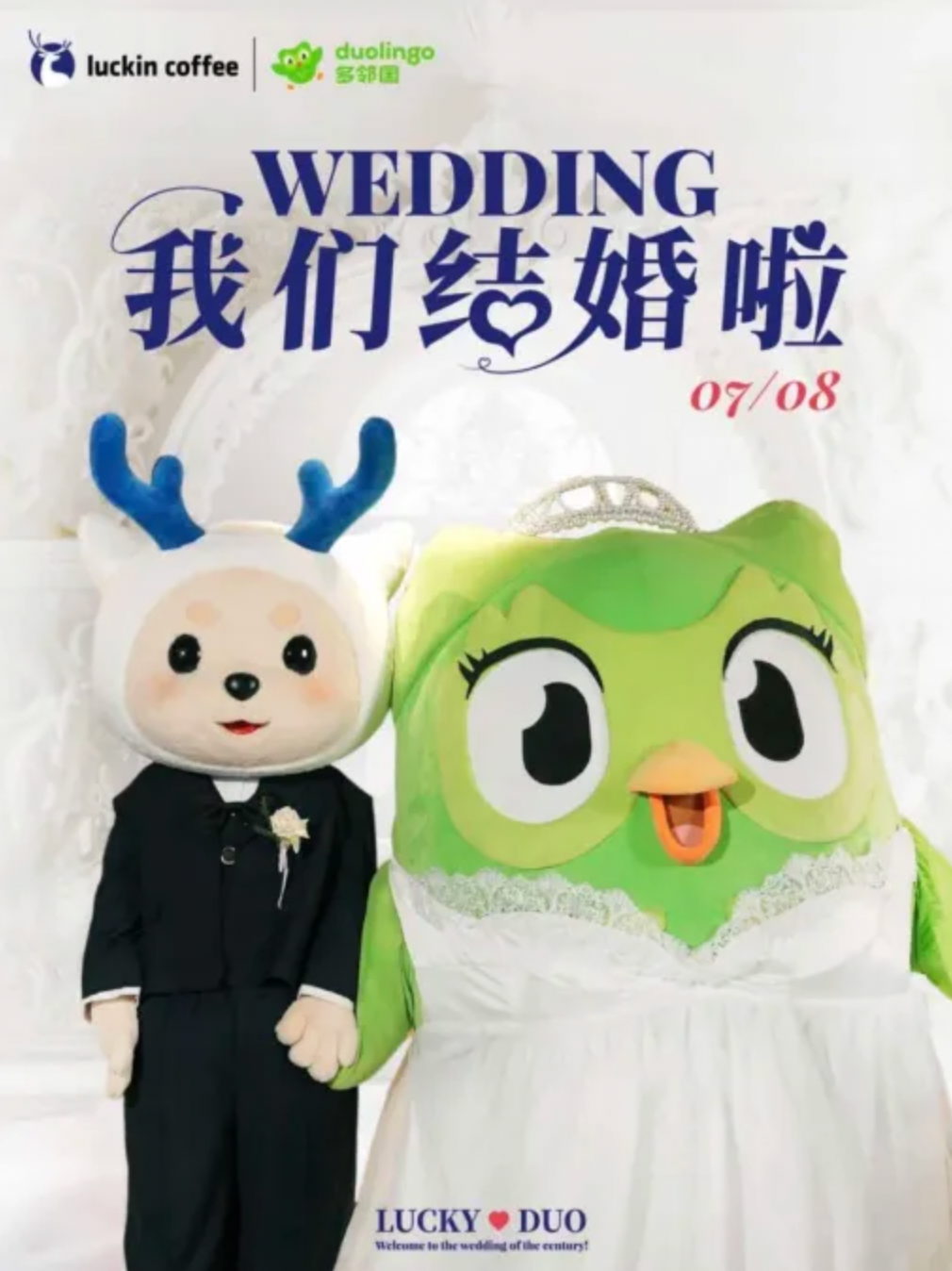
In July 2025, Luckin Coffee and the language-learning app Duolingo took cross-branding to a theatrical level. They didn't just launch a drink; they launched a "marriage." The campaign started with a teaser about a "July Wedding," prompting hundreds of other brands to join the conversation as "wedding crashers."
The brands released a three-episode mini-drama, launched the "Green Matcha Latte" (matching Duolingo’s color), and even designed a "Duo Butt Cup" that became an instant collectible. By turning a product launch into a dramatic narrative with cliffhangers and "marriage drama," they saw a 41.2% increase in orders. This provided a new template for how global brands can use storytelling to stand out on Chinese social media.
4. Yili: The Ultimate New Year "Dazi"
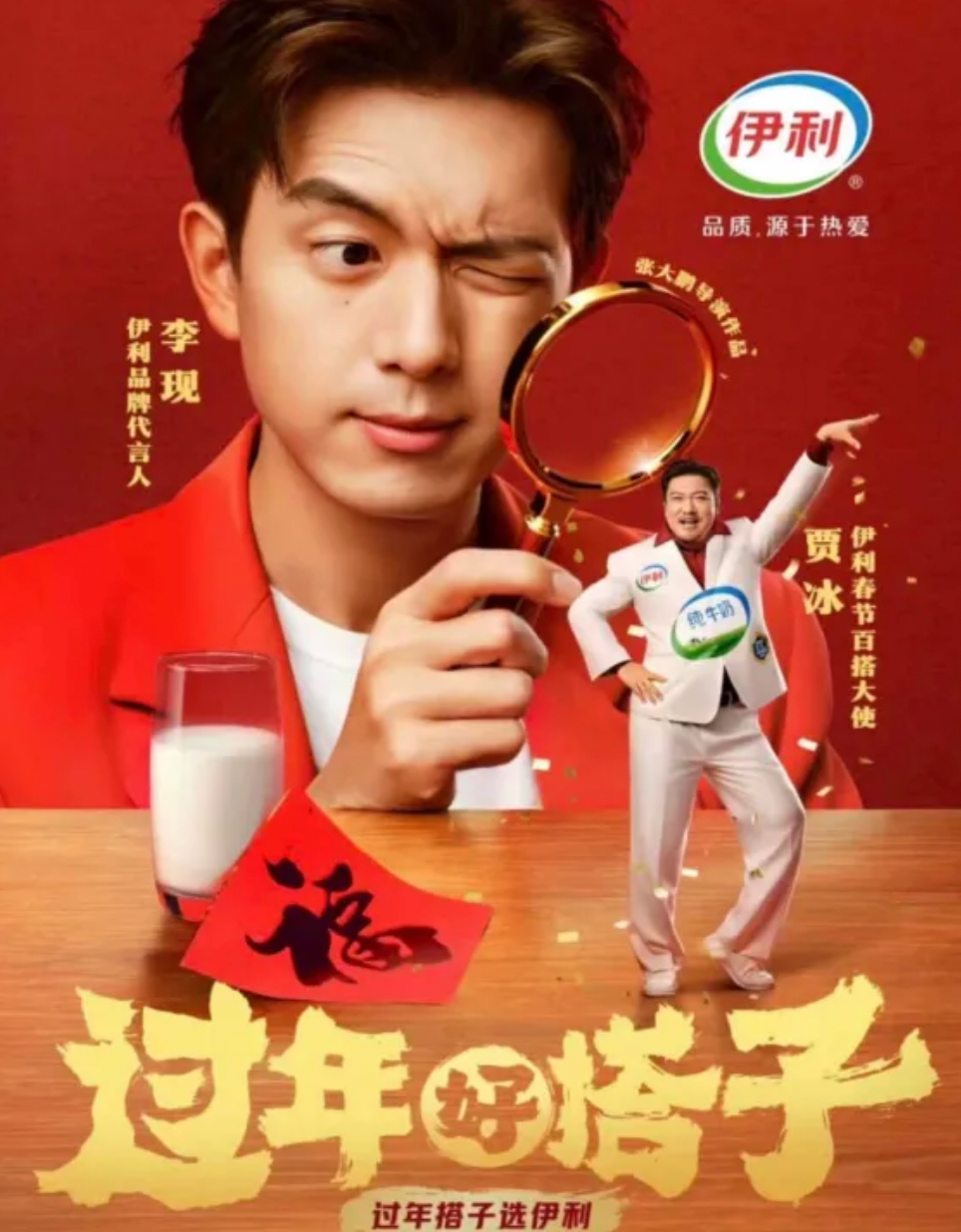
During the 2025 Spring Festival, the dairy giant Yili bypassed the usual "tears and nostalgia" trope. Instead, they tapped into China's "Dazi" (Partner) culture—a trend where young people find specific companions for specific activities. Yili positioned its milk as the "Best New Year Partner" (Dazi).
Featuring actors Li Xian and Jia Bing in a comedic TVC, they used self-deprecating humor and relatable scenes (like trying to fit milk boxes into a crowded car trunk). Slogans like "Is it really honorable if I’m not in your shopping cart?" resonated with Gen Z’s sense of humor. This lighthearted approach helped Yili break through the noise of traditional holiday marketing, resulting in a 60% year-on-year sales increase.
5. Haier: The "Listening" Executive Matrix
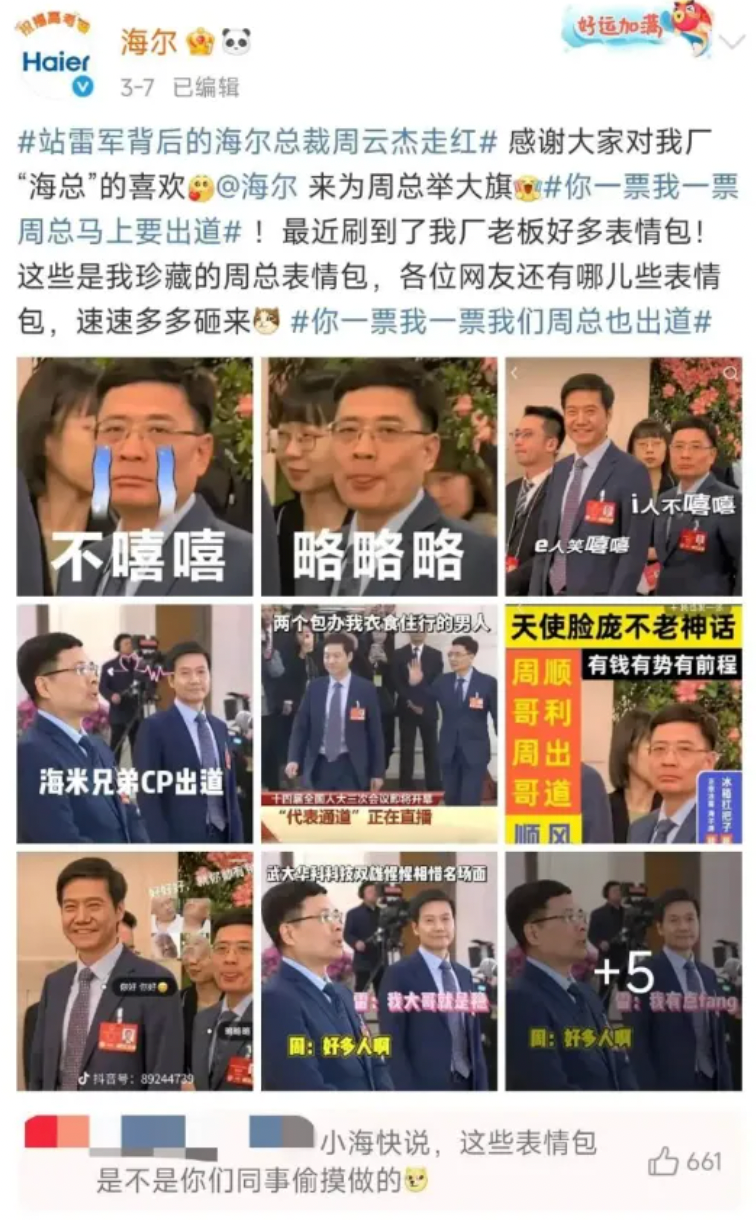
When Haier’s CEO went viral for an accidental expression caught on camera at the "Two Sessions," Haier didn't stay silent. They launched him on Douyin as a "Brand Representative" rather than a typical influencer. Within 72 hours, 14 top executives joined social media, speaking local dialects and showing off high-tech gadgets.
Haier turned their comment section into a "Wishing Well." When users asked for a three-tub washing machine, Haier designed and pre-sold 88,000 units in three days. By showing they were "Tingquan" (listening to advice), Haier bridged the gap between a traditional manufacturing giant and the digital-native consumer. This level of responsiveness is the gold standard for Chinese marketing in 2026.
Conclusion: The Rules of the Game in China
These cases illustrate that success in China requires brands to be agile, humorous, and deeply connected to local subcultures. Whether it's through puns, drama, or active listening, the goal is to stop being an "advertiser" and start being a "content creator." In the vibrant world of Chinese social media, if you can't join the conversation, you will quickly be forgotten.
Related: Winning China 2026—10 Iconic Campaigns (Part II).
Explore Chinese content localization and production.
Contact Lotus to turn campaign lessons into a China content plan.
