

8 Viral Marketing Masterclasses from CES 2026
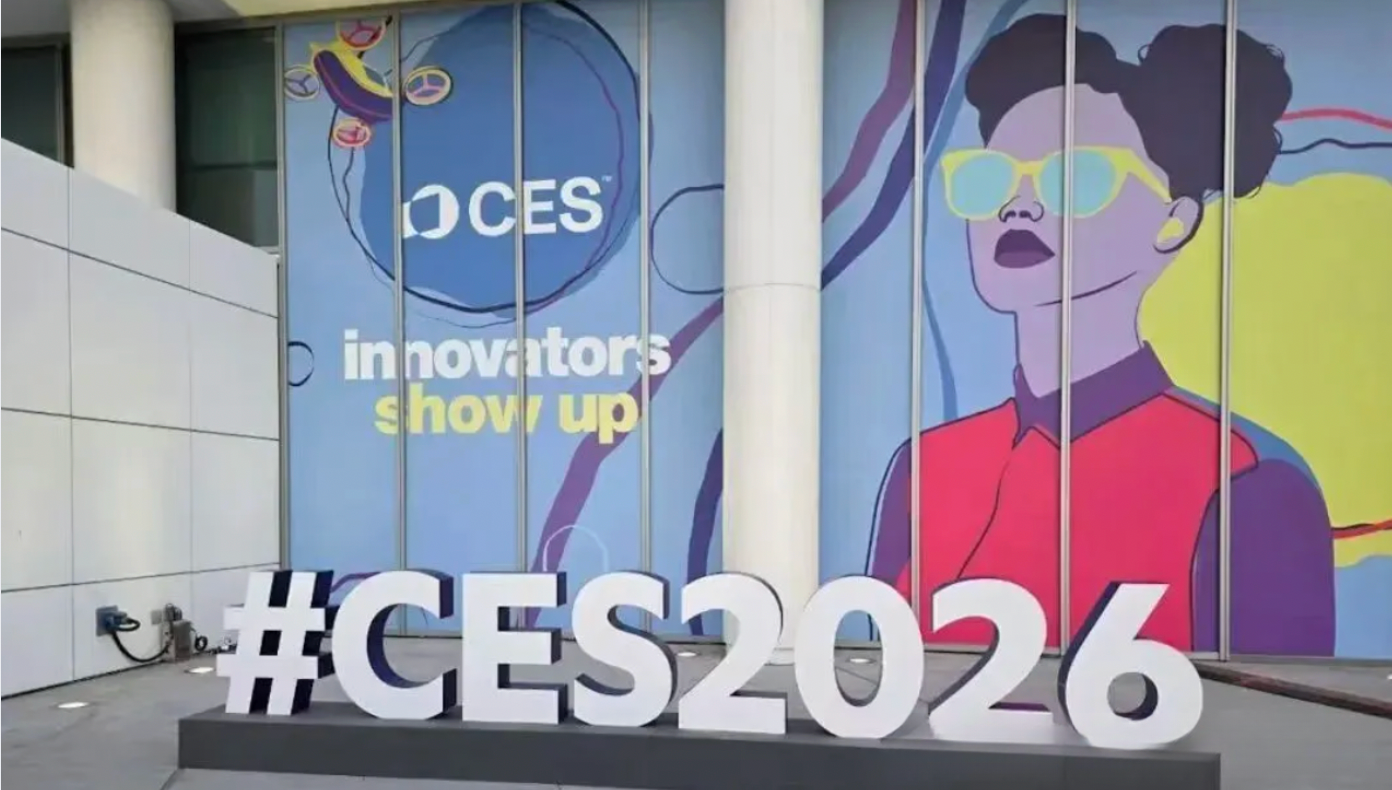
Walking the sprawling floors of CES 2026, it becomes immediately apparent that the era of simply placing a shiny new gadget on a pedestal is over. In a hyper-connected world where attention is the ultimate currency, brands must evolve from hardware manufacturers into cultural orchestrators. This year, several brands—many of them hailing from China—demonstrated extraordinary agility in blurring the lines between offline experiential marketing and online viral phenomena. For overseas brands aiming to establish a foothold in the competitive Asian market, these eight case studies offer a profound look into the psychological triggers and strategic maneuvers that drive modern consumer engagement.
Bridging Cultural Anchors with Disruptive Hardware
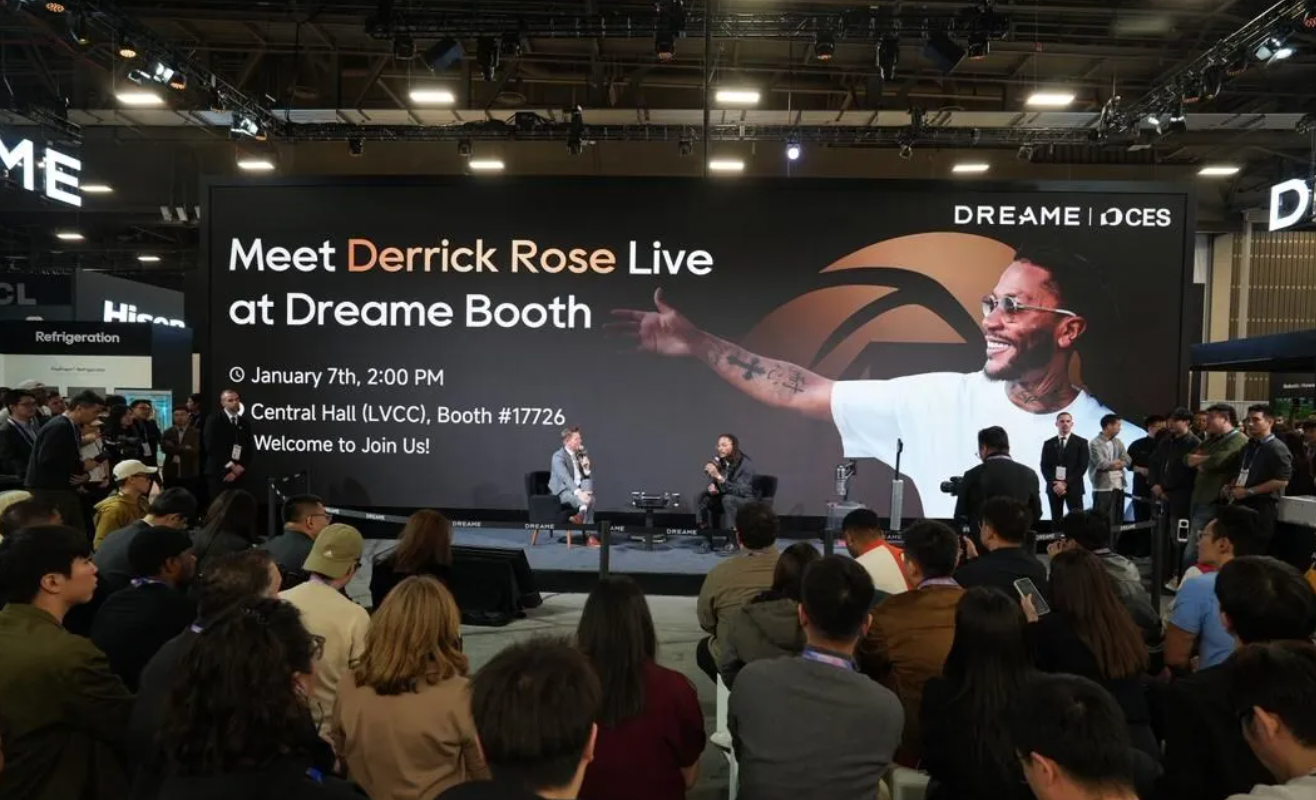
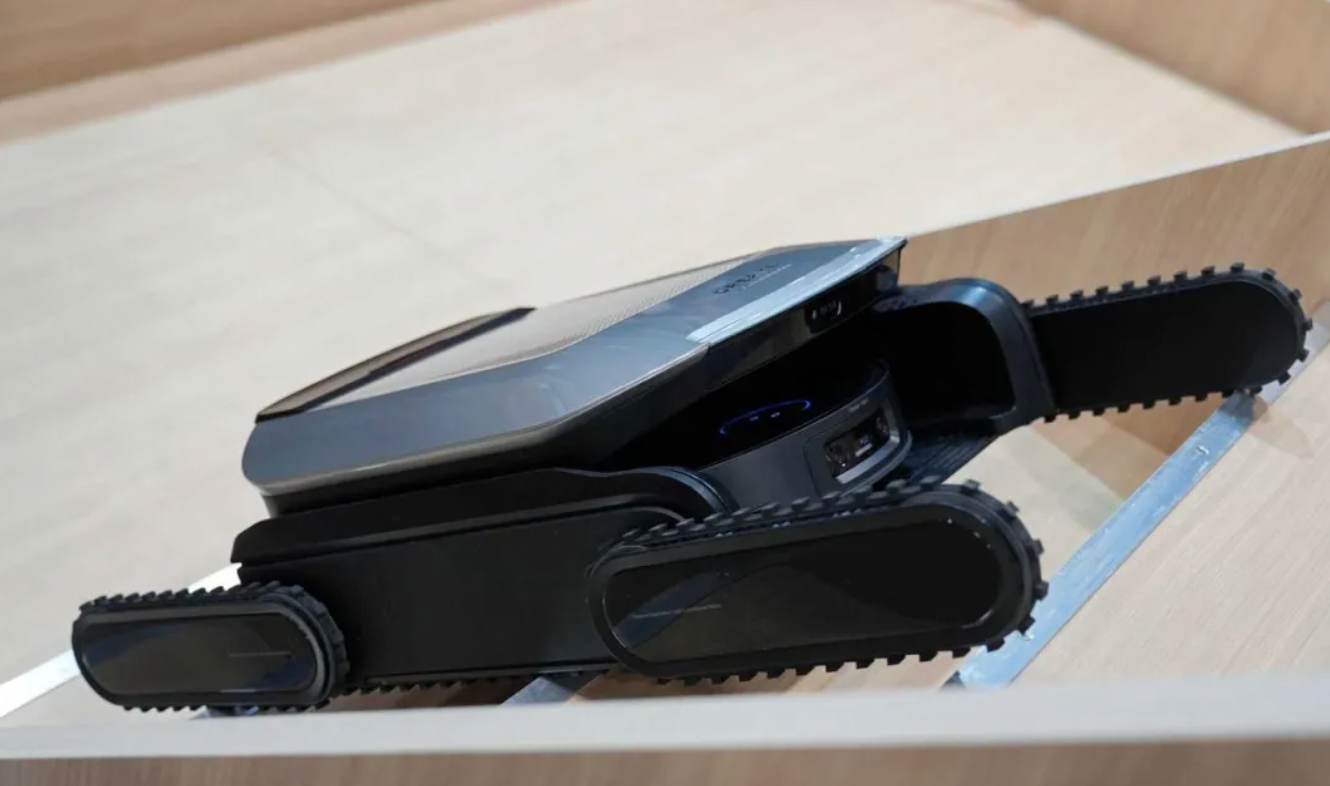
The first masterclass in attention-hijacking comes from the smart home appliance brand Dreame. They understood that to cut through the technological noise of CES, you need a cultural anchor. By inviting NBA MVP Derrick Rose to their booth, they bridged the gap between sports culture and consumer tech. This cross-industry collaboration instantly ignited a firestorm of discussion across Chinese social media platforms like Weibo and Rednote. However, star power alone is fleeting. Dreame anchored this hype with genuinely disruptive products. They unveiled the "Cyber X," a futuristic cleaning robot capable of navigating stairs—shattering the two-dimensional limitations of traditional robot vacuums. But their true viral centerpiece was a hairdryer designed to look exactly like a sleek floor lamp. By audaciously reimagining the physical posture of hair drying, they challenged our basic assumptions about home living. This product was immediately picked up by major tech outlets like The Verge, proving that bold, lifestyle-oriented AI concepts are the ultimate catalyst for organic digital word-of-mouth.
Low-Cost Physical Touchpoints as Viral Catalysts
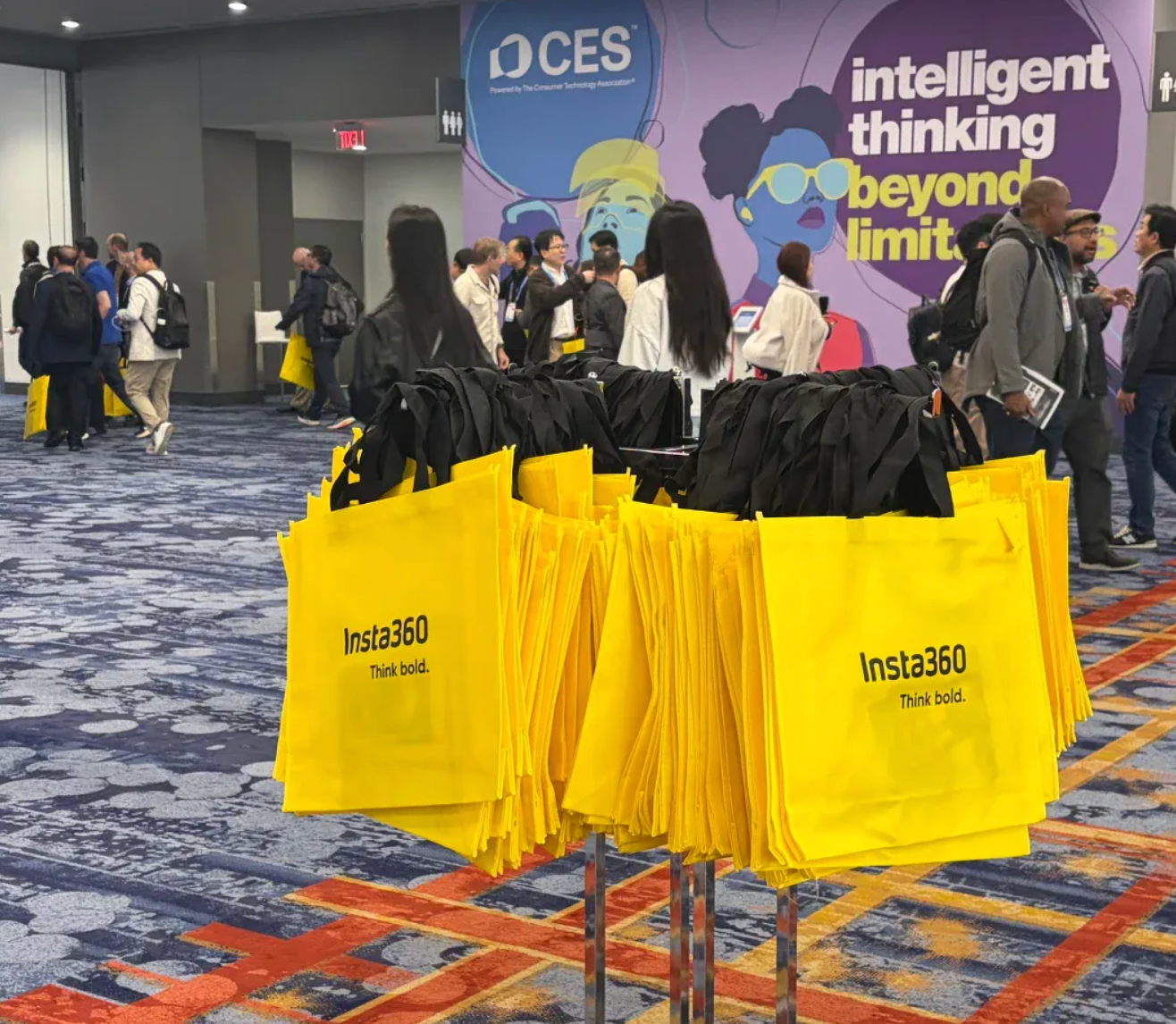
Equally brilliant, but fundamentally different in execution, was Insta360’s approach to visual marketing. While competitors spent millions on towering digital billboards, Insta360 engaged in a masterstroke of guerrilla marketing. On the opening day, they placed simple racks at almost every major entrance and exit, hanging hundreds of bright, unmistakable yellow tote bags. The design was minimalist, and the material was inexpensive. Attendees, burdened with brochures and promotional materials, naturally grabbed them. In an instant, thousands of exhibition-goers were transformed into walking, highly visible billboards for Insta360. As tech influencers filmed their vlogs and journalists snapped photos, that signature yellow populated the background of almost every piece of content generated at the event. It was a spectacular demonstration of how a minimal physical investment can leverage massive, free organic distribution, generating immense brand goodwill in the process.
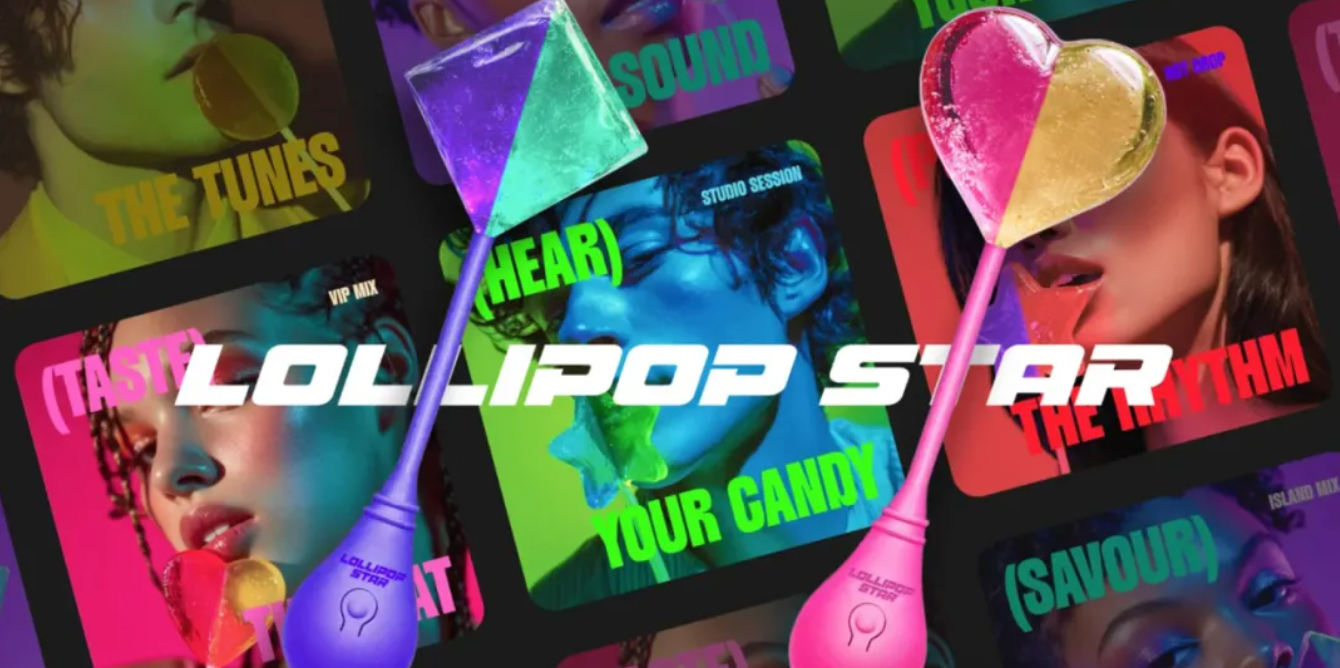
Sometimes, the most disruptive marketing comes in the smallest packages. Enter the Lollipop Star, a product that flawlessly executes the "content as a product" strategy. On the surface, it appears to be a simple piece of candy. In reality, it is an interactive tech toy that utilizes bone-conduction technology to transmit music directly into the user’s head as they consume the lollipop. To elevate the cultural relevance, the brand collaborated with artists like Ice Spice and Akon, syncing specific musical tracks with custom flavors. This product was virtually engineered for social media virality. It creates a private, astonishing sensory experience that users are desperately eager to film and share. When the act of using a product is inherently performative, your consumers become your marketing agency.
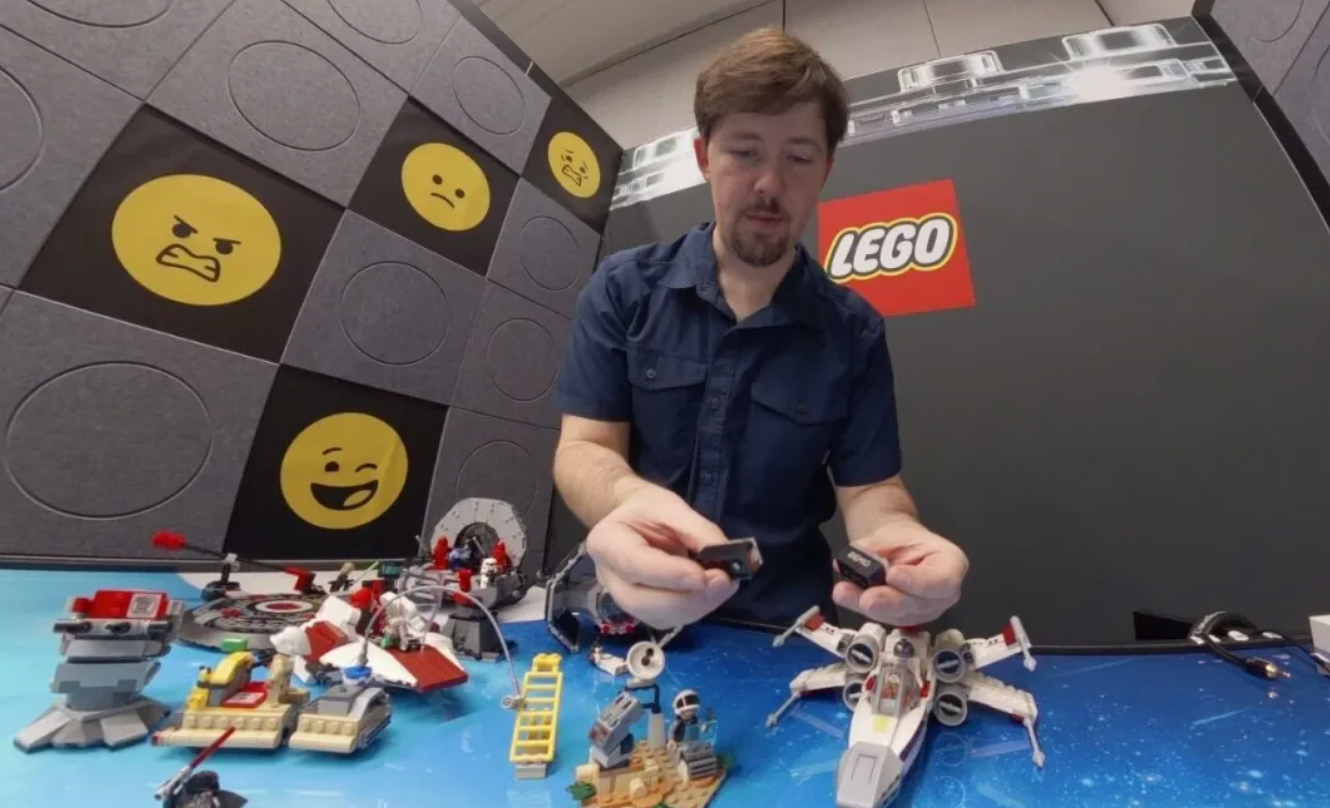
Lego, a brand built on physical interaction, also recognized the necessity of bridging the physical-digital divide with its Smart Bricks. Instead of merely showcasing static structures, Lego constructed a fully immersive VR180/8K video demonstration. They allowed attendees to step inside a virtual Lego universe. This was not just an exhibition; it was a content-generation engine. By providing visitors with a mind-bending, highly visual experience, Lego ensured that footage from their booth would flood TikTok and YouTube. They understand that in today’s ecosystem, if an offline experience cannot be easily captured and shared online, its marketing value is severely diminished.
The Power of IP Synergy and Emotional Connection
In the realm of high-performance computing, ASUS ROG utilized its 20th anniversary at CES 2026 to demonstrate the power of cultural IP integration. Rather than just announcing a slate of new motherboards and laptops, they partnered with the legendary Kojima Productions to release co-branded hardware. Gaming is no longer a solitary hobby; it is a sprawling cultural identity. By merging their cutting-edge hardware with the deep, narrative-driven lore of a beloved game development studio, ASUS ROG bridged the gap between hardcore tech enthusiasts and passionate pop-culture fans. This strategy generated cross-community dialogue, ensuring that their anniversary was celebrated far beyond the confines of the traditional PC hardware press.
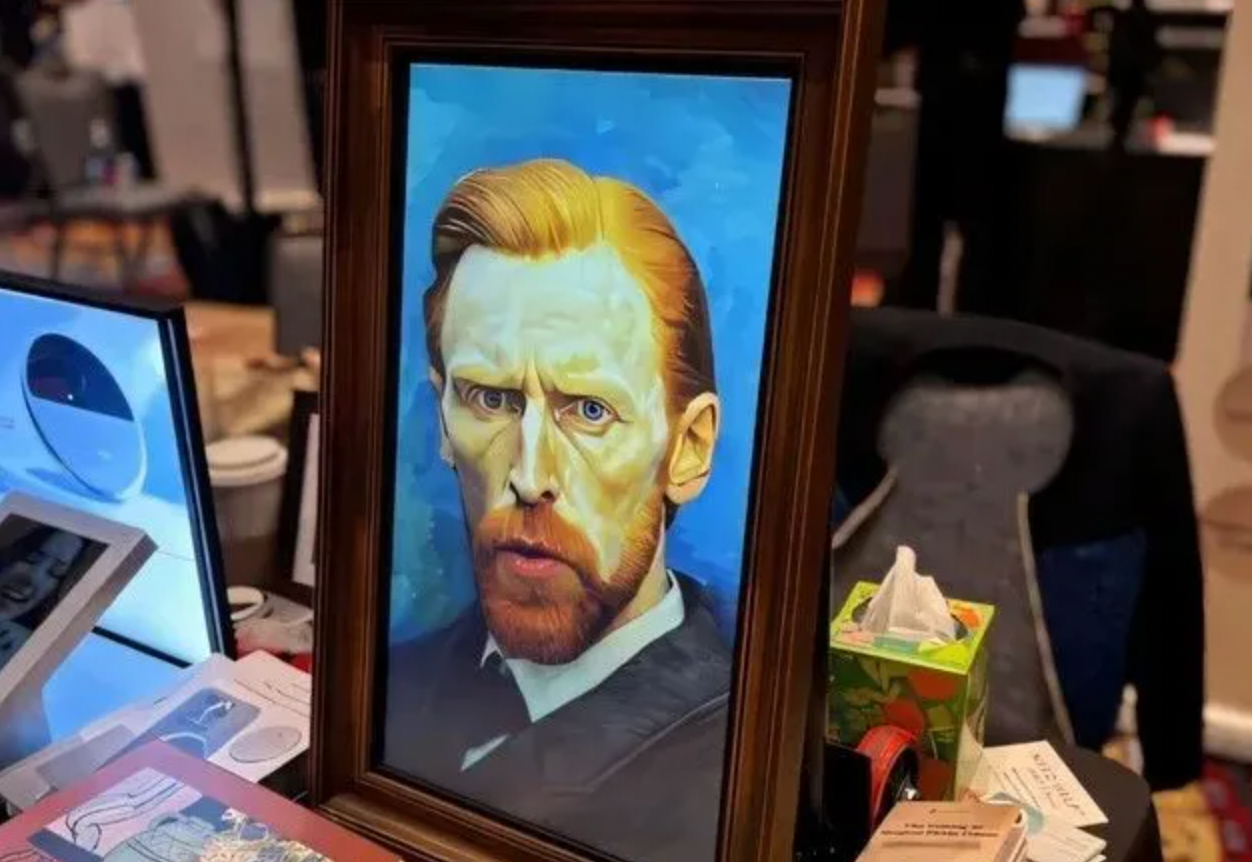
While much of CES is focused on raw computational power and artificial intelligence capabilities, Vinabot (Xiaohua) took a radically different, human-centric approach. They introduced an "AI Magic Photo Frame" whose core selling point was not pixel density or processing speed, but emotional companionship. This AI frame can respond to its owner, engage in interactive dialogue, and express distinct emotions. Amidst a sea of cold, functional robotics, Vinabot offered a narrative of empathy. Their booth was constantly overflowing with attendees eager to experience technology that felt "alive." By transforming the abstract concept of AI into a tangible, emotionally resonant product story, they secured extensive coverage from global mainstream media. They proved that technology that touches the heart often speaks louder than technology that merely dazzles the mind.
Precision Engineering in Modern Branding Mechanics
Behind the scenes of these product launches, the mechanics of marketing itself are evolving, as demonstrated by Turing Market. They introduced an "AI + KOL (Key Opinion Leader) Precision Matching" solution. Historically, influencer marketing has often been a game of volume—paying numerous influencers and hoping for a return on investment. Turing Market utilized complex AI matching algorithms to connect brands with the creators whose audiences perfectly aligned with the product's target demographic. By focusing on conversion probability rather than sheer follower count, they facilitated campaigns where a single, well-matched short video could generate over 400,000 views in just ten hours. For overseas brands attempting to navigate the labyrinth of influencer partnerships, this shift from "volume-driven" to "accuracy-driven" marketing is a game-changer for scalable growth.
Finally, the presence of Chinese automotive giants Geely and Great Wall Motors signaled a paradigm shift in industrial branding. They did not rely on flashy slogans or traditional aesthetic reveals. Instead, they anchored their CES presence entirely around the concept of "Software-Defined Vehicles." By providing deep, technical demonstrations of their intelligent cabins, proprietary operating systems, and advanced driver-assistance architectures, they communicated a powerful message of technological supremacy. They let the engineering speak for itself, proving to global tech and automotive media that the future of mobility is being coded in the East. This strategy of radical transparency and technical confidence is the strongest possible brand signal a company can send.
In conclusion, the overarching narrative of CES 2026 is that traditional broadcasting is dead. The brands that won the show did so by crafting experiences, leveraging cultural overlaps, and turning their users into active participants in the brand story. For international enterprises looking toward the East, these eight cases are more than just success stories; they are the new rulebook. To thrive in the complex ecosystem of Chinese marketing, brands must adopt this agile, boundary-pushing mindset. Whether through an emotionally intelligent photo frame or a cleverly placed yellow tote bag, the path to succeeding in China requires a perfect blend of technological innovation and deep psychological insight.
Interested in exploring bespoke marketing tips and localized strategies for the Chinese market? Feel free to reach out to us!
