

Global Health Brands on Douyin
There was a time when you trusted a health supplement because you found it on a pharmacy shelf. In China today, you might trust it because a scientist explained the clinical data on a 20-minute livestream — and it made sense.
On April 29, 2026, Haleon — the consumer health company behind Centrum and Caltrate — reported on its Q1 earnings call that its Douyin business in China had grown 100% year-on-year. CEO Brian McNamara was candid about the opportunity ahead: "We have a good base on Douyin, but we see a much bigger opportunity." For a company operating in one of the world's most competitive health supplement markets, that kind of growth is notable. But the number itself is almost secondary to how they achieved it.
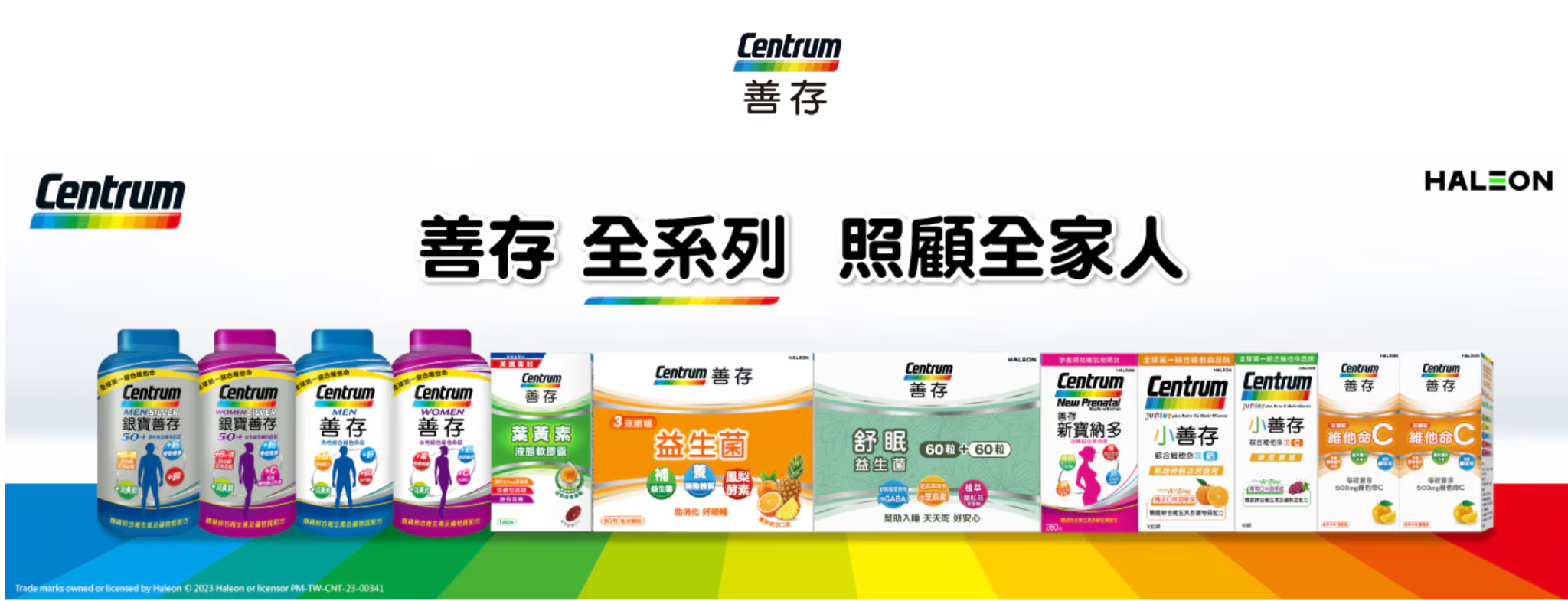
Haleon didn't build that growth by hiring the most popular influencers or spending its way to the top of the algorithm. It brought its scientists into the livestream studio. According to Haleon's own communications, the people doing live selling on Douyin aren't KOLs — they're members of the brand's scientific team. In a category where consumer skepticism runs high and misinformation runs higher, this turned out to be a remarkably effective strategy. And it says something important about where Chinese marketing is heading.
Why Scientific Credibility Works as Content
To understand why this approach landed so well, it helps to understand what Haleon actually had to work with. Centrum has 40 years of clinical data accumulated in the Chinese market. Caltrate's bone health research spans multiple generations of consumers. These aren't abstract assets — they're decades of documented science that most newer brands simply cannot replicate overnight.
The insight Haleon acted on was this: those scientific assets, which previously lived in research papers and medical conferences, could be reformatted into short videos and livestream talking points. When a scientist in a white coat explains why a specific calcium formulation supports bone density differently across age groups — citing real trial data — it's not the same as a polished ad. It feels like information. And in China's health supplement space, where consumers have become increasingly wary of exaggerated marketing claims, that distinction matters enormously.
The trust mechanism in Chinese marketing for health products has historically followed a very specific path: consumer walks into a pharmacy, sees a familiar brand on the shelf, asks the pharmacist, and buys. Trust was built through physical presence in regulated retail channels, reinforced by word-of-mouth from medical professionals. For international brands, cracking this system required years of channel-building and relationship development with medical communities — a slow, expensive process.
Douyin's content commerce ecosystem offers a different route entirely. By presenting scientific evidence directly to consumers in an engaging format, brands can build trust without needing to first win shelf space. The credibility comes from the content itself, not from the channel it sits in. That's a meaningful structural shift — and one that particularly favors international brands with deep research archives and long product histories.
What This Means for the Competitive Landscape
Haleon's results on Douyin reverberate differently depending on where you sit in the market.
For domestic challenger brands, this represents a genuine escalation of competitive pressure. Over the past few years, Chinese brands like WonderLab built strong positions in content commerce through influencer networks and relatable storytelling. Others, like Wu Ge Nv Boshi (Five Female PhDs), built consumer trust through a science-forward brand narrative. These were effective strategies precisely because most international incumbents hadn't yet figured out how to operate credibly in the content-first environment of Chinese social media.
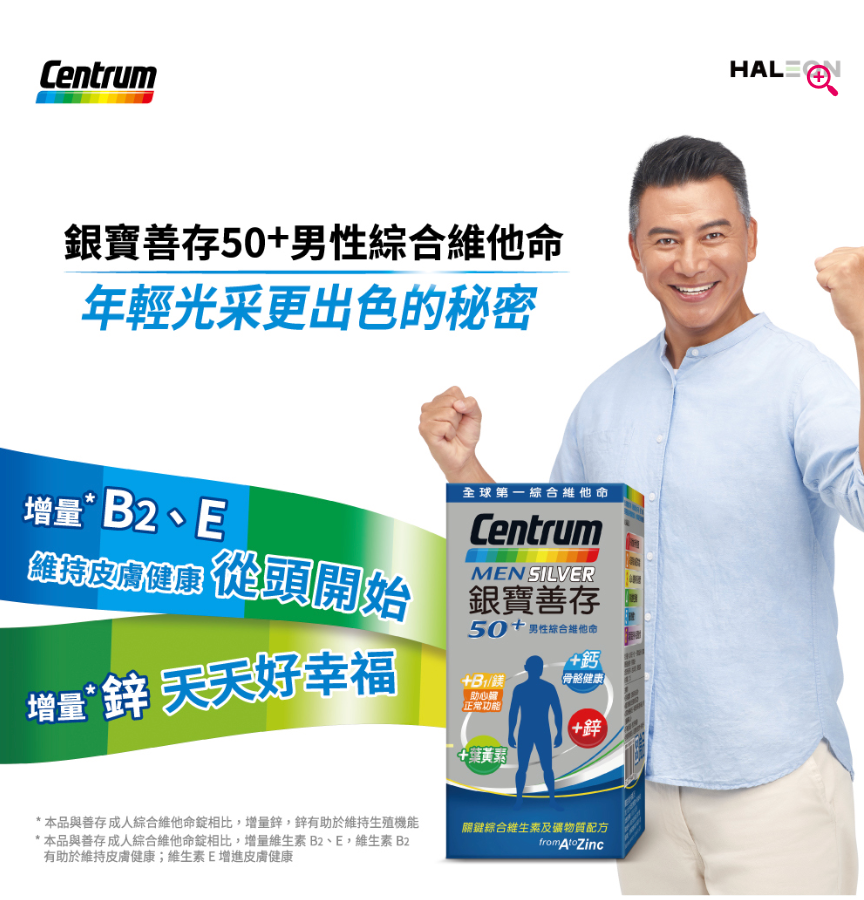
Haleon's playbook changes the equation. When a global brand arrives with 40 years of clinical data, a larger content budget, and a scientifically literate team willing to go on camera, the content commerce space becomes significantly more competitive. The authenticity advantage that domestic brands cultivated through relatable creators is now being matched — and in some cases exceeded — by the scientific authority advantage that only comes from decades of genuine R&D investment.
For other international health brands, the signal is equally significant. Australian brands like Swisse and Blackmores, and science-led labels like Doctor's Best, all have comparable research histories. The difference is that most of them haven't yet figured out how to convert those research histories into content assets that perform on Chinese social media. Haleon has now validated that the model works. The question for international peers isn't whether to pursue a similar approach — it's how quickly they can build the internal content capability to execute it.
The Specific Role of Cross-Border E-Commerce
There's another layer to this story that's worth examining: cross-border e-commerce, and the particular kind of flexibility it gives international health brands in China.
China's regulatory environment for health supplements is complex. Obtaining the "blue hat" certification — the official approval required to market a product as a health food in China — is a lengthy, resource-intensive process that can take years. During that waiting period, brands are essentially locked out of mainstream retail channels for those specific products.
Cross-border e-commerce provides a compliant workaround. Products sold through bonded warehouse models or direct cross-border shipping don't require blue hat certification in the same way domestic products do. This means international brands can introduce cutting-edge ingredients — such as ergothioneine or NMN, compounds that are still awaiting domestic regulatory approval — to Chinese consumers through cross-border channels while the formal approval process runs in parallel.
The strategic value here isn't just commercial. It's relational. Brands that maintain a content presence and product availability during the compliance waiting period stay connected to early adopters — the consumers who actively follow new health science trends and have the highest willingness to try and advocate for new products. In a category where consumer education takes time, staying in the conversation during regulatory waiting periods is genuinely valuable. Cross-border e-commerce, in this context, is less a sales channel and more a sustained brand touchpoint during a period when traditional channels aren't yet accessible.
The Deeper Shift: Content as a Trust Infrastructure
Haleon's 100% growth on Douyin is a headline. But the more durable insight it points to is about how trust itself is being constructed differently in Chinese marketing — especially in health-related categories.
The old trust architecture looked like this: physical presence in regulated retail, professional endorsement from doctors or pharmacists, and brand familiarity built over years of consistent above-the-line advertising. This model rewarded patience and capital. It was slow to build but sticky once established.
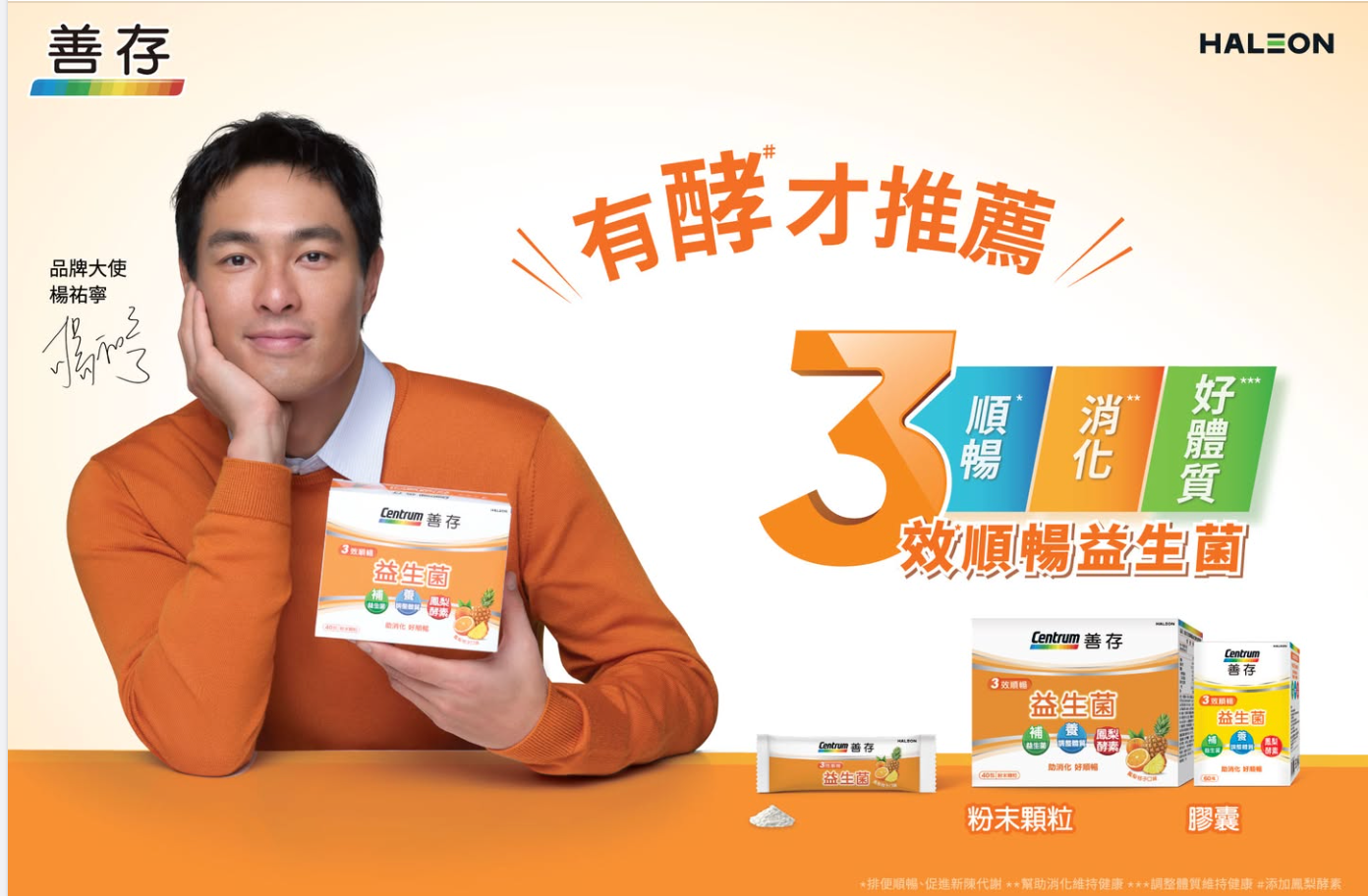
The emerging trust architecture looks different. A consumer scrolls through Douyin, encounters a video of a scientist explaining the mechanism behind coenzyme Q10 and cardiovascular health — citing actual clinical data — decides it makes sense, and places an order. The trust here isn't borrowed from an institution (the pharmacy, the doctor's office). It's earned through the quality of the explanation itself. The consumer is evaluating the argument, not just the brand name.
This has significant implications for what international brands need to be good at in China. For most of the past three decades, the core competencies for winning in Chinese health supplements were R&D (to have credible products) and distribution (to get those products in front of consumers). Content capability was a supporting function, not a strategic one.
That balance is shifting. The ability to translate clinical research into compelling short-form video content, maintain scientific rigor at the pace that Chinese social media demands, and identify scientists or researchers who can communicate accessibly on camera — these are becoming genuine competitive differentiators. They're not skills that most international brand teams have developed by default. Building them takes deliberate investment.
The brands that recognized this transition early — and Haleon is now clearly in that group — are accumulating an advantage that compounds over time. Content libraries grow. Audience trust deepens. Algorithmic performance improves with data. For brands that are still treating content as an afterthought in their China strategy, the gap is widening.
What International Brands Should Take Away
The practical implication isn't simply "hire scientists to go on livestream." The underlying principle is more transferable than that: in China's health supplement market, your most valuable marketing asset may already exist in your research files — it just needs to be translated into a format that works on Chinese social media.
Decades of clinical studies, proprietary formulation data, long-term efficacy research — these are the kinds of assets that most large international health brands have in abundance and most domestic challenger brands cannot quickly replicate. The question is whether your China marketing strategy is set up to surface and deploy them effectively.

Haleon's results suggest that when international brands do get this right — when they bring genuine scientific depth into content commerce in a format that respects the consumer's intelligence — the market responds. Strongly.
The window for building this kind of content advantage isn't unlimited. As more international brands validate the model and invest in content capability, the bar for what counts as credible science content will rise. The brands that move with intention now will be better positioned than those waiting for the playbook to become standard.
Chinese marketing is increasingly a competition not just for shelf space or ad inventory, but for consumer trust — and in this category, trust is being built one well-explained study at a time.
Interested in exploring bespoke marketing tips and localized strategies for the Chinese market? Feel free to reach out to us!
