

Douyin E-commerce Shift: What Brands Should Know
Douyin E-commerce merchants and creators have noticed an important change in platform metrics. Paid GMV, the long-used measure of transaction volume at payment, is no longer the only core signal behind traffic allocation. Settled GMV, which reflects transactions completed after fulfillment and refunds, is becoming more important.
This may sound technical, but the business impact is direct. Livestream rooms that relied on aggressive scripts and impulse sales are seeing traffic pressure. Creators with high return rates are losing algorithmic weight. Merchants with better product selection and stronger service are receiving more stable traffic. In simple terms, Douyin E-commerce is trying to squeeze out inflated growth and reward real transactions.

Why the Metric Change Matters
Paid GMV counts the order value when a user pays, even if the order is later refunded or cancelled. Settled GMV counts the value after the transaction is actually completed. The gap between the two numbers is the platform's 'water': fake transactions, impulsive orders, refund-heavy sales and low-quality conversion.
As Douyin E-commerce matures, fast top-line growth is no longer enough. The platform has already achieved massive scale, but continued reliance on paid GMV can damage user trust. If users are pushed into mismatched products through aggressive advertising or livestream pressure, they may buy first and return later. That creates short-term numbers but weak long-term platform health.
The shift also reflects organizational change. When advertising and e-commerce goals are better aligned, the platform has more reason to match products with users who are likely to keep them, not just users who can be pushed into clicking.
From Selling More to Keeping More
For merchants, the new rule changes the operating logic. In the past, some sellers could rely on low prices, heavy media buying and high-pressure livestreaming to create impressive paid GMV. Even if return rates were high, strong payment numbers could still attract traffic. Under a settled-GMV logic, high returns become a direct traffic risk.
The platform is effectively asking a different question. Not how much did you sell at the moment of excitement, but how much of that sale became a real, satisfying transaction? This pushes merchants to improve product accuracy, expectation management, fulfillment, customer service and after-sales operations.
For international brands, this is a healthy but demanding development. Douyin is not only a place for exposure. It is becoming a platform where the entire transaction experience affects future visibility.
What This Means for International Brands
International brands entering Douyin E-commerce should be especially careful with three areas. The first is product promise. Short video and livestream content need to be attractive, but they must not overstate results, function, size, quality or suitability. Overpromising may win orders but also increases returns and complaints.
The second is product-market fit. Some overseas hero products may not match Chinese consumer habits, body types, usage scenarios, climate, homes, gifting occasions or price expectations. Testing should happen before large-scale traffic investment. The third is service design. Delivery, packaging, local customer service, refund handling and product education all affect whether a paid order becomes a settled order.
This is especially important in categories such as beauty, health supplements, apparel, home appliances, parenting and food. These categories often involve high expectation gaps. Clear content, real user education and category-specific compliance are essential.

Douyin Is Moving Toward Full-Domain Commerce
The settled-GMV shift also shows why Douyin is building beyond pure interest in e-commerce. Content-driven commerce is powerful because it creates demand when consumers are not actively shopping. But it also naturally carries a higher chance of regret. A user sees a livestream, feels excitement, buys quickly and later reconsiders.
To improve transaction quality, Douyin needs stronger shelf scenarios, search, store operations, self-operated channels, customer service tools and AI-assisted matching. AI can help merchants produce better content, improve ad efficiency, support customer service and guide users toward more accurate decisions. The final goal is to reduce transaction friction and make each order more solid.
The Takeaway
Douyin E-commerce is not abandoning growth. It is redefining good growth. For international brands, the platform's new direction should be welcomed, because strong brands benefit when the ecosystem rewards quality, trust and repeatable service rather than only short-term hype.
The brands that perform best will not be those that create the loudest livestream. They will be the ones that connect content, product truth, fulfillment and customer experience into one system. In Chinese social commerce, the next competitive advantage is not just selling fast. It is making consumers keep what they buy. Interested in exploring bespoke marketing tips and localized strategies for the Chinese market? Feel free to reach out to us!
How Brands Should Prepare Their Douyin Operations
International brands should prepare for Douyin by auditing the full path from content promise to after-sales service. If the content creates expectations that the product cannot satisfy, the settled-GMV logic will expose the weakness quickly. This is why product claims, before-and-after demonstrations, sizing guidance, ingredient explanations and delivery promises all need careful review.
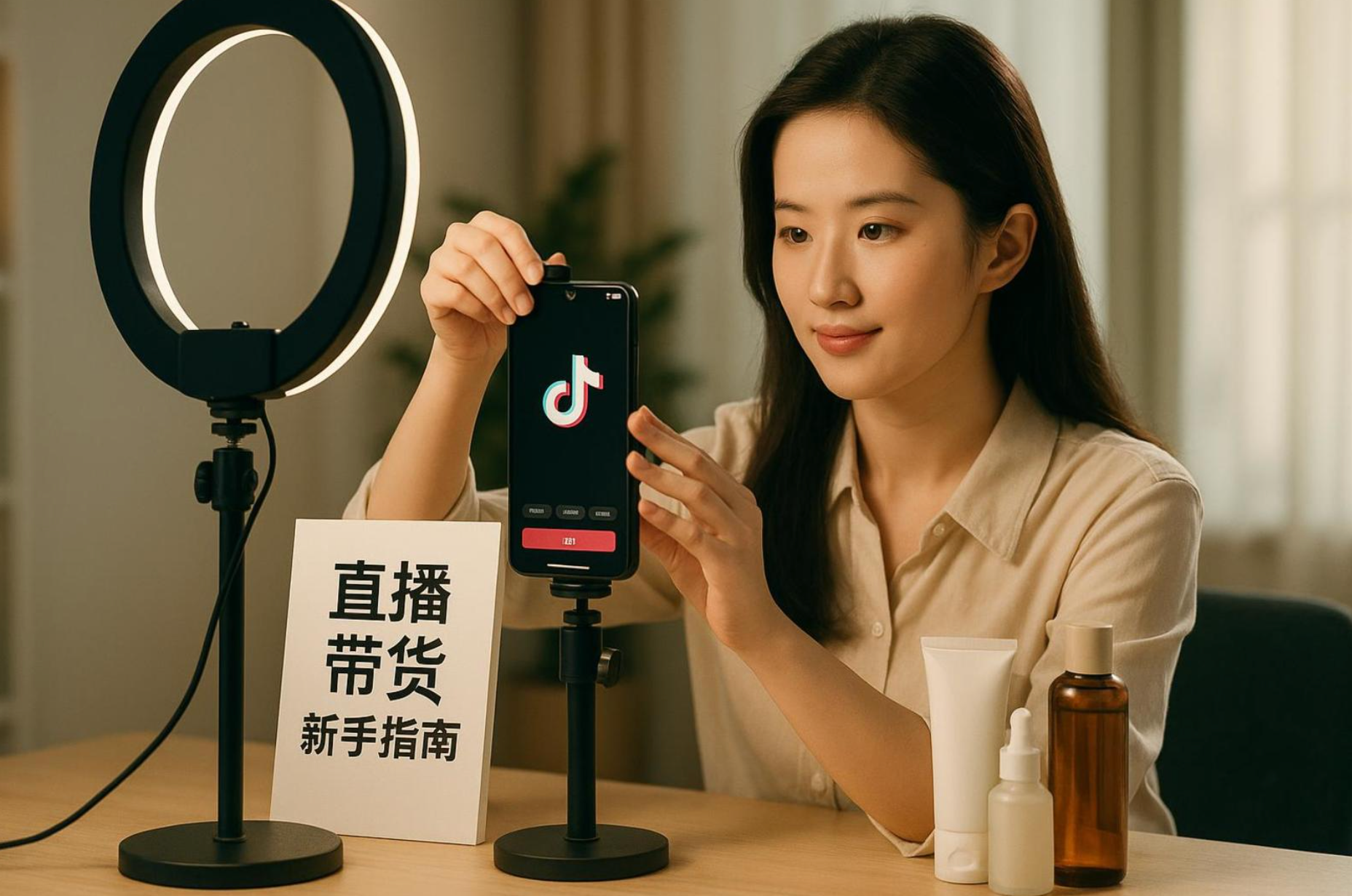
Brands should also separate testing from scaling. Before large media investment, they can test different content angles, price points, product bundles, creator types and service scripts with smaller budgets. The goal is to find not only what creates orders, but what creates orders that consumers keep.
A healthier Douyin strategy combines short video education, livestream conversion, shelf search, store reputation and customer service. When these pieces work together, the brand is less dependent on one high-pressure livestream. That is especially important for international brands that want to protect long-term reputation while using Chinese social commerce for growth.
Ready to build a customized growth strategy for your brand in China? Let’s connect and talk through your roadmap!
