

Rednote for International Brands: A Complete Guide to Building Your Account from Zero
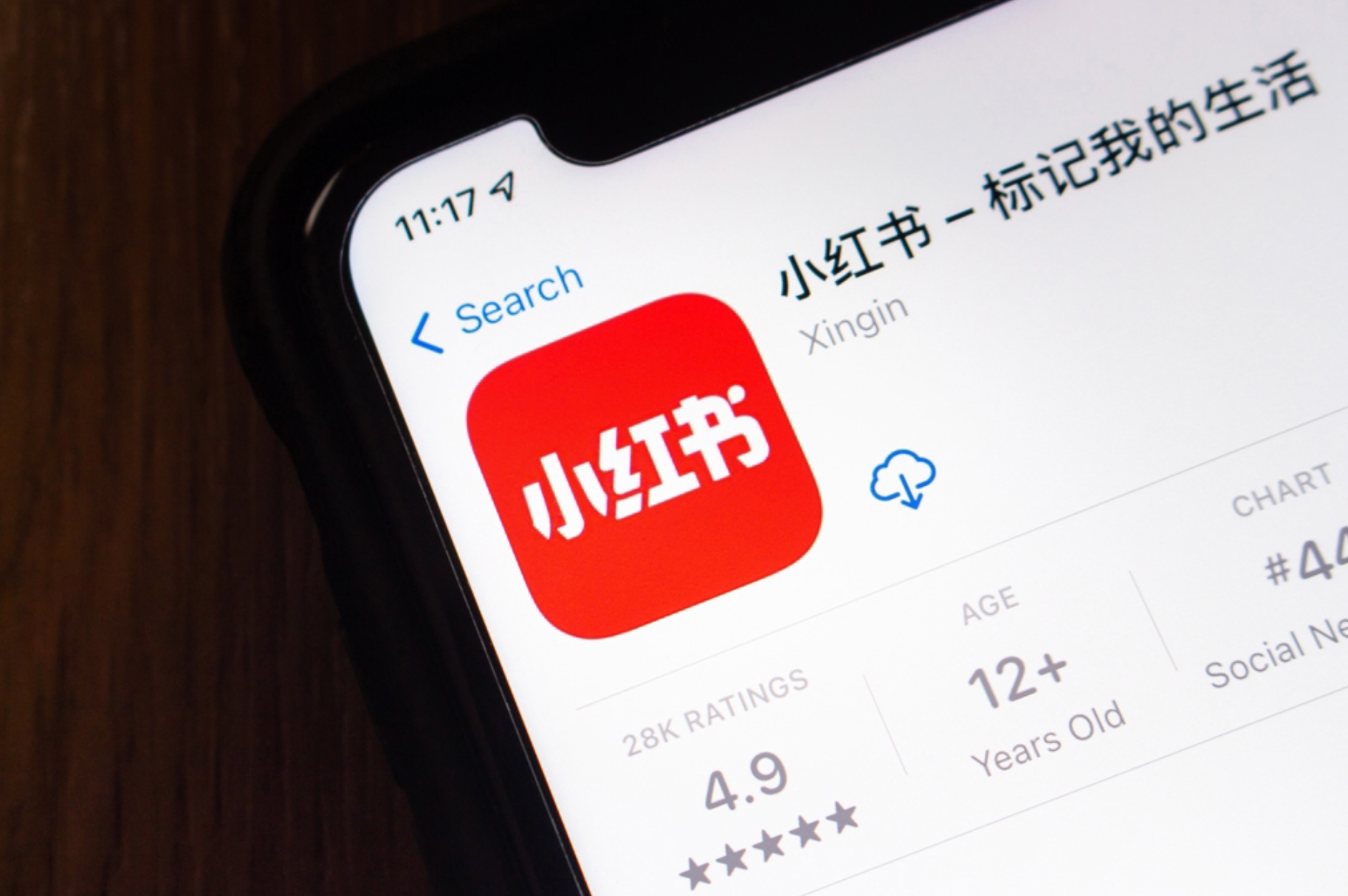
If you're an international brand operating in or entering China, Rednote — known in Chinese as Rednote — is no longer optional. With over 300 million posts published on the platform every single day, it has become the primary space where Chinese consumers discover products, research purchases, and form brand opinions. Think of it as the intersection of Instagram, Pinterest, and Google Search — all operating inside one of the most commercially sophisticated consumer ecosystems in the world.

But showing up on Rednote and actually building something meaningful there are two very different things. The platform has its own content logic, algorithmic rules, and audience expectations — all of which have evolved significantly heading into 2026. International brands that treat it like any other Chinese social media channel, or worse, repurpose content built for Instagram or TikTok, will find themselves invisible.
This guide covers the 10 core pillars of Rednote strategy — from understanding how the platform makes money work, to creating content that the algorithm rewards, to building an audience progressively and avoiding the mistakes that silently suppress your reach. Whether you're starting from zero or trying to fix an account that isn't gaining traction, there's a clear framework here to work from.
Start With Your Monetization Model
Before you post a single piece of content, there's a foundational question worth answering clearly: how does this platform connect to your actual business goals? Many brands launch on Rednote without thinking this through, spend months building an audience, and then find they have no clear path from followers to revenue.
Rednote supports four primary monetization models, and the right one depends on your brand structure. The first is brand partnership content, where accounts with 1,000 or more followers can activate the platform's official creator marketplace (Pugongying) and attract paid collaboration opportunities — this works well for content-led brands with strong aesthetics but no direct product inventory on-platform. The second is direct in-app commerce, where brands sell physical or digital products directly through Rednote's native shopping functionality, with transactions completed inside the platform. The third is affiliate-style sales, where creators or brand accounts attach product links to posts and livestreams and earn commission on resulting purchases — well suited to accounts that have built credibility in a specific category. The fourth is private domain redirection, where Rednote content is used to drive high-intent consumers off-platform to WeChat or other owned channels for deeper conversion — particularly effective for high-ticket products or services that benefit from one-on-one communication.
For most international brands in China, a combination of direct commerce and private domain redirection is the most practical starting point. The key is deciding which model you're optimizing for before you design your content, because the two approaches require meaningfully different content strategies.
How Rednote's Algorithm Actually Works in 2026
Understanding the algorithm isn't optional — it's the foundation of everything else. Rednote's 2026 updates have made the platform significantly more sophisticated in how it evaluates and distributes content, and several of the changes are counterintuitive for brands coming from other platforms.
The platform now uses an AI-powered content scoring model called ACE (AI Content Evaluation), which assesses every post across three dimensions before determining its distribution. Original content is required — the system flags posts with more than 15% similarity to existing content and suppresses their reach accordingly. Information density matters: posts where substantive, useful content accounts for less than 60% of the overall material are scored lower. And visual engagement is measured at a granular level — specifically, whether more than 75% of viewers watch through the first three seconds of a video.
Beyond the ACE model, Rednote uses a weighted engagement scoring system (CES) that treats different types of interaction very differently. A follow generated by a post is worth eight points. A comment or share is worth four. A like or save is worth one. This weighting system has a significant practical implication: comments matter far more than likes, and follows matter most of all. Content designed to generate genuine conversation — not just appreciation — is structurally advantaged.
The platform has also introduced several hidden signals that brands need to be aware of. Posts where more than 45% of viewers drop off in the first three seconds of a video trigger an automatic reach reduction. Comments longer than eight characters that include specific situational context are weighted at three times the value of generic comments. And engagement velocity that looks artificial — specifically, a situation where more than 50% of likes arrive within seconds of posting — results in a scoring penalty. Rednote is actively filtering for genuine community interaction, and the algorithm is increasingly good at detecting the difference.
One of the most significant 2026 updates is the elevation of social sharing signals. Content shared via private message now generates 300% more downstream traffic weight than it previously did. Content saved to collections drives 150% more subsequent exposure. Posts shared from Rednote to WeChat receive additional algorithmic support. The practical implication: content that people genuinely want to send to someone else is now one of the highest-value formats on the platform.
Building Posts That Actually Perform
With the algorithm context established, here's how it translates into content construction. High-performing posts on Rednote in 2026 tend to follow a consistent structural logic, regardless of category.
Titles are the entry point, and they need to earn a click within three seconds. The most reliable formula combines an emotional hook, a specific number, and an element of curiosity or tension — something that makes the reader feel both intrigued and slightly incomplete until they read further. Generic descriptive titles consistently underperform against titles that create a mild sense of urgency or surprise.
Cover images follow their own rules. The platform favors a 3:4 vertical ratio, high-resolution photography that reads as natural rather than over-produced, and a clear visual hierarchy that communicates one central idea within 0.8 seconds of viewing. Before-and-after comparisons work well for product categories where transformation is visible. Large, readable text overlays that highlight a single key point outperform cluttered designs every time.
Post structure should follow a top-heavy logic: lead with the most compelling conclusion or outcome, then build the supporting argument below it. The opening three seconds of any video — and the first two sentences of any text post — determine whether the algorithm promotes the content further. After the hook, information should be organized in clearly separated points, with each section of roughly 100 words containing at least one concrete, actionable or surprising piece of information. End with a genuine question or a time-sensitive offer that gives readers a reason to comment rather than simply scroll past.
Hashtags in 2026 are subject to a hard limit: five per post, with anything beyond that triggering a reach reduction. At least one tag should connect to a current platform trend. Outdated slang or overused internet vocabulary actively signals low-quality content to the algorithm and should be avoided.
After posting, the first hour matters disproportionately. Responding to the first ten comments within that window signals to the platform that the account is actively engaged, which positively influences subsequent distribution. Encouraging users to share their own experiences with a product — and to tag the brand account when they do — builds the kind of UGC ecosystem that compounds over time.
Six Content Formats That Work on Rednote
Different content categories have different native formats that the platform's audience responds to. Six formats consistently outperform in Chinese social media content on Rednote, each suited to different brand categories.
Collection-style posts — multi-image grids presenting curated selections — work particularly well for food, home, and mother-and-baby categories, where discovery and curation are primary consumer motivations. Comparison reviews, where two or more options are evaluated side by side with honest commentary on the trade-offs, perform strongly in fashion, beauty, and sports. Tutorial and how-to content, presented with clear step-by-step structure and visual annotations, is the dominant format in education, home renovation, and professional services. Unboxing content — documenting the opening and first impression of a new product — has strong traction in stationery, children's products, and pet categories. Immersive lifestyle content, which places a product within a fully realized daily life scenario rather than showcasing it in isolation, is the primary format for beauty and wellness. Location-based exploration content — visiting a physical space and documenting the environment, service, and atmosphere — remains one of the highest-engagement formats for retail stores and hospitality brands in China.
Growing Your Account in Stages
Building a Rednote presence is a phased process, and the priorities at each stage are genuinely different. Conflating them — trying to monetize before you've established credibility, or over-investing in production before you understand what your audience responds to — is one of the most common and costly mistakes international brands make on Chinese social media.
In the early stage, from zero to 1,000 followers, the priority is consistency and category clarity. Posting daily or every other day, staying within a tightly defined content vertical, and actively researching what is already performing well in your category — studying not just what topics succeed, but how successful posts structure their titles, covers, and content flow — is the work of this phase. Genuine engagement from real users in the first two hours after each post is valuable and worth cultivating.
From 1,000 to 10,000 followers, the focus shifts toward building search visibility alongside social discovery. Rednote functions as a search engine for many Chinese consumers, particularly in product research contexts, and optimizing posts around the specific keywords your target audience is searching — rather than the keywords you assume they should be searching — is a meaningful lever at this stage. This is also the point at which opening the platform's creator marketplace access and building a content bank that allows for consistent output without quality drops become important operational priorities.
Beyond 10,000 followers, the opportunity is to build genuine brand identity rather than just a content presence. The accounts that sustain growth at this stage are those that have developed a recognizable point of view — a consistent aesthetic, tone, or area of expertise that audiences actively return to rather than simply encountering in their feed. Multi-platform distribution, extending the brand's presence from Rednote to Douyin, WeChat, and Weibo, amplifies what's already working rather than spreading attention thin before the core account is established.
What to Measure — and What to Fix
Three metrics matter most for diagnosing Rednote performance and knowing where to focus optimization effort.
Click-through rate reflects whether your titles and covers are doing their job. If this is low, the content itself may be strong but the entry point is failing to generate curiosity. A/B testing different cover images and title formulations — running them on lower-stakes posts before applying winning approaches to priority content — is the most efficient way to improve this.
Engagement rate, calculated as the combined total of likes, saves, and comments divided by total impressions, reflects whether the content is delivering genuine value once a viewer arrives. A low engagement rate typically points to information density that's too thin, or a failure to create a reason for viewers to respond. Increasing the specificity of the information in a post — and ending with a question that has a real, easy answer — reliably improves this number.
Conversion rate, spanning from product link clicks through to add-to-cart and purchase completion, is the commercial output metric. Improving this is largely a function of reducing the gap between what the post promises and what the product page delivers — ensuring that the visual language, the described benefits, and the price point are all aligned and clearly communicated before the consumer makes a decision.
What to Avoid
Several behaviors consistently suppress reach on Rednote in 2026, and some of them are less obvious than they appear. Video resolution below 720p is automatically flagged as low quality. Reusing visual assets across multiple posts without significant modification triggers similarity detection. Multiple accounts interacting with each other from the same network address raises authenticity flags. Horizontal video format — standard on most Western platforms — is structurally disadvantaged on Rednote, where the feed is built for vertical content. And sudden shifts in content category — switching from beauty to finance, for example — reset the algorithm's understanding of your audience and typically cause a significant temporary drop in reach.
AI as an Operational Tool
In Chinese marketing in 2026, AI tools are standard infrastructure rather than a differentiator. Rednote's own platform includes tools for generating comparison imagery, producing title variations from keyword inputs, and checking content for originality scores before posting. Third-party AI tools can automate pattern recognition across high-performing content in a category, generate data reports that surface which content attributes correlate with strong performance, and accelerate the testing of creative variables. For international brand teams managing China operations with limited local headcount, these tools meaningfully reduce the overhead of maintaining the posting frequency and content quality that the algorithm rewards.
Rednote Is Worth the Commitment
More than 300 million pieces of content are posted to Rednote every day. Standing out in that environment requires more than good content — it requires a systematic understanding of how the platform works, what its audience genuinely responds to, and how to build credibility progressively rather than trying to shortcut the process.
For international brands, Chinese social media fluency is increasingly a commercial capability, not just a marketing nicety. Rednote is where Chinese consumers go to make up their minds. Being present there — consistently, credibly, and in a format the platform's algorithm actively supports — is one of the most durable investments a brand can make in its China growth strategy.
Interested in exploring bespoke marketing tips and localized strategies for the Chinese market? Feel free to reach out to us!
Related: Xiaohongshu professional accounts for international brands.
Explore social media account setup and verification support.
