

From "Flop" to "Top": A Marketing Lesson for Global Brands
Every international brand operating in China eventually runs into a moment it didn't plan for — a typo, a mistranslation, an unexpected reaction from users. The real test isn't whether the mistake happens. It's what the brand does next. A recent case involving adidas on Rednote offers a sharp lesson in how Chinese social media users co-create brand meaning, and why understanding this dynamic matters enormously for China marketing strategy.
The Mistake That Started It All
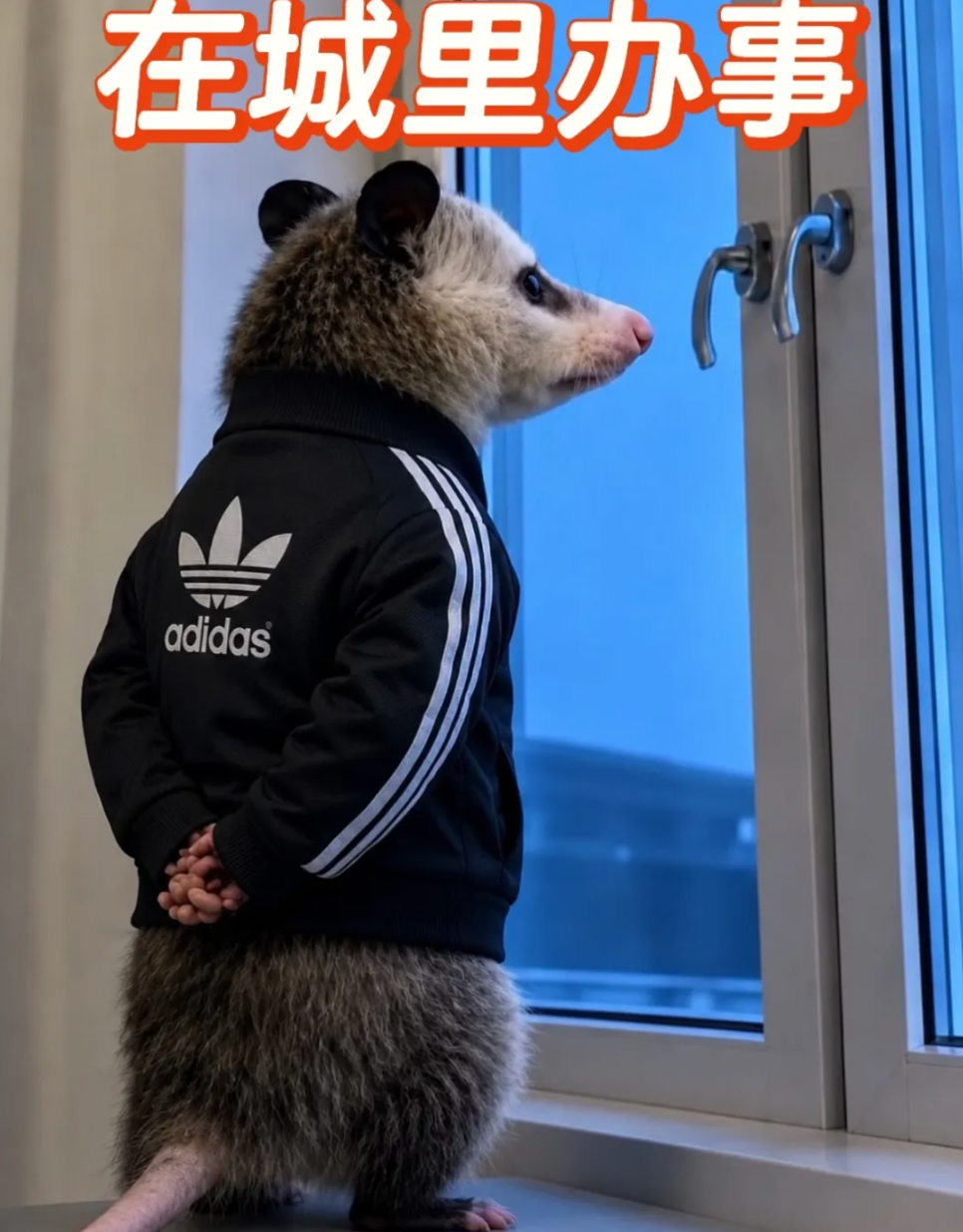
It began with a simple product description. An adidas jacket listing on its official flagship store was meant to say something like "pair it with jeans for errands around town." But the machine-translated Chinese version came out as something closer to "heading into the city to handle business" — a phrase with a distinctly down-to-earth, almost folksy tone that clashed sharply with Adidas's usual image of sport, trend, and global polish. Chinese users on Rednote spotted the mismatch almost immediately, and the phrase quickly became internet material.
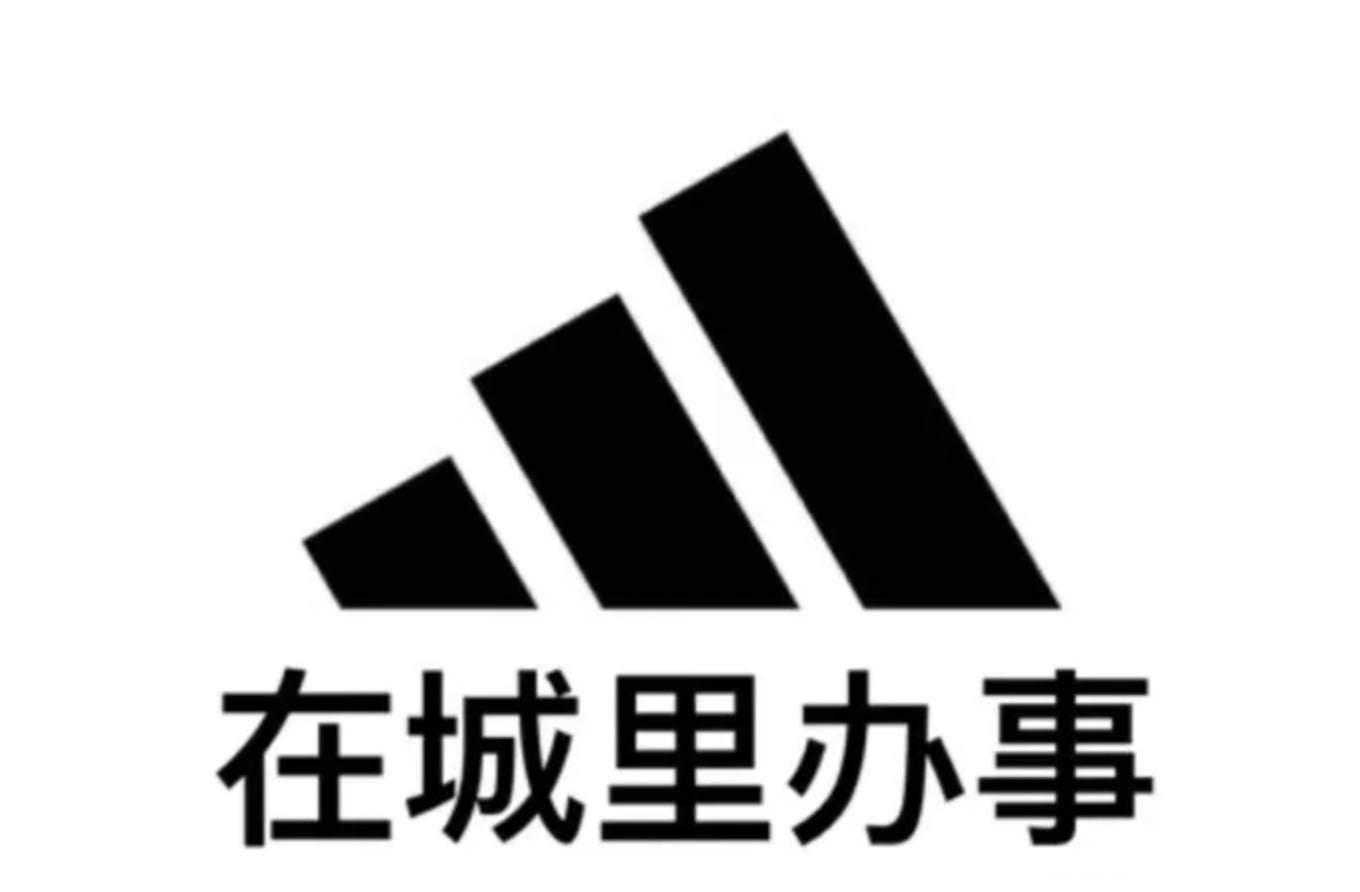
What happened next mattered more than the original error. Users didn't just point out the mistranslation — they ran with it. People coined playful variations, posted outfit photos captioned with the phrase, and turned a flat product description into something they could remix and share. A line that started as routine e-commerce copy became, through user creativity, a piece of shared social language.
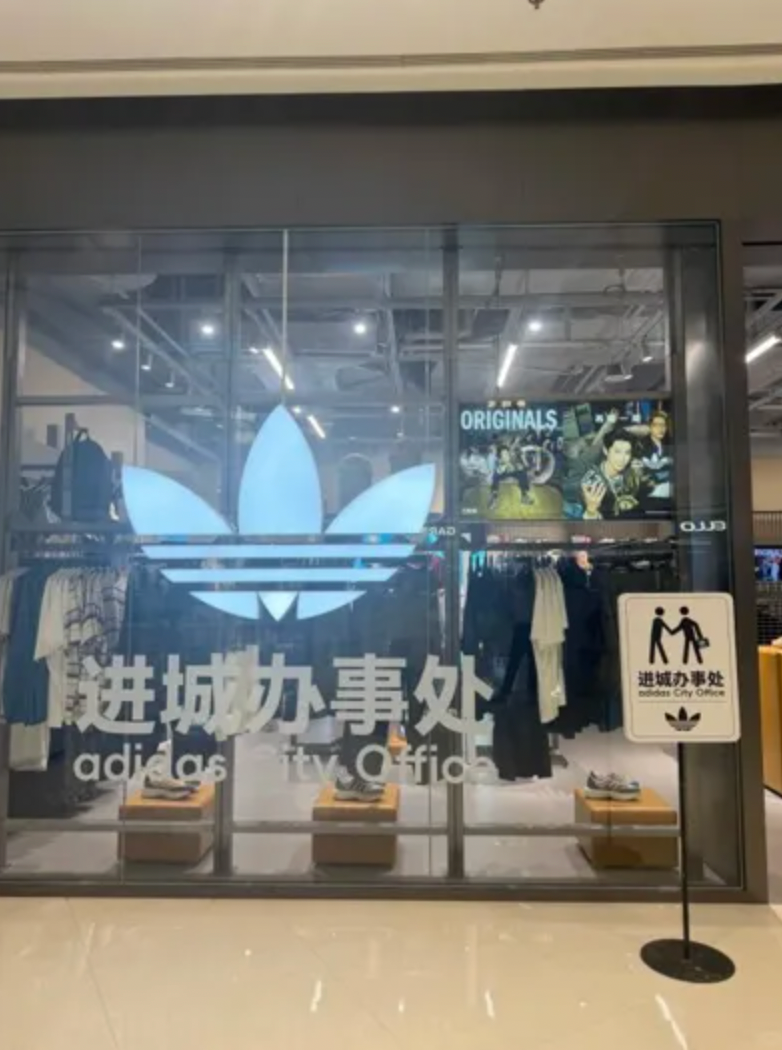
The most telling part of this story is how Adidas responded. Rather than issuing a formal correction or staying silent, the brand leaned into the joke. It published content like "here's what to wear for handling business in the city" and teased an upcoming "city errands" T-shirt, folding the meme directly into product promotion. What started as a translation slip turned into a moment of co-creation between the brand and its audience — a reminder that in Chinese social media, brand meaning is rarely decided unilaterally by the brand itself.
Why Brand Meaning No Longer Belongs to the Brand Alone
Traditional advertising operated on the assumption that brands control meaning: craft the right message, push it out, and consumers receive it as intended. Chinese social media platforms like Rednote work differently. Once content lands on a public platform, users reinterpret it through their own experience, platform culture, and emotional reactions. What a brand publishes is really just a starting point — whether it spreads depends entirely on whether users find something worth discussing, mimicking, or reposting.
This shift matters enormously for any international brand building a China marketing strategy. Precision of message is no longer the only goal; participatory potential matters just as much. The adidas episode illustrates this perfectly — the brand's intended message was almost irrelevant compared to what users made of the unintended one.
Young Chinese Users Reward Imperfection Over Polish
There's a generational pattern worth noting here too. Younger Chinese consumers have been exposed to so much polished, on-message brand content that they've developed a strong filter for anything that feels overly controlled or scripted. Content that's a little unexpected, a little imperfect, or open to playful reinterpretation tends to spread further than flawless campaigns ever could.
When users share this kind of content, they're not just passing along brand information — they're signaling their own humor, internet fluency, and cultural awareness. In low-risk, good-natured contexts, a little imperfection doesn't damage a brand's image. If anything, it makes the brand feel more human and less distant. That's exactly the dynamic that let Adidas's mistranslation become genuine social currency rather than a PR liability.
"Feeling Human" Is Now a Real Social Media Skill
This case also reveals something important about brand presence on Chinese social media: the ability to feel human, not just professional. This doesn't mean stuffing captions with internet slang or imitating Gen Z speech patterns. It means responding to real-time situations with timing, authenticity, and just the right amount of relaxed confidence.
When users are already having fun with a brand's content, jumping in with formal corrections or stiff explanations can kill the momentum entirely. adidas avoided that trap — instead of reasserting control over the narrative, it stepped into the meme culture users had already built and responded on their terms. The lesson here isn't about reaction speed alone; it's about understanding why users wanted to engage with the joke in the first place.
How the Meme Actually Spread: A Three-Part Mechanism
Looking closer, this case breaks down into three distinct stages worth understanding for anyone managing China social media presence.
First, the semantic mismatch created the spark. The original English phrase was mundane — a generic reference to everyday errands. But the Chinese translation introduced a much more specific, vivid image: someone dressing carefully to head into the city and handle business, evoking a slightly old-fashioned, grounded social context. That contrast between adidas's usual sleek, international image and this homely phrase is exactly what made it funny. Ironically, the inaccuracy of the translation is what gave it room to be reinterpreted.
Second, users transformed the mistake into shareable material. This wasn't a planned campaign — it was organic discovery. Users found the phrase, screenshotted it, and pushed it into public conversation. Without that initial spark of user curiosity, the phrase would likely have been quietly corrected and forgotten. Instead, people kept building on it, turning a single line of product copy into an evolving piece of internet humor. The appeal was its low barrier to entry — anyone could understand the contrast between "adidas" and "city errands" without needing deep brand knowledge, and joining in signaled cultural fluency.
Third, adidas converted the joke into an actual engagement asset. This is the step many brands get wrong. Faced with a viral mistranslation, the instinct is often to clarify, correct, or quietly fix it. But doing so would have framed the episode purely as a localization failure. Instead, adidas acknowledged the error while embracing the humor users had already created, releasing content that extended the joke and tied it back to real products. The brand didn't try to drag the conversation back to formal advertising language — it found its place inside the context users had already built.
What This Means for International Brands Building Chinese Marketing Strategy
There are two practical takeaways here for any international brand thinking seriously about the Chinese market.
The first is that responding to internet humor requires accuracy, not just speed. Not every meme is friendly — sometimes online jokes carry irritation or sarcasm rather than affection. Brands need to read the emotional tone correctly before deciding whether and how to participate. Luckin Coffee's collaboration with Moutai offers a similar example: when users joked about "a young person's first taste of Moutai" or debated whether you could drive after drinking the combo, Luckin didn't try to contain the conversation — it let the humor keep building, turning the product itself into a vehicle for novelty and conversation. Responding well builds the sense that a brand understands its audience; responding poorly, or too eagerly, can come across as forced and backfire.
The second takeaway is that brands need to get comfortable giving up some control over meaning. In an open social media environment, no brand can fully dictate how its content gets interpreted — and not every unexpected interpretation should be treated as a threat. In the adidas case, the brand wasn't the one driving the narrative initially; users were. adidas simply found the right moment to step into a context that already existed. Taobao's well-known "Ugly Things Contest" reflects the same principle — it isn't curated solely by the platform, but built collaboratively by users, sellers, and the platform together, turning a niche aesthetic joke into a recognizable cultural asset.
For brands operating in Chinese social media spaces, the real opportunity isn't manufacturing viral moments — it's recognizing when one is already happening and knowing how to engage without breaking the spirit of it. What started as a single mistranslated line on a product page ended up generating far more value than the original copy ever could have. That's the nature of marketing in China today: sometimes the most effective brand content isn't written by the brand at all — it's co-written with the audience.
Interested in exploring bespoke marketing tips and localized strategies for the Chinese market? Feel free to reach out to us!
