

China Social Media for International Artists: Build and Protect Your Digital Identity
An international artist may already be visible in China through streaming services, video clips, press coverage, fan accounts, promoters and brand partnerships. Yet the management team may not control a single dependable Chinese channel. That gap sits at the centre of effective China marketing for international artists, music and entertainment.
That is more than a marketing gap. It is an identity, access and reputation-management question.
The short answer: an artist’s China presence should be treated as a governed digital asset. Before expanding promotion, management should establish which accounts are official, which Chinese names are recognised, who owns and administers each account, what partners may publish, how fan communities are handled, and who can respond when an important issue arises.
Opening an account is only one part of that work. A verified profile without clear ownership, approvals or daily management can create a new risk rather than solve an old one.
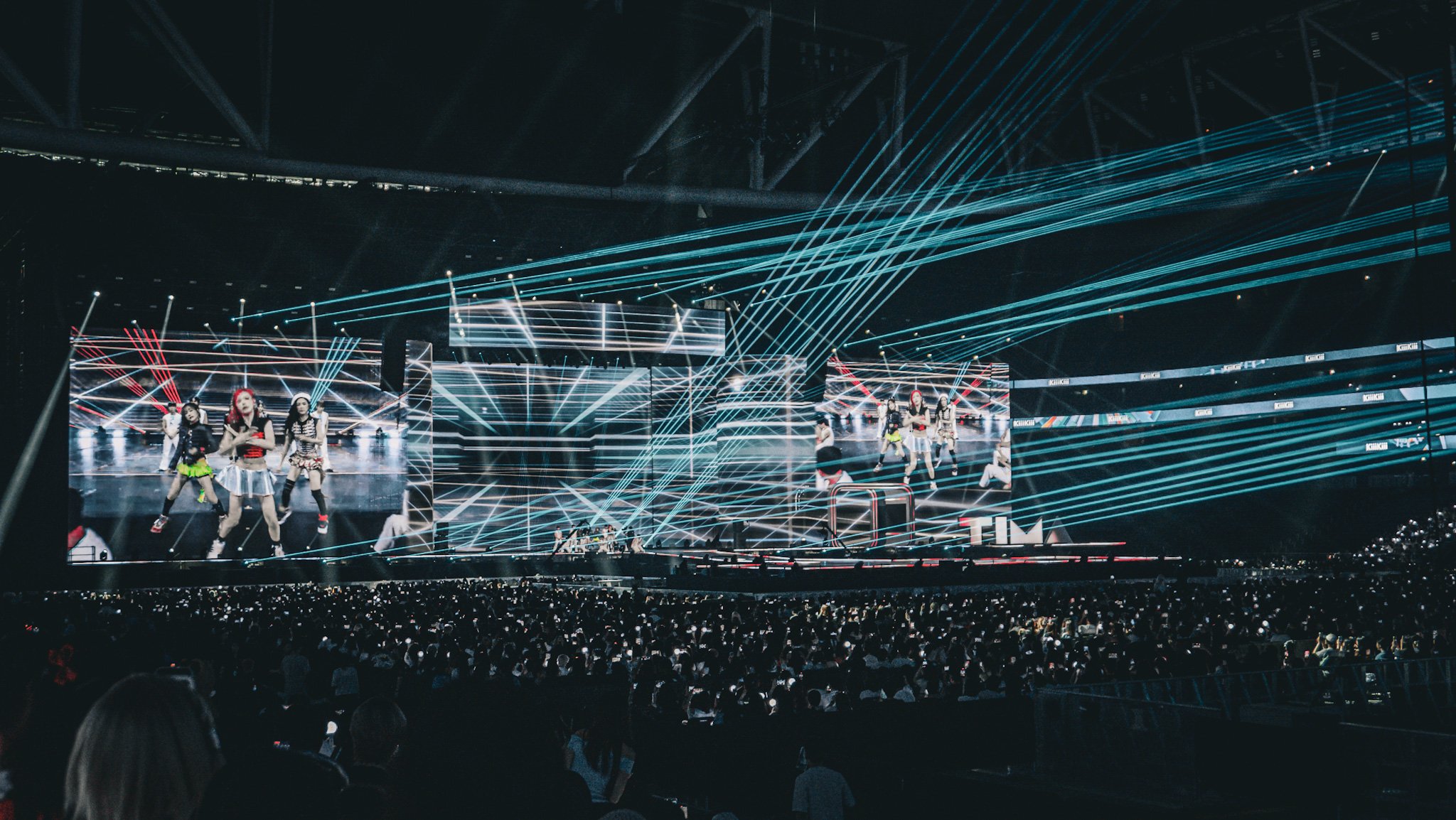
Why artist visibility and artist control are different
Chinese audiences may discover an international artist through many routes:
a local music or video platform;
licensed film or television content;
fan translations and clip accounts;
a festival, promoter or venue;
a fashion, beauty or consumer-brand collaboration;
media coverage and entertainment accounts;
discussion across China’s short-video, discovery, community and public-conversation platforms.
This activity can build recognition. It does not necessarily tell audiences which account is official, where information is authoritative or whether a post represents the artist, a licensee, a fan group or an unrelated publisher.
For management teams, the real issue is continuity. What happens when the promoter changes, a staff member leaves, a release needs correction or the artist returns to China after a long gap? If ownership and responsibilities are unclear, the team may discover that its audience, account history or recovery credentials sit elsewhere.
The seven questions every artist manager should be able to answer
Official identity: Which Chinese names, profile descriptions and accounts are approved by the artist or rights holder?
Account ownership: Which legal entity is named in the account and who controls renewal, recovery and handover?
Administration: Which people hold administrator access, phone numbers, email addresses and security credentials?
Publishing rights: Which team or partner may use the artist’s name, image, music, video and approved materials?
Approvals: Who can approve routine content, commercial content and sensitive responses—and within what boundaries?
Fan relationships: Which fan groups are recognised, how are they guided and who is responsible for contact?
Issue response: Who monitors important conversation, verifies facts and coordinates a response across markets?
These questions do not need to be answered publicly. They need to be documented internally and understood by the people operating the presence.
Official accounts and fan accounts perform different jobs
Fan communities can be important cultural interpreters. They translate news, explain references, organise discussion and preserve interest between releases. An official account should not try to imitate or replace every fan function.
Its role is different:
establish a trustworthy identity;
publish authorised news and materials;
support releases, appearances and partnerships;
correct material confusion where appropriate;
provide a responsible point of reference for platforms, media and partners;
connect the artist’s global direction with Chinese audience context.
The relationship therefore requires judgment. Ignoring established fans can waste goodwill. Treating every fan account as official can create rights, accuracy and governance problems. Asking fans to perform the work of a professional management team can expose both sides to avoidable pressure.
China’s cyberspace regulator has specifically addressed online entertainment and fan-community governance. Its guidance states that fan-club and support-group accounts should be authorised or certified by the relevant artist-management company or studio, which carries responsibility for their routine maintenance and supervision.
A related regulator notice places responsibilities on management companies around account certification, publishing, commercial promotion, crisis communication and fan management.
Enforcement activity reported by the regulator in 2025 also shows that low-quality celebrity gossip, fabricated claims and intrusive material remain active concerns.
This does not mean every artist needs a large official operation. It means the management model should be deliberate, proportionate and capable of handling the audience that already exists.
Which Chinese platforms matter for an international artist?
The answer depends on the artist, audience, content rights and commercial priorities. At a high level:
• Douyincan support short-video discovery, music use and participatory formats. It requires locally appropriate edits, rights clarity and a sustainable content rhythm.
• Xiaohongshu / RedNotecan support style, creative process, travel, beauty, culture and personal storytelling. Trust can be damaged by content that feels forced or excessively promotional.
• Bilibili can support longer video, performance context, interviews, production stories and deeper fandom. It works best when the artist has substance and material audiences can explore.
• WeChatcan provide an owned Chinese-language information layer and selected fan, media or partner journeys. Audience acquisition and ongoing usefulness need a defined purpose.
• WeCom can support company-managed fan contacts, opt-in groups, release or event follow-up and private community operations inside the wider WeChat ecosystem. It is most useful when fans have a genuine reason to connect and requires consent-aware data handling, clear staff ownership and regular community value.
• Weibo can support public news, media conversation, releases and timely statements. It requires a clear public voice and issue-response ownership.
This is not a recommendation to use all six. Each platform creates access, content, approval, monitoring and continuity responsibilities. A smaller system with defined roles is usually easier to govern than a broad presence operated intermittently by different partners.

Where WeCom fits: from public reach to a managed fan relationship
Public platforms help an artist get discovered. WeCom can support the closer relationship that follows when fans voluntarily choose to connect with an authorised team.
Through company-managed staff contacts and groups, an artist-management company can build a private fan community, share useful release or event updates, support selected member activity and keep valuable relationships within a business-controlled structure rather than an employee’s personal account. Where the platform setup, permissions and consent allow, it can also help the team collect and organise first-party fan data and relationship signals—for example, how a person joined, the questions they ask, relevant preferences they share and their participation in community activity.
The important boundary is that WeCom is not a data-harvesting shortcut. Contact information, group activity, segmentation and CRM or SCRM connections require a clear purpose, appropriate permissions, access controls and privacy review. China’s Personal Information Protection Law applies requirements to personal-information processing, so the management company should involve its legal, privacy and technical specialists where necessary.
For an artist, the strongest role for WeCom is therefore not simply “collecting contacts.” It is creating a useful, consent-aware relationship that the authorized team can continue to serve, understand and govern over time. It does not create fan demand by itself; public content, releases, appearances or existing interest must first give people a genuine reason to connect.
Account verification is not the same as operational control
International teams commonly ask whether an overseas company can open a verified Chinese social account. Sometimes there is a workable route, but the answer varies by platform product, jurisdiction, industry, applicant documents and intended features. Advertising, stores, livestreaming, payments or creator tools may have separate requirements.
The platform makes the final approval decision. No agency can responsibly guarantee approval or a fixed timeline.
Before an application begins, management should understand:
the proposed account owner;
the administrator and recovery arrangement;
which phone number and email will remain available;
trademark, name and image authorisations;
what happens if a local partner or supplier changes;
whether the intended publishing and commercial functions are actually available;
how the account will be transferred or closed if the relationship ends.
The fastest apparent route is not always the safest long-term route. Lotus’s account setup and verification service begins with the ownership and intended-use questions because they affect everything that follows.
Chinese content needs an artist-management workflow
Directly reposting global content can create gaps in language, context, rights and timing. Effective Chinese content localization and production should preserve the artist’s identity while making the material natural for the platform and audience. On the other hand, giving a local publisher unlimited creative freedom can dilute the artist’s positioning.
The workable middle ground is a bilingual operating rhythm that distinguishes:
evergreen content from time-sensitive announcements;
global assets from materials cleared for Chinese use;
routine community responses from issues requiring management approval;
editorial communication from paid or commercial activity;
a fan conversation from a matter involving safety, privacy, rights or reputation.
The exact workflow should remain internal. What matters publicly is that the artist sounds coherent, current and recognisably themselves, not like a literal translation or an unrelated local brand.
When should management review the China presence?
A review is particularly valuable before:
a Chinese release or distribution agreement;
a tour, festival, film premiere or public appearance;
a local endorsement or brand collaboration;
a new account application or verification renewal;
a change of promoter, distributor, agency or staff;
a sensitive announcement or emerging reputation issue;
a longer-term plan to develop Chinese audience relationships.
It is also worth reviewing when management cannot confidently name every official account and administrator. That uncertainty is itself a useful finding.
What a healthy operating model should achieve
A sound China social media management model should give the international management team:
a clear register of official accounts and access;
one approved naming and identity system;
defined roles for Lotus, management, labels, distributors, promoters and fan contacts;
a proportionate approval and escalation structure;
a content rhythm matched to available assets and real opportunities;
reporting that supports decisions rather than inflating expectations.
It cannot guarantee popularity, positive sentiment, platform approval, campaign reach or commercial results. It can reduce avoidable confusion and give the artist a more dependable way to participate in an existing Chinese conversation.
Frequently asked questions
Does an international artist need official Chinese social accounts?
Not always. The case becomes stronger when there is existing fan activity, regular releases, Chinese partners, public appearances, commercial collaborations or a need for an authoritative communication channel. Start by reviewing the current footprint and management responsibilities.
Can an overseas management company verify an artist account?
Possibly. Eligibility varies by platform, account type, applicant jurisdiction, documents and intended functions. The current route should be assessed before the account owner or operating partner is chosen.
Should we take control of an existing fan account?
Not automatically. First establish who owns it, how it has operated, whether the community trusts it, what rights or platform rules apply and what both sides expect. Cooperation, formal recognition, separation or transition may each be appropriate in different situations.
Should the same content be posted on every Chinese platform?
No. The artist’s identity can remain consistent, but format, context, pacing and audience value differ. A platform should only be included when it has a clear role and the team can manage it responsibly. Lotus’s guide to multi-platform China marketing explains why connected roles matter more than identical posting.
Can Chinese social media make an artist popular in China?
It can support discovery, communication and audience relationships. Popularity still depends on the work, availability, cultural relevance, timing, partners, media conditions and audience response. No agency can guarantee it.
Can WeCom help an artist build a private fan community and collect first-party data?
Yes, when fans voluntarily connect for a clear and useful reason. WeCom can support company-managed contacts and groups and help organise consented first-party relationship information and interaction signals. It does not give the management company unrestricted ownership of personal data; collection, access, use, retention and any CRM connection require appropriate permissions, privacy controls and legal review.
Can Lotus manage fan communities or reputation issues?
These can be included within an agreed scope, with response boundaries and escalation paths. Legal, security or highly sensitive matters may require the artist’s management, platform contacts and specialist advisers.
Give your artist a dependable Chinese point of reference
If fans, platforms and partners are already speaking about an artist, an official presence can provide clarity—but only when ownership, access, rights and ongoing responsibility are settled first.
Lotus Social Agency helps international teams assess Chinese account routes, establish secure foundations, localise content and run ongoing channels through one bilingual team.
For a secure starting point, explore Chinese social media account setup and verification.
For sustainable daily operations, review Lotus’s China social media management service.
For private, consent-aware fan relationships, explore WeCom community and relationship support.
Continue exploring
• Learn how owned channels can support IP licensing demand in China.
• Read Lotus’s guide to music promotion in China through social media.
• Understand how WeChat Channels fits into China’s content ecosystem.
• Review the wider Chinese social media ecosystem for international brands.
Ask Lotus for a confidential review of your artist’s current Chinese digital identity. Share the artist’s existing accounts, known fan activity and upcoming priorities, and we will recommend the most useful place to begin.
