

Michael Kors has been finding new ways to make a long-established fashion brand feel current in China. Its latest character, Miki Miki, has become a reason for young consumers to queue, post and talk about the brand. The character appeared in a campaign with Tan Jianci, while Miki Miki charms and the new Hamilton bag quickly attracted attention and sold out in selected colors.
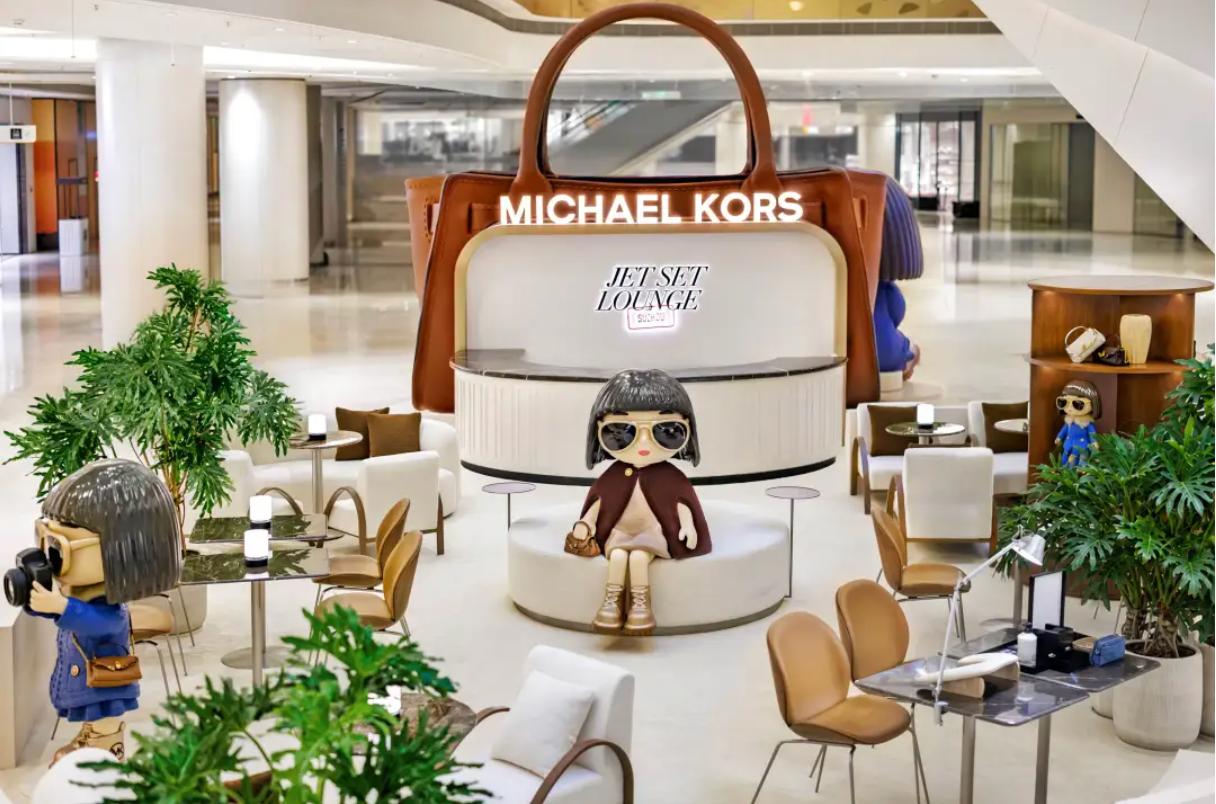
The campaign then moved from screen to physical space. A large Miki Miki and Hamilton installation appeared at Suzhou Center, alongside an MK Jet Set Lounge that combined retail, drinks, snacks, beauty services and photo opportunities. The result was more than a product display. It gave visitors a reason to stay, play and share.
For international brands in China, the important lesson is that a global brand does not have to abandon its core identity to become locally relevant. It needs to translate that identity into situations Chinese consumers can enter naturally.
IP Gives the Brand a Social Language
Miki Miki works because the character gives Michael Kors a simpler and more approachable way to speak to younger consumers. The character has a clear personality: confident, curious, fashionable and interested in travel. The gold aviator sunglasses connect the character back to Michael Kors without making the brand story feel distant or overly formal.
Young consumers can use the character as a bag charm, a styling detail, a gift or a conversation starter. They can also project their own emotions onto it. One social post described Miki Miki as a companion through a difficult month and exam period. That kind of response shows how a character can become more than a logo. It can become a small piece of emotional and social value.
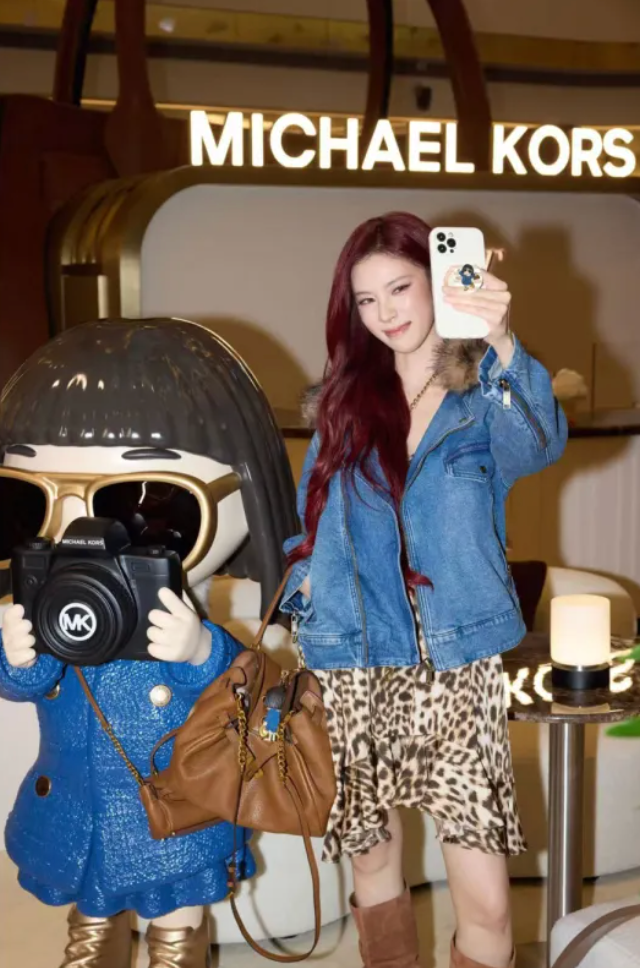
The collaboration with Tan Jianci extended this system. Miki Miki appeared as a mini partner in the campaign, and replacement outfits allowed fans to engage with the character through the popular practice of dressing and collecting dolls. The product became part of a wider participation system rather than a single purchase.
Jet Set Becomes an Everyday Attitude
Jet Set has always been part of Michael Kors' brand DNA. Historically, it described a glamorous lifestyle that moved between global cities and holiday destinations. In China, the brand is updating that idea for consumers who may not travel by private plane or yacht, but still want a feeling of freedom, ease and movement in everyday life.
The MK Jet Set Lounge is a useful example. It brings coffee, iced tea, snacks and a pause from the city into the retail experience. The space has appeared in hotels and commercial districts, where consumers can access a small version of the travel mood without planning a major trip.
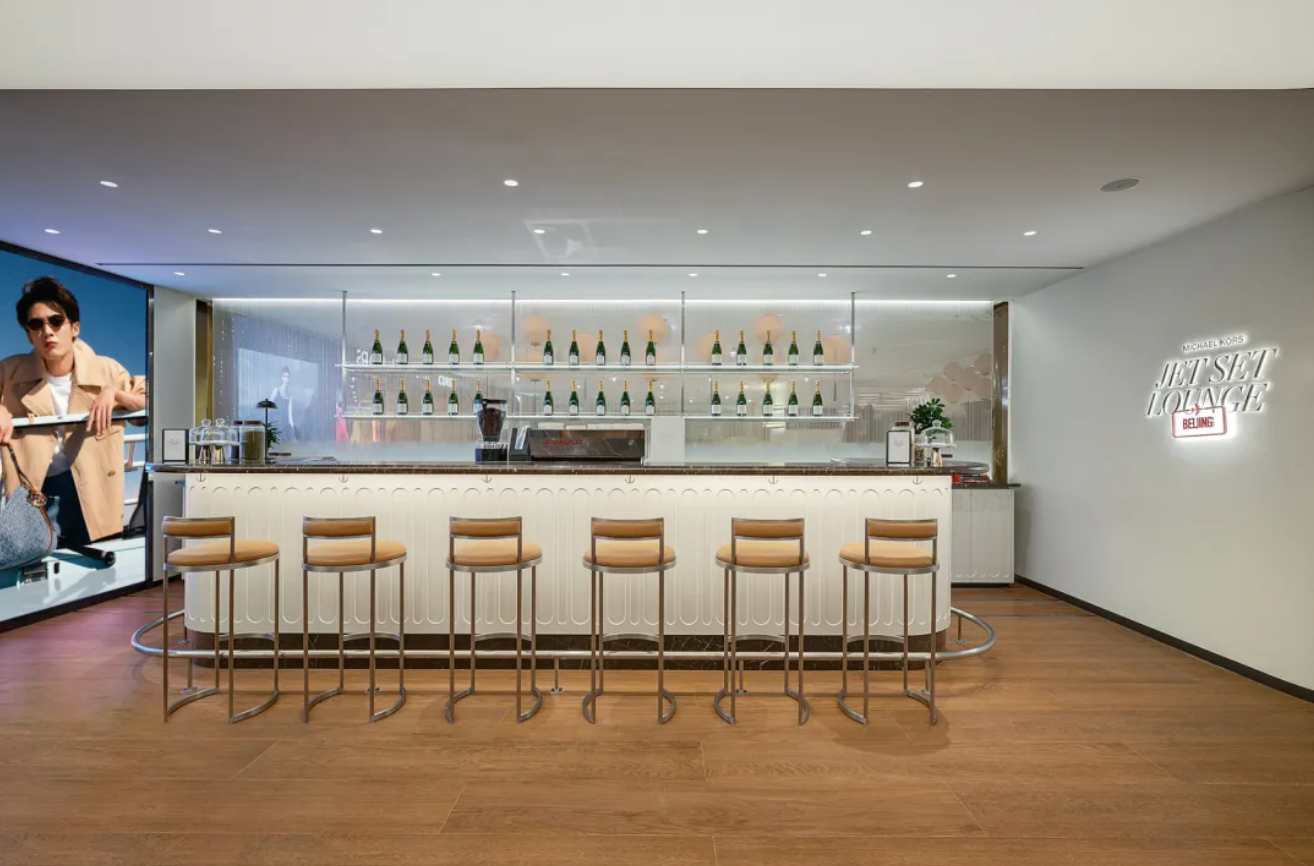
This is a culturally relevant adjustment. Many young Chinese consumers value short breaks, city walks, nearby escapes and experiences that fit into a busy schedule. For them, travel can mean an afternoon that feels different, not only a long-distance journey. The brand is therefore making Jet Set easier to practice.
Each City Receives a Different Version
Michael Kors has repeatedly connected product launches with local city culture. A JORDI bag activation in Chengdu used the relaxed atmosphere of Yulin Road. A tea and alcohol venue under Hangzhou's Longjing Mountain connected the product with local leisure. In Shanghai, the NOLITA bag inspired a Haipai-style baozi shop. In Beijing, the brand created a hutong walking experience around the idea of carrying a bag outdoors.
The Suzhou activation continued the same method. The Hamilton bag was paired with a city-specific drink called Yikou Yunduan and a Suzhou-style yogurt bowl, translating the city's slower rhythm into flavors and shareable memories. Consumers who came to see a bag were given several reasons to stay longer and interact with the brand.
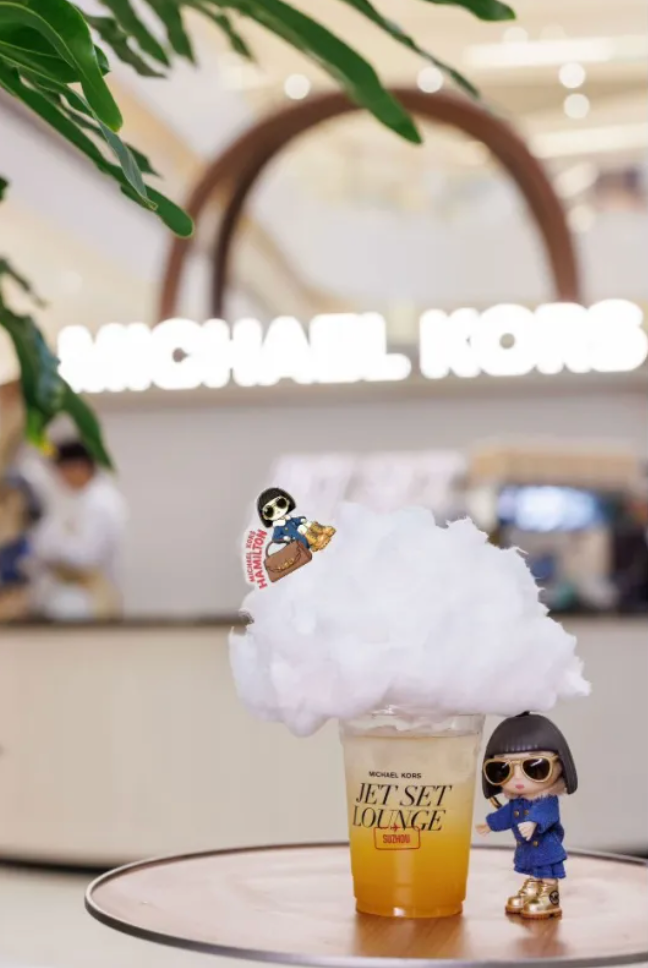
This approach works because it does not treat local culture as a decorative background. The city changes the experience itself. The brand enters local life as a participant, not as an outsider borrowing a symbol for a campaign.
Marketing Works When Product and Experience Move Together
Experiential marketing can create attention, but it becomes more valuable when it is connected to a product people genuinely want to use. Michael Kors has also updated its product range. JORDI is practical and easy to carry, NOLITA is light and soft, and Hamilton brings a more classic and retro feeling. Material, comfort, capacity and styling have been adjusted for younger consumers and modern daily use.

This coordination matters in China marketing. A campaign may create visits and social conversation, but product design determines whether the attention becomes purchase, repeat use and long-term relevance. The strongest international brands connect the experience, the product story, the retail environment and Chinese social media content into one system.

For international brands entering China, Michael Kors offers a practical model: keep the global brand code, create a local character or behavior that consumers can join, adapt the experience to each city, and make sure the product gives the campaign a reason to continue.
Interested in exploring bespoke marketing tips and localized strategies for the Chinese market? Feel free to reach out to us!
