

Why Sports Brands Are Betting on China
Alo's official Tmall launch finally answered a question that Chinese sports and lifestyle consumers had been asking for months: would the brand formally enter mainland China? The answer is yes. The brand has opened its Tmall flagship store, registered companies in Beijing, Shanghai, Hangzhou and Shenzhen, and started preparing physical retail. But Alo is only one part of a much larger signal.
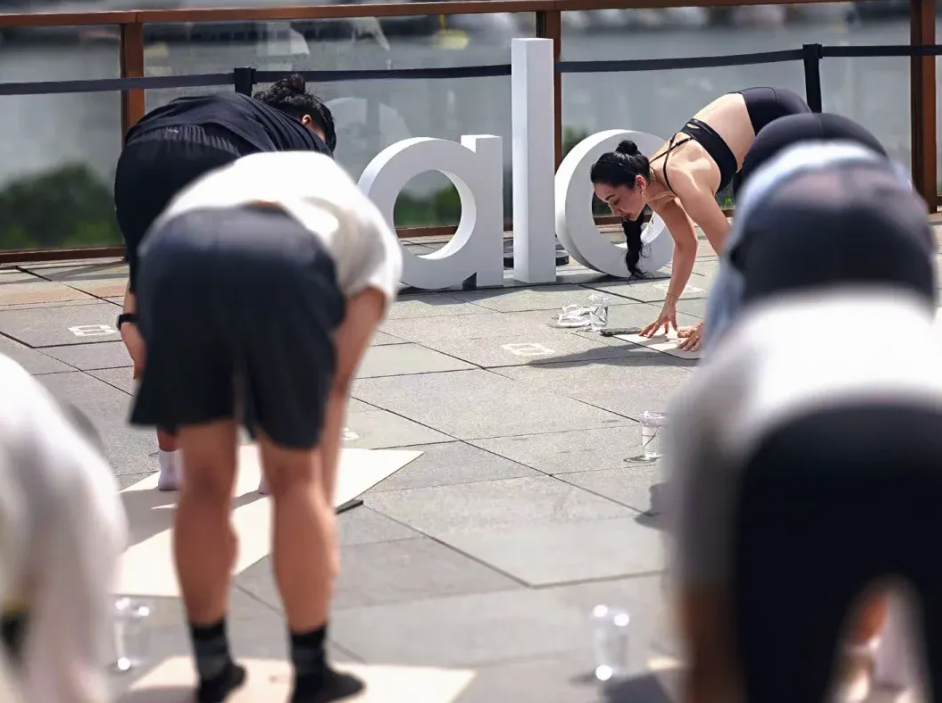
In 2026, a wider group of international sports, outdoor, performance and wellness brands is entering or expanding in China. NikeSKIMS is preparing a Shanghai presence. Norrona and Soar have entered through Topsports. Nike ACG opened its first standalone global store in Beijing. Sweaty Betty is returning with a mainland store in Shanghai. Nordisk, Nanamica and other niche outdoor brands are also taking positions. At the same time, international sports nutrition brands such as Dymatize and Applied Nutrition are using Tmall Global to reach Chinese consumers.
This Is Not the Same Expansion as Ten Years Ago
The current wave is different from the earlier period when global sports brands mainly raced to open stores across major shopping malls. Today's entrants are often more premium, more vertical and more careful. They are not trying to reach everyone at once. They are targeting specific communities: yoga and Pilates consumers, serious runners, high-end outdoor users, women who combine fitness and fashion, and consumers who see nutrition as part of everyday health.
This matters for international brands because China's sports market has become more segmented. Broad awareness is useful, but category authority, community trust and scenario relevance are now more important. A brand that performs well with a narrow but committed group can build more sustainable momentum than one that launches loudly but cannot explain its role in Chinese consumers' lives.
Alo Shows the New Sequencing
Alo's China entry is useful because the sequence is thoughtful. Before opening stores, the brand began community activity. Its mini program opened reservations for yoga, Pilates, running and mindfulness walks. The first mainland community event landed in Shanghai, and participants did not need to wear Alo products. This suggests that the immediate goal was not hard selling. It was to let consumers experience the lifestyle the brand wants to represent.
The next step was official e-commerce. The Tmall flagship gives Chinese consumers a reliable official channel after years of purchasing through daigou and unofficial circulation. This allows the brand to take back control over pricing, product presentation, service and data. Offline retail comes after community and e-commerce, not before. Stores can then serve as brand anchors rather than isolated sales points.
There is also a positioning risk. Alo's celebrity endorsement creates strong social attention, but it may also pull the brand closer to fashion traffic than professional movement. For a yoga lifestyle brand, the balance between celebrity heat and authentic movement credibility will matter. Chinese consumers can enjoy celebrity content while still asking whether the brand feels genuinely connected to sport.
Women's Sports and Vertical Performance Are Heating Up
NikeSKIMS represents another direction: the intersection of women's sportswear, fashion and body-inclusive design. Its Shanghai location near high-end luxury traffic signals a focus on young women, fashion-aware consumers and premium retail environments. Nike brings performance credibility, while SKIMS brings cultural visibility and a strong conversation around fit and body.
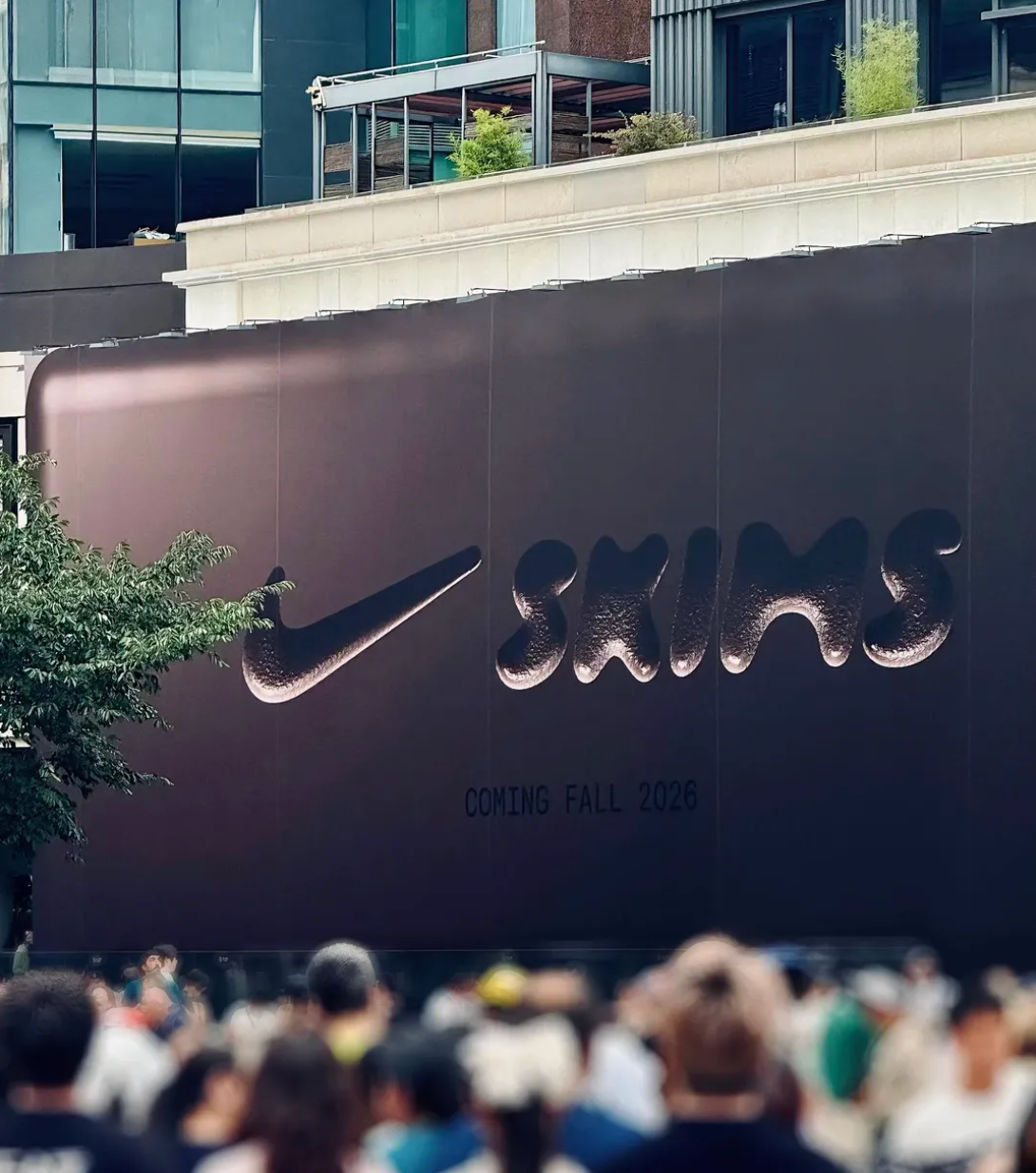
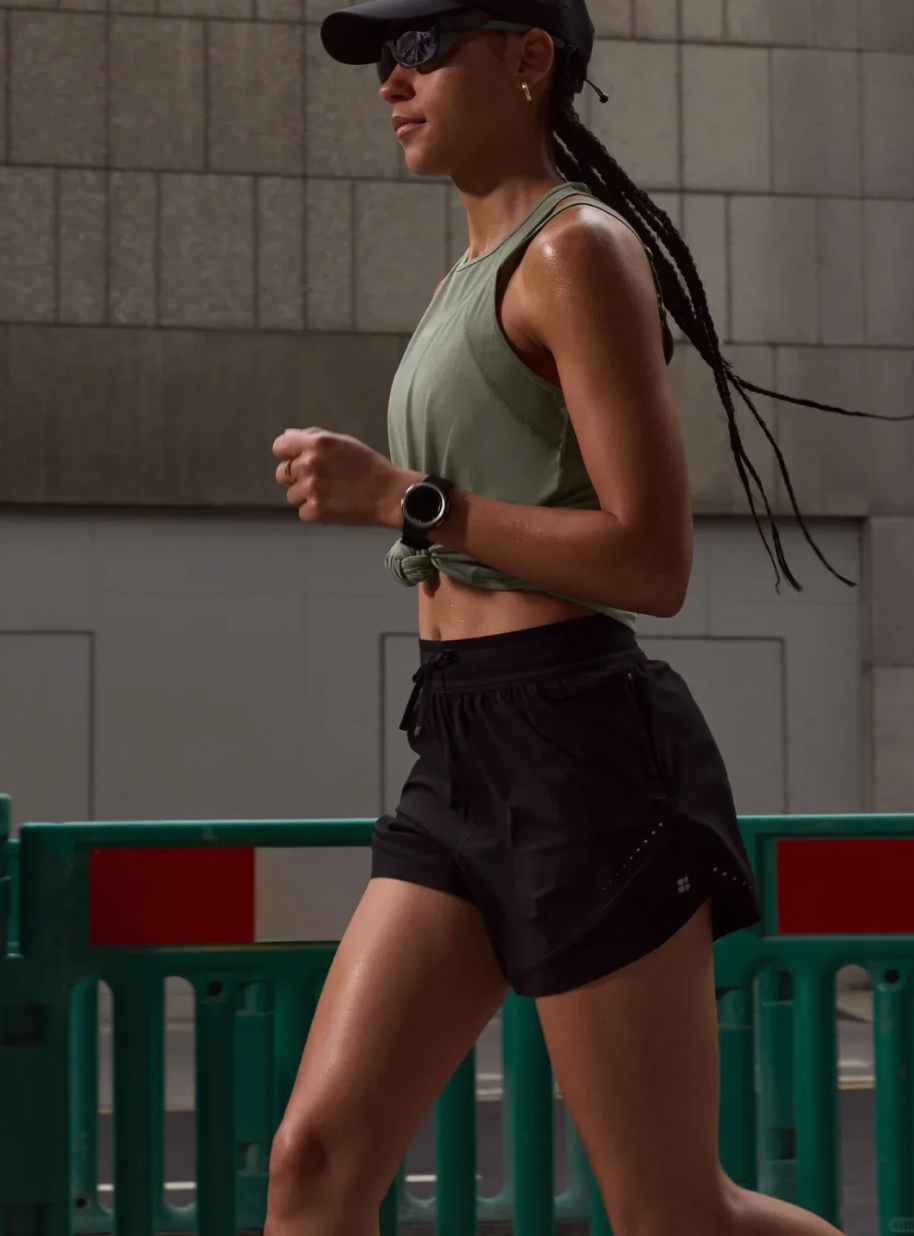
More vertical brands are also entering quietly. Norrona is returning with a stronger flagship approach after an earlier China attempt. Soar targets serious runners with extremely lightweight performance gear. Sweaty Betty is returning under a more locally operated model. These brands do not need to win every consumer. They need to win the right ones: people willing to pay for specific performance, design and identity value.
Sports Nutrition Takes a Lighter Route
Sports nutrition is following a different entry path. It does not always need expensive offline stores at the beginning. Tmall Global data shows that hundreds of overseas brands opened in the first half of 2026, with sports nutrition among the fastest-growing categories. Brands such as Dymatize, Applied Nutrition, Nutrabolics and VPA are covering scenarios from protein intake and muscle building to recovery and everyday nutrition.
This category is moving from the gym circle toward broader consumption. Protein, muscle health, recovery and daily supplementation are becoming more mainstream. For international nutrition brands, cross-border e-commerce offers a lighter, faster and more data-driven way to test the market before deeper localization.
What International Brands Should Learn
The shared lesson across Alo, NikeSKIMS, Norrona, Soar and sports nutrition brands is that China entry now requires sequencing. Community can build emotional and social relevance. E-commerce can validate demand and collect data. Rednote and Chinese social media can educate consumers and build search visibility. Offline stores can then deepen experience and create brand authority.
International sports and wellness brands should resist the temptation to treat China as a simple store expansion market. The real competition is for community entry points, lifestyle definitions and trusted scenarios. Brands that understand this will be better positioned to grow beyond launch buzz. Interested in exploring bespoke marketing tips and localized strategies for the Chinese market? Feel free to reach out to us!
Community Is Becoming the Real Entry Point
The new sports and wellness wave shows that community is often a better first signal than store count. A brand can open a store and still feel distant. But if consumers join a run, yoga session, product trial, recovery workshop or Rednote challenge, they begin to understand the brand through participation.
For international brands, the community does not have to be large at the beginning. In fact, smaller and better curated events can be more useful because they reveal who the early believers are. These users can provide feedback on sizing, product preference, language, pricing and content before the brand expands more aggressively.
The content from these communities should then feed the broader Chinese social media system. Rednote can capture authentic experience and search visibility. Wechat Video Channel can show movement and atmosphere. WeChat can retain users through event follow-up and membership. Tmall or cross-border e-commerce can convert the demand that community and content have already warmed up.
Ready to launch your brand’s next chapter in China? Connect with us to build your tailor-made entry strategy!
