

Decoding 2026 Beauty Trends: The New Era of Chinese Marketing
As we step further into 2026, the beauty industry in China presents a fascinating paradox. Recent statistical data confirms that the sector is resilient, consistently outperforming broader retail indices and setting new historical benchmarks. Yet, many international brands report that the market feels increasingly complex—even "tougher"—to navigate. This friction between rising demand and the difficulty of engagement suggests that the traditional playbooks of the past are no longer effective.
The growth logic has fundamentally shifted. To succeed in the modern era of Chinese social media, international brands must pivot from functional promotion to emotional resonance, focusing on the evolving desires of a demographic that prioritizes self-expression above all else.

The Shift from "Pleasing Others" to "Self-Pleasure"
The defining trend in the Chinese beauty landscape for 2026 is the transition from "pleasing others" (societal approval) to "pleasing the self" (悦己). Modern young consumers in China are redefining what it means to look good; it is no longer about adhering to rigid beauty standards or seeking validation. It is a ritual of self-connection. Whether it is applying lipstick while working from home or perfecting a "glaze" finish for a gym session, the act of makeup is a toggle switch for their mental state.
For international brands, this means marketing narratives must evolve. Traditional functional labels like "anti-aging" or "hydration" are no longer sufficient to spark deep consumer interest. Today’s consumers are looking for products that act as an extension of their identity and a response to their current emotional state. They are shopping for "aids" to their ideal self-image, and their choices are heavily dictated by specific lifestyle scenarios. Success in the competitive arena of Chinese marketing now depends on a brand’s ability to map its products to these nuanced, highly personalized life moments.
Transforming Trends into Interactive Experiences
A major pitfall for many international brands entering China is the attempt to import top-down marketing trends. They often use industry jargon that feels distant and disconnected from the everyday reality of the local consumer. The most successful recent campaigns, such as those executed on platforms like Douyin, demonstrate a different approach: they do not preach; they invite participation.
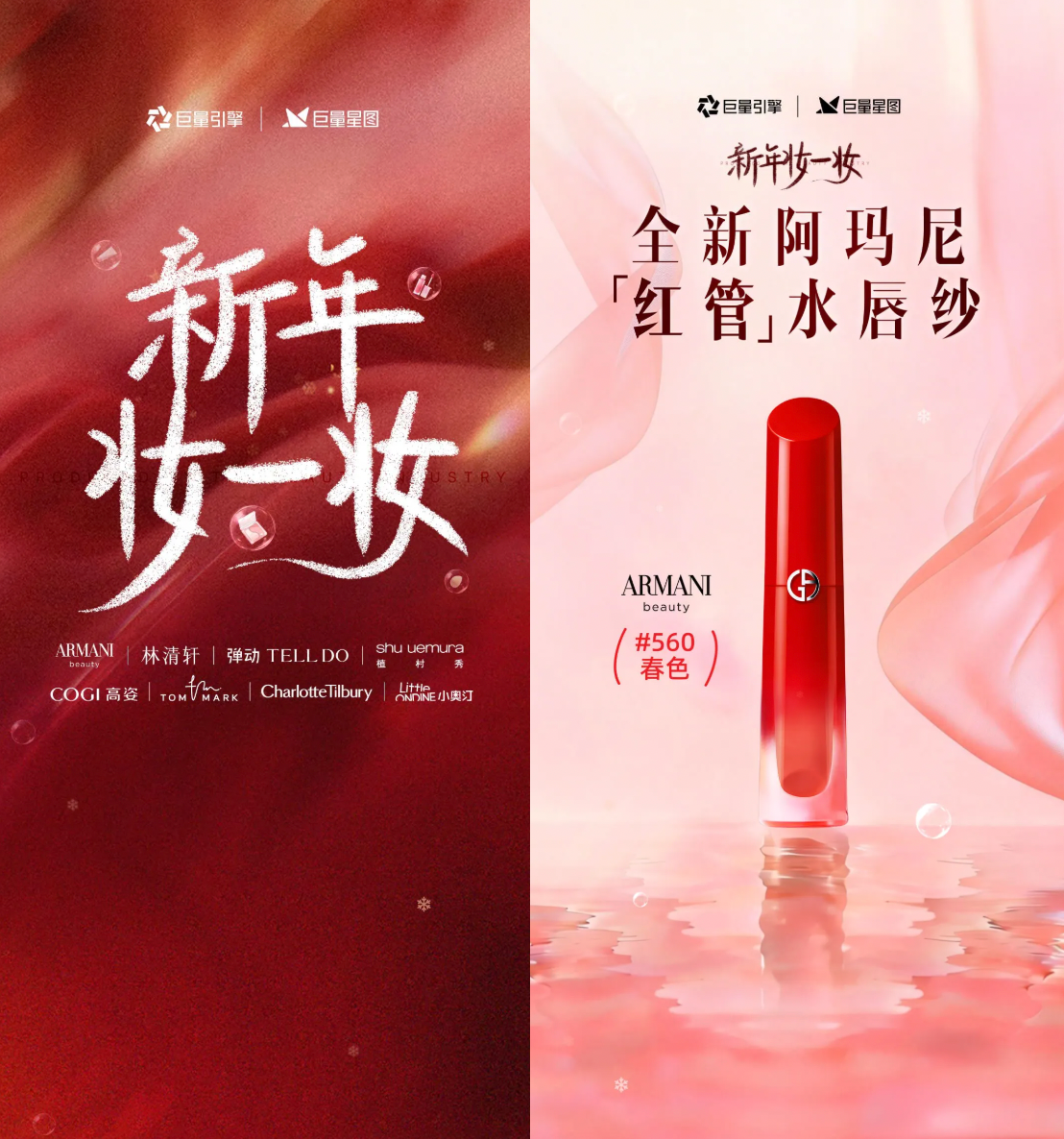
The strategy that is winning hearts today is one that bridges the gap between abstract trend concepts and tangible user self-expression. By leveraging AI-driven interactive tools, brands allow users to generate personalized content—such as customized "New Year makeup looks"—that they can then share with their social circles. This is not just a digital activity; it is a bridge. When a brand creates an environment where users can play, express, and visualize themselves in the brand's aesthetic, it bypasses the "hard sell" and moves straight to psychological identification. This interactive layer is the secret ingredient in successful Chinese social media campaigns, turning passive observers into active brand ambassadors.
Creating a Cohesive Ecosystem: Content, Goods, and Influencers
When大众 (the masses) participate in these interactive holiday campaigns, the real work for the international brand begins: integrating the brand seamlessly into the consumer's cognitive map. The most effective way to achieve this is through a three-pronged approach: custom content, product alignment, and influencer-led seeding.
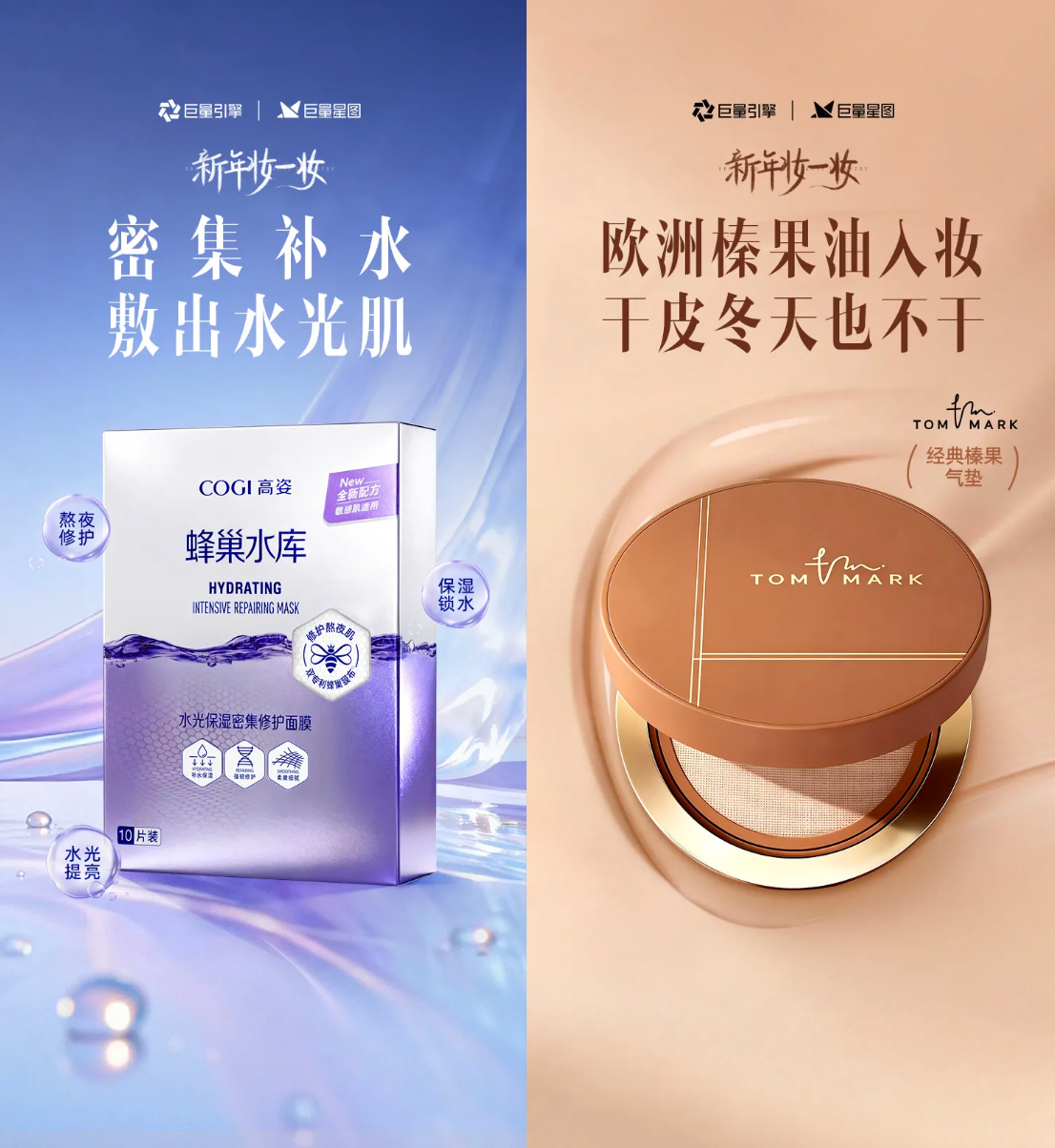
International brands that have gained a foothold in this market are those that customize their offering to fit the holiday spirit. This does not mean simply creating a seasonal package. It involves creating a cohesive narrative where the product is the solution to a specific festive need—whether that is a "luminous" skin finish for a winter party or a calming scent for a holiday reset.
Furthermore, the role of Key Opinion Leaders (KOLs) has evolved from simple endorsement to full-scale scenario creation. In the ecosystem of Chinese marketing, influencers serve as the bridge between "being seen" and "being chosen." By partnering with creators who span diverse content categories—from music and film to lifestyle and home decor—international brands can extend their reach far beyond the beauty niche. This strategy creates a robust path to conversion: content activates emotion, influencers direct the traffic, and the integrated "commodity shelf" (e-commerce infrastructure) captures the sale. It transforms the user journey from a scattered browsing experience into a streamlined path of high-intent consumption.
Building Sustainable Influence in the China Market
For international brands, the objective in 2026 is clear: move beyond the "one-off traffic" trap. Many brands make the mistake of focusing solely on the short-term spike of a single campaign. However, the market’s true potential lies in "long-term population asset management." By viewing every campaign as a building block in a wider narrative of brand-consumer dialogue, companies can ensure that their presence in China becomes sustainable.
The beauty industry in China is highly competitive, and consumer needs are becoming increasingly fragmented. To break through the ceiling, international brands must learn to see the emotion behind the choice. Marketing is no longer just about pushing products; it is about providing a living, breathing guide to a better lifestyle. By integrating interactive marketing, seasonal scenario-planning, and an seamless ecosystem that connects content to commerce, brands can ensure they are not just present in the conversation, but leading it.
Interested in exploring bespoke marketing tips and localized strategies for the Chinese market? Feel free to reach out to us!
