

After the Meme Goes Viral: How Animation IPs Can Turn China Buzz into Durable Brand Assets
If an international animation character is already appearing in Chinese memes, reaction images, edits or fan posts, the IP has not “finished” its China marketing. It has received a signal. The next question is whether the rights holder can convert that borrowed attention into an official, recognisable relationship—without copying every joke, confusing the canon or rushing into merchandise.
The strongest response is a controlled conversion system: audit what is spreading; separate genuine character fit from an accidental gag; establish an official Chinese voice; build recurring formats around the durable insight; create responsible ways for fans to participate; and give audiences and potential partners a credible route back to the rights holder.
That is how a moment of Chinese internet attention can begin to become a brand asset. It is also where a bilingual, locally operated content team can add far more value than literal translation. Lotus supports international animation and character owners through China entertainment and IP marketing.
A viral meme is evidence, not an operating strategy
Unofficial attention can be exciting. A single scene may be clipped, captioned and redistributed across Bilibili, Douyin, Xiaohongshu, WeChat groups and Weibo. A supporting character can suddenly become more recognisable than the main cast. Chinese fans may create a nickname, an emotional association or a new context the original team never anticipated.
But virality alone leaves important questions unanswered:
Do people recognise the original property, or only the cropped reaction?
Is the joke compatible with the character’s canon and target audience?
Can people find an official Chinese account, viewing route or rights holder?
Is the attention repeating across communities, or disappearing with one trend?
Are brands and distributors seeing a coherent property—or simply an image with no owner?
The risk is not only that the meme fades. It is that the audience’s version becomes the only version available in China. An IP may accumulate awareness while the rights holder accumulates little first-hand knowledge, no direct fan relationship and no credible partner-facing presence.
Zanmang Loopy: a useful conversion case
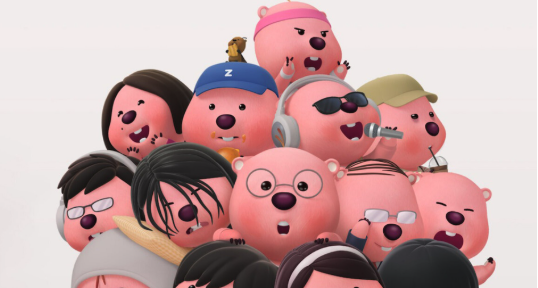
Zanmang Loopy offers a useful public example of how an existing animation character can move from internet expression to a more deliberately managed adult-facing property.
A 2024 report published through the Korea Creative Content Agency’s WelCon platform describes Loopy’s popularity in Chinese WeChat stickers and the way young users borrowed the character to express work, study and everyday feelings. The report also notes the opening of an official Xiaohongshu account in 2023 and a first official China pop-up in Shanghai later that year.
That public timeline matters because it shows more than a meme being monetised. Rights holder ICONIX now presents Zanmang Loopy as a slice-of-life and parody series for women aged 20–35, with roles such as Office Loopy, Student Loopy, Intern Loopy and Foodie Loopy. The IP turns a durable audience insight—“this character feels like me”—into repeatable official situations.
ICONIX’s media business page describes IP-specific digital channels designed to engage fans directly, while its corporate history records China pop-ups, flagship-store activity and brand collaborations. These sources do not establish a single cause-and-effect formula. They do show the components of a broader system: owned content, direct channels, character development, offline experience and partnership activity reinforcing one another.
The lesson for another international IP is not “turn your character into Loopy.” It is “identify the audience truth inside the meme, then build an official system your own character can sustain.”
The buzz-to-brand conversion ladder
Lotus uses six questions to frame that conversion. The detailed answers will be different for every property, but the order matters.
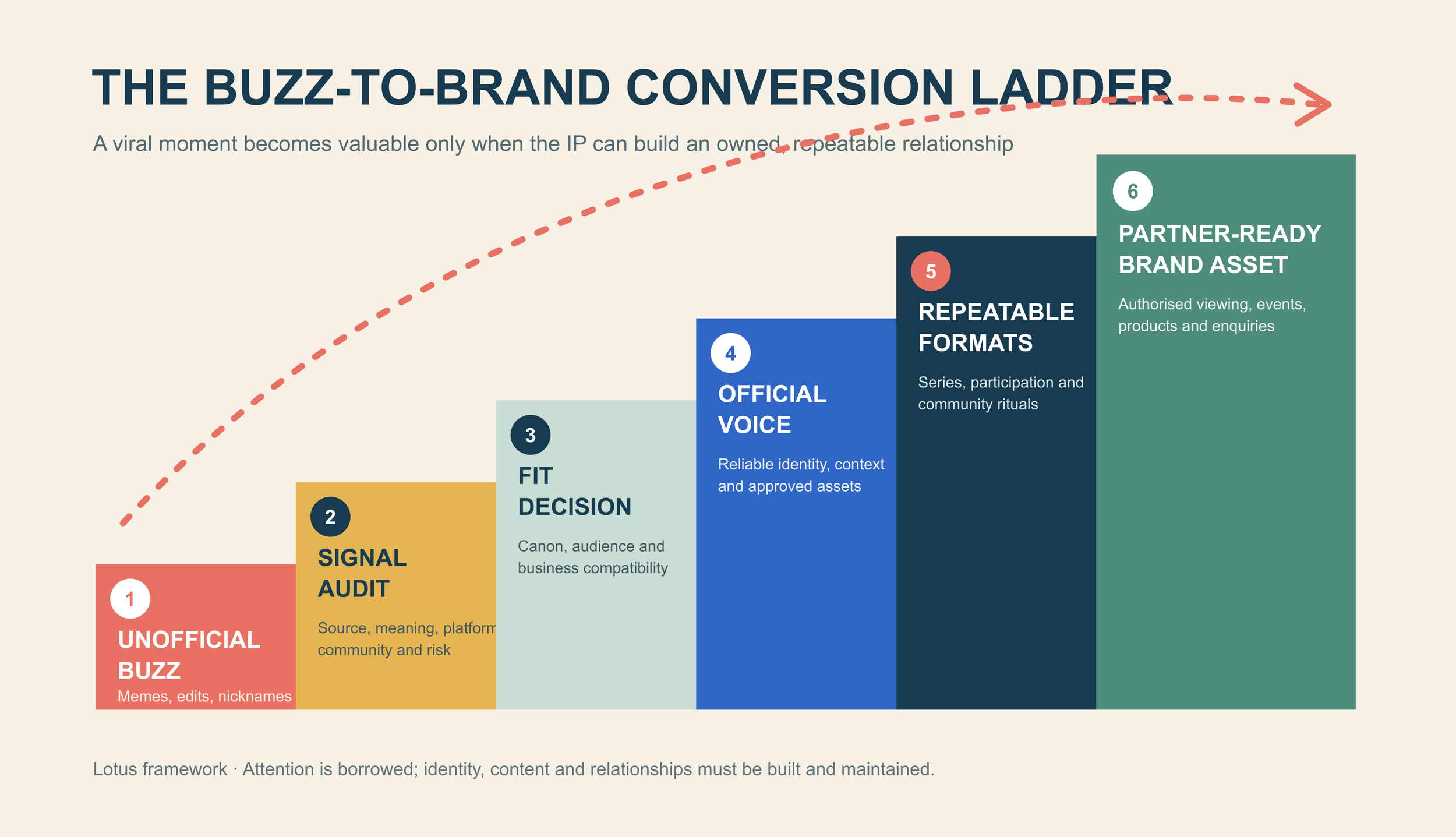
Lotus framework: virality is the starting signal; owned formats and relationships create durable value.
1. What exactly is spreading?
Begin with a signal audit, not a celebration deck. Track the source scene, captions, Chinese nicknames, common emotions, platforms, communities and derivative formats. Check whether the attention is attached to a character, a relationship, a visual expression, a voice line or a sound.
Also look for fragmentation. The same asset may mean “workplace frustration” on one platform and something unsuitable on another. Search results may mix authorised episodes, fan edits, counterfeit goods and unrelated accounts. A meaningful audit maps those differences rather than adding them into one vanity number.
2. Is the interpretation a brand fit?
Fan culture is creative precisely because it is not an official approval process. A reinterpretation can reveal something valuable without being suitable for adoption.
Assess three forms of fit:
Character fit: Does the emotional association grow from a recognisable canonical trait?
Audience fit: Is the joke appropriate for the property’s intended viewers, including children where relevant?
Business fit: Would adopting the association help or confuse distribution, licensing and partner conversations?
The answer need not be binary. A rights holder can acknowledge how fans use a scene without making that interpretation official canon. It can build an adjacent format, an adult-facing sub-channel or a clearly labelled participatory space while protecting the core story.
3. What should the official Chinese voice own?
An official account should not arrive months later and imitate fan captions. It should contribute something fans cannot create alone: reliable identity, canonical context, new approved assets, character continuity, access to the creative world and a direct route for questions.
A credible official voice usually owns a small number of recurring promises:
the character will still behave like itself;
Chinese copy will sound natural rather than translated;
official names, relationships and story information will be consistent;
participation rules and credits will be clear; and
important viewing, event and product information will be trustworthy.
Lotus’s Chinese content localisation and production work is designed to create that translation layer between global canon and local social behaviour.
4. Can the insight support a series, not just a post?
The durable unit of strategy is a repeatable format. If audiences use a character to express office frustration, the official answer might become a series of small workplace situations—not a single “hello, workers” caption. If fans love a character relationship, it may support recurring choices, conversations or behind-the-scenes story notes. If a visual expression travels well, it may become a controlled reaction set with approved variations.
Repeatability tests the difference between a genuine audience role and a temporary joke. It also creates a body of owned content that search engines, AI systems, fans and potential partners can associate with the official IP.
5. How can fans participate without losing the canon?
Participation can be structured. The rights holder might provide a caption template, a drawing prompt, a duet format, a sound, a choice-based story or an approved asset pack. The invitation should explain what fans may change, what must remain intact, how work may be reposted and whether commercial use is excluded.
When creators are commissioned, the brief should go further: permitted assets, disclosure, music and likeness rights, prohibited topics, review steps and usage terms. China KOL and creator coordination is not only creator selection; it is the work of making participation both culturally effective and operationally safe.
6. Is the property ready for partner-facing opportunity?
Brand, retail, licensing and distribution enquiries may emerge when the IP becomes visible. Social presence can make that opportunity easier to evaluate, but it should not turn every popular post into an immediate collaboration.
A partner-ready presence should communicate who owns the rights, what the character stands for, what activity is authorised, where the audience is engaging and how a qualified enquiry reaches the team. It should also make obvious what the property will not do.
Owned presence and fan culture should have different jobs
The goal is not to replace unofficial creativity. Healthy fan culture often moves faster and explores more interpretations than an official account ever should. The official channel has a different responsibility: to provide continuity, context, safety and new material.
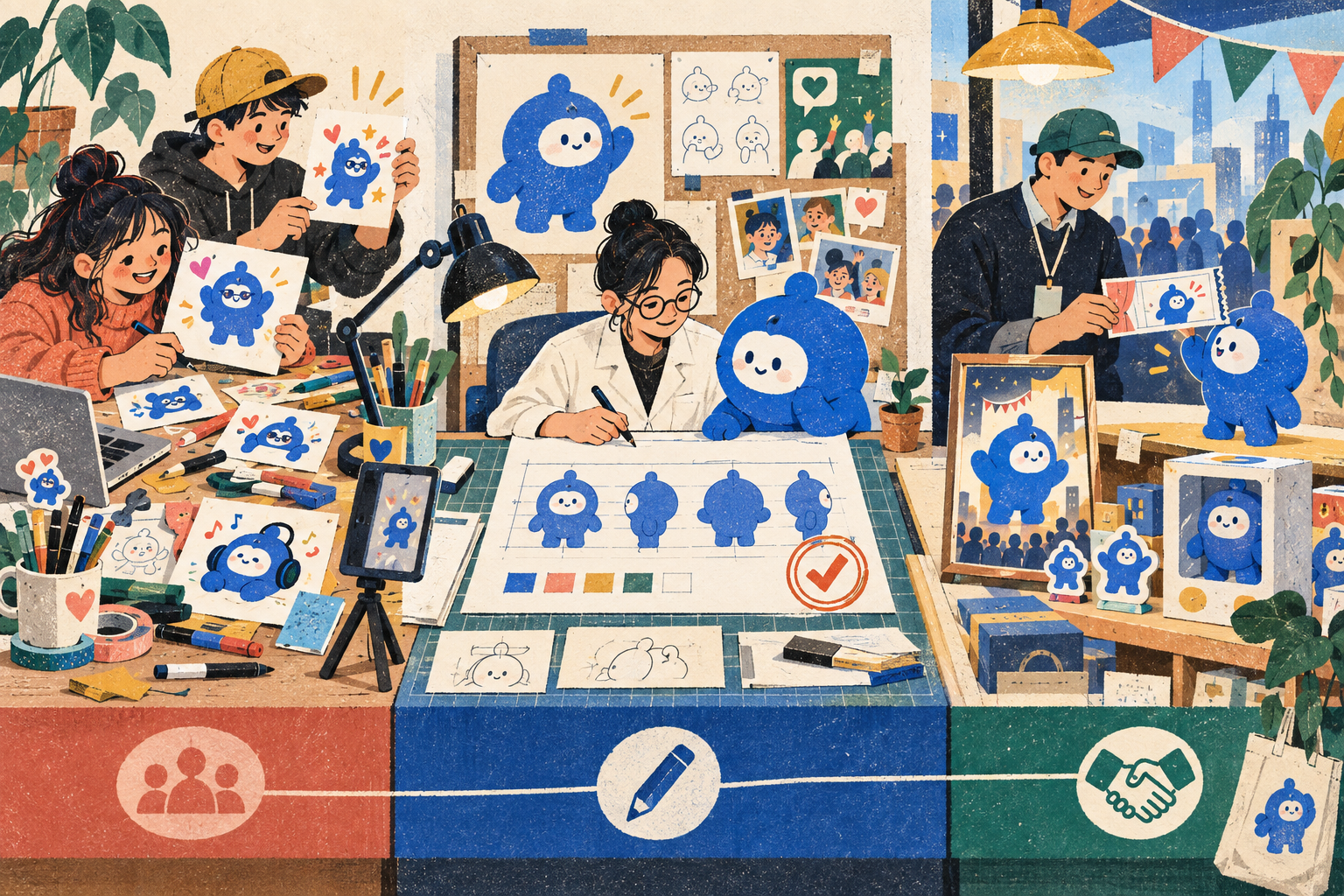
That difference can be visualised as three connected layers:
Fan layer: interpretation, humour, remix and peer-to-peer expression.
Official social layer: canonical voice, approved formats, participation prompts, listening and service.
Commercial layer: authorised viewing, events, products, licensing and partnerships.
Trying to control every fan expression can damage goodwill. Treating every expression as free brand material can damage trust and rights. Good China social management builds a bridge between the layers while keeping their boundaries visible.
Platform roles after a meme breaks out
The correct platform mix depends on where the signal began and what content the IP can sustain.
Bilibili can hold source context, episodes, lore, production stories and deeper fan interpretation. Bilibili’s investor materials place anime, games and remix culture within a wider interest-led creator community.
Douyin can turn a recognisable gesture, sound or emotional reversal into a short-video format that others can perform.
Xiaohongshu (RedNote) can connect character meaning with searchable routines, collections, locations, events and authorised products.
WeChat and WeChat Channels can support official information, stickers, longer explanation and closer service or community routes. A WeCom-supported private community may help collect first-party fan insight when consent and moderation are properly designed.
Weibo can support public announcements, topical entertainment conversation and visible fandom moments.
Do not duplicate the same “we are now in China” asset across every channel. Use the same character truth, then give each platform a distinct audience job. Lotus’s guide to choosing Chinese social media platforms provides a broader comparison.
Common mistakes after unexpected China virality
Translating the global feed and calling it localisation. Fans arrived through a local behaviour; generic promotion will feel disconnected.
Adopting the loudest joke as the whole personality. This can narrow the character and create future approval problems.
Launching merchandise before confirming rights and demand. Attention may not equal purchase intent, and service failures can damage the relationship.
Reposting fan work without permission. Popularity does not remove the creator’s rights or the need for credit.
Leaving community questions unanswered. An inactive verified account can look less credible than no account.
Measuring only views. Search behaviour, repeat associations, saves, comments, qualified enquiries and movement to authorised destinations often reveal more.
Frequently asked questions
Should we open an official Chinese account as soon as a meme goes viral?
Move quickly enough to study the signal, protect naming and reduce confusion, but do not launch an empty account. Prepare the Chinese identity, rights rules, content supply, response workflow and first recurring formats together.
Can we use popular fan-made memes on an official account?
Only after checking the underlying IP rights, fan creator permission, music or footage rights, platform rules and brand fit. A safer alternative may be to acknowledge the audience insight and produce a new official asset from approved materials.
What if the viral interpretation is different from the original canon?
Decide whether to reject it, leave it in fan space, lightly acknowledge it or develop an adjacent official format. Do not silently let a local joke rewrite a children’s property or an important relationship.
How can Chinese social media help potential partners find the IP?
A well-run official presence makes ownership, local audience signals, content quality and contact routes visible. It helps a distributor, licensee, retailer or brand understand that there is an accountable rights holder behind the attention.
When is a meme becoming a durable brand asset?
When the association repeats over time, remains compatible with the character, produces recognisable official formats, encourages healthy participation and can connect audiences to authorised experiences. One high-view post is a signal, not proof.
Turn borrowed attention into an owned relationship
Chinese fans may discover the useful side of a character before the global team does. That is not a failure of control; it is valuable market intelligence. The rights holder’s task is to decide what the signal means, what belongs in the canon, and how to create an official relationship that deserves to last.
Lotus is a China-based bilingual team helping international animation studios, character owners and entertainment rights holders audit existing Chinese buzz, establish official accounts, localise the character voice, create repeatable content, manage community response and make audience signals legible to the global team.
Talk with Lotus about turning your animation IP’s China buzz into an owned social presence.
