

Why International Brands Are Now Showing Their Overseas Shelves to Chinese Shoppers
During this year's 618 shopping festival, cross-border health supplement sales on Tmall Global grew sharply — vitamin D up 122%, magnesium up 180%, fish oil up 137%. The numbers tell one story. But a quieter shift happening alongside those sales figures may matter more in the long run for any international brand thinking seriously about China marketing.

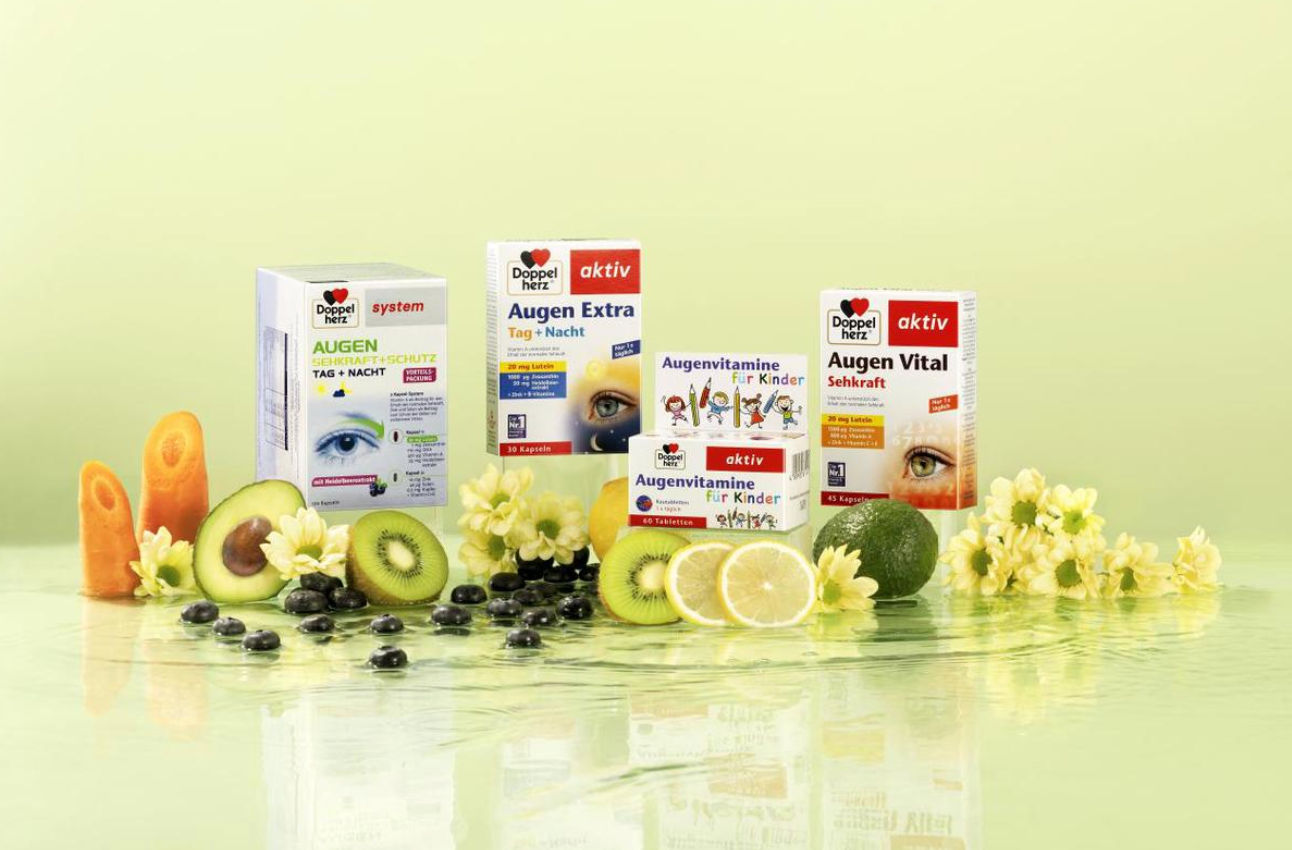
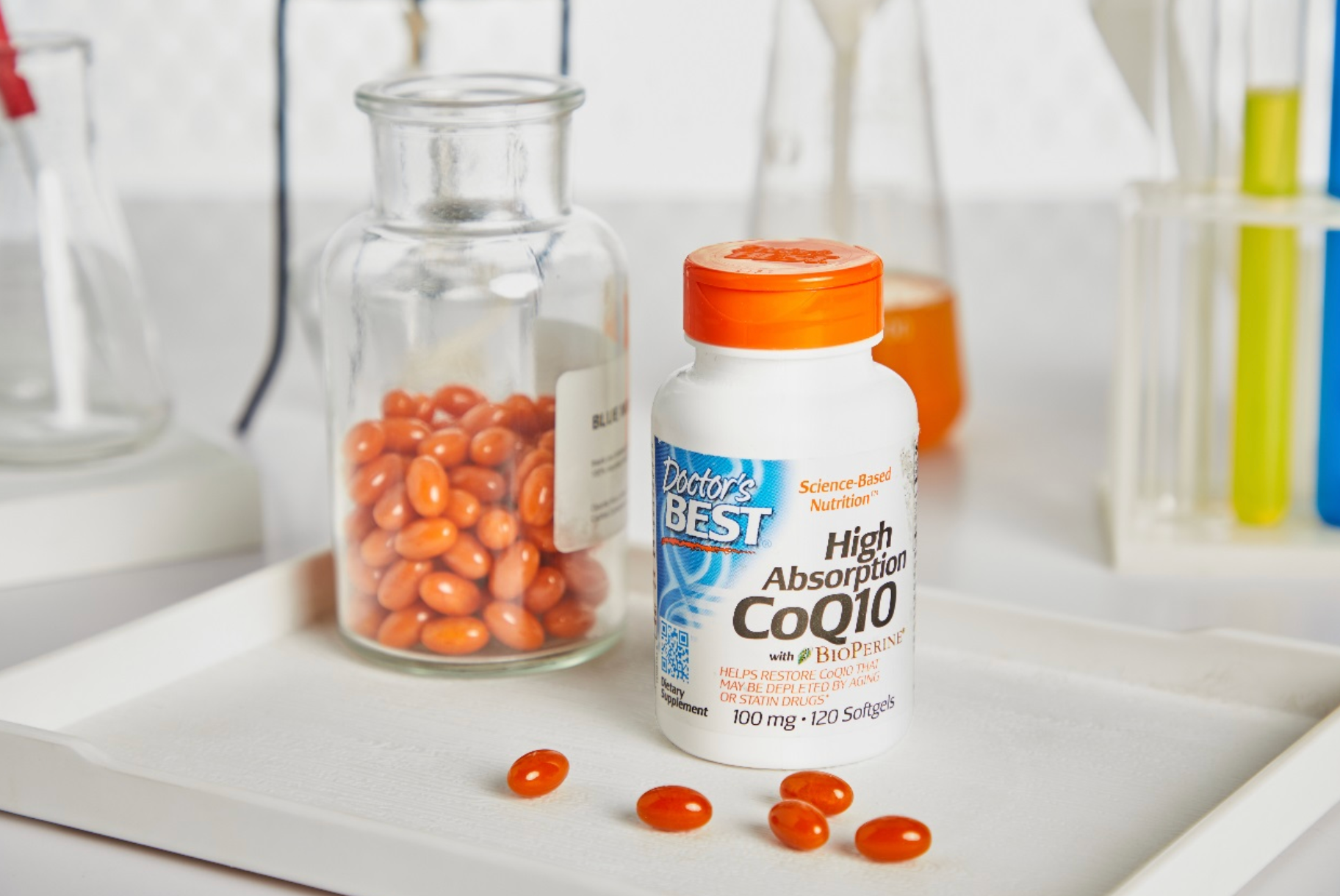
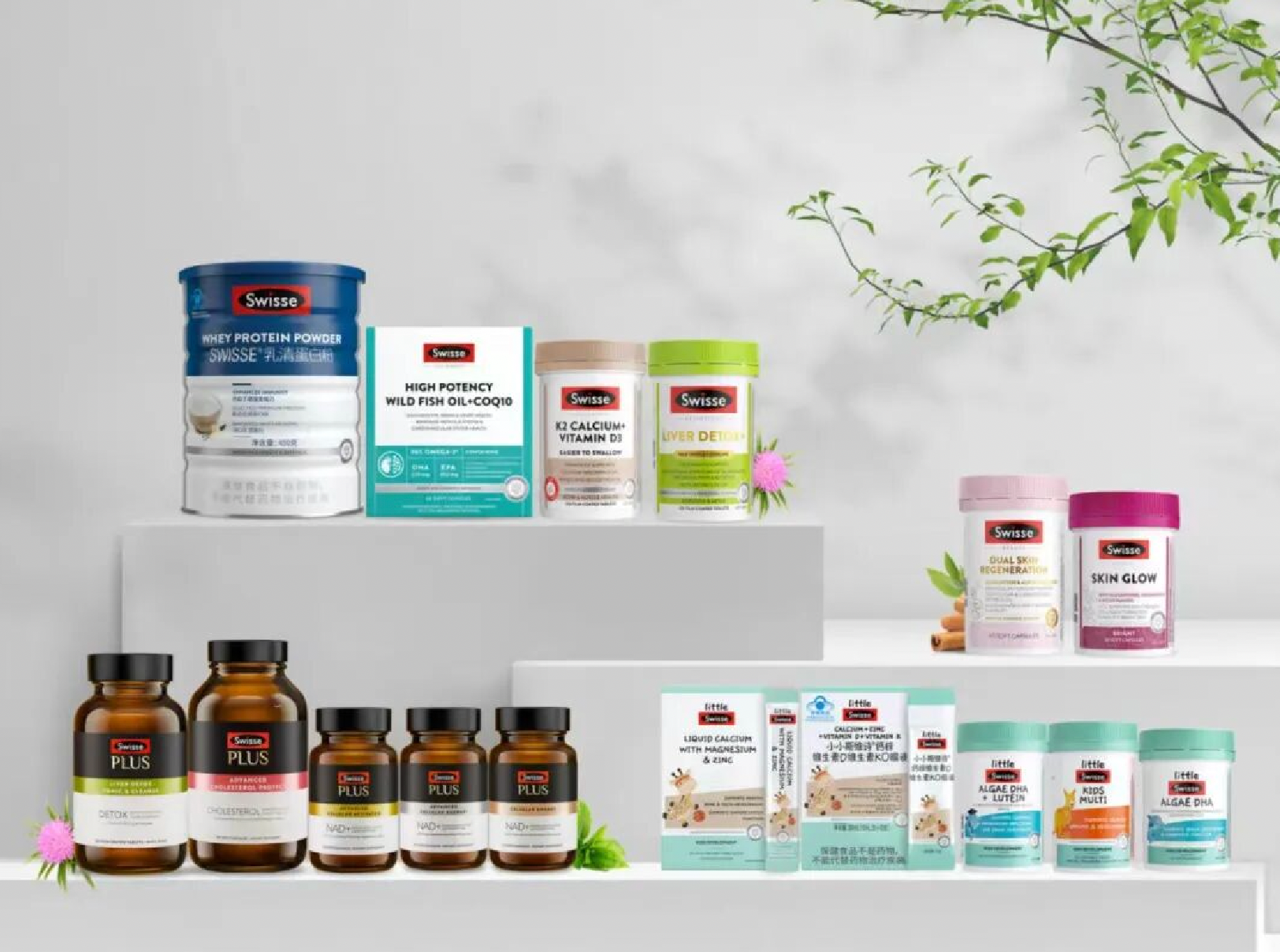
Brands including Swisse, Doppelherz, and Doctor's Best began displaying real-world photos and videos of their products on overseas supermarket and pharmacy shelves — directly inside their Tmall product listing pages. This wasn't a spontaneous creative decision. It was the result of a platform initiative called the Tmall Global "Global Source Tracing Program," which has now attracted more than 150 international brands across health, food, beauty, mother and baby, and pet care categories, spanning 32 countries and regions. What's unfolding is a fundamental rethink of how trust gets built in China's cross-border e-commerce environment — and it has practical implications well beyond the health supplement category.
The Trust Problem That Certifications Alone Can't Solve
For years, the standard way international brands tried to build credibility with Chinese consumers was through documentation: certification records, quality awards, brand heritage narratives, manufacturing credentials. The problem is that these assets, however legitimate, are genuinely difficult for ordinary consumers to evaluate. A page of regulatory certifications from a country they've never visited, issued by bodies they've never heard of, written in a language they may not read — none of this creates the kind of felt confidence that drives a purchase decision.
The person responsible for Doppelherz's China operations put it plainly: even with all the brand's genuine credentials on display, consumers couldn't easily distinguish between legitimate international brands and those making inflated or misleading claims. A hundred years of German heritage means little if the Chinese consumer has no way to verify that the product is actually what's sold in German pharmacies today.
The friction this creates is specific and familiar to anyone who has managed cross-border commerce in China. Consumers ask the same questions repeatedly in customer service interactions: "Is this actually made in Germany?" "Is this the same product they sell there?" "How do I know this isn't just branded for export?" On Chinese social media, these doubts circulate openly and shape purchase decisions at scale. Documentation doesn't answer these questions in a way that feels satisfying. A real video of a real shelf in a real store does.
What the Global Source Tracing Program Actually Requires
Tmall Global's program addresses this gap through a standardized, verifiable, visual verification system. Participating brands must submit three categories of materials.
The first is proof of origin — documentation confirming the product is genuinely manufactured in its claimed country of origin. The second is a certificate of free circulation or market authorization in the originating country — confirmation that the product meets domestic safety and quality standards in its home market and is legally sold there. These first two categories aren't new in concept, but the third is what makes this program genuinely different from prior approaches.
The third requirement is visual evidence of real overseas retail circulation. This means either a continuous, unedited video filmed in a major overseas supermarket or pharmacy — showing the store exterior, the relevant aisle, the product on the shelf, the product barcode — or documented, stable sales performance on a recognized overseas e-commerce platform. The video must be shot without cuts to prevent editing or staging. The result is something consumers can actually understand: footage of a recognizable retail environment showing a familiar product in its natural habitat.
Once verified, a "Global Source Tracing" certification badge appears on the product's listing page. Consumers who click it can watch the footage or view the evidence directly. What was previously a dense stack of professional documentation becomes a thirty-second video that answers the question "does anyone actually buy this there?" better than any written credential ever could.
What Happened When Brands Started Showing Their Shelves
The brands that have gone through this process report tangible results, and the pattern is consistent enough to suggest the underlying mechanism is real.
Doppelherz filmed in DM, a supermarket chain widely recognized in Germany and across Central Europe. The footage showed the store's exterior, the relevant product aisle, and the brand's products in their standard retail position alongside competitors, with barcodes and price labels visible. After the evidence went live on their Tmall listing, inquiries from customers asking "is this really from Germany" and "is it the same as what they sell there" dropped noticeably. Customers were spending less time deliberating and converting more quickly.
Swisse reported that after adding the Global Source Tracing badge to its listings, click-through rates on product pages exceeded 70%, with conversion rates and average order values both improving by double-digit percentages. The director of e-commerce at Biostime Group, which manages Swisse's China operations, stated directly that authentic overseas provenance has become a significant factor in consumer purchasing decisions — not just a nice-to-have brand story, but an active driver of conversion behavior. Doctor's Best has made full supply chain transparency a strategic priority and joined the program accordingly.
The common thread is that visual, verifiable evidence of real overseas retail presence is doing something that traditional brand communication couldn't: it moves consumer trust from the rational evaluation stage to the intuitive recognition stage. Instead of asking "should I believe this brand?" the consumer's question becomes "where do I click to buy?"
Why This Matters Beyond Nutritional Supplements
We think it would be a mistake to read this as a story that's only relevant to health supplement brands. The dynamic at work — the gap between claimed credentials and felt consumer confidence — affects almost every international brand category operating through cross-border channels in China.
In beauty, consumers ask whether a product formulation sold in China is the same as the one sold at the brand's home country counters. In baby products, parents want to know whether what arrives at their door is the same thing trusted by parents in the originating country. In pet nutrition, the same logic applies. Across categories, the credibility gap between "we're internationally certified" and "here's what the shelf actually looks like" is significant — and Chinese consumers, who have become increasingly sophisticated in evaluating cross-border purchases through years of exposure to Chinese social media review culture, are attuned to the difference.
For international brands, the practical implication is this: the assets that matter most for building trust in China's cross-border e-commerce environment are increasingly the ones that are hardest to fake. Documentation can be replicated or manipulated. Footage of a genuine retail environment, showing a product in its normal competitive context on a real store shelf, is substantially harder to fabricate convincingly — and consumers sense this. The brands that can produce this kind of evidence have something real to show.
What International Brands Should Consider Now
Cross-border commerce in China is shifting from an era of storytelling to an era of showing. Brands that have genuine overseas retail presence — products that are actually on shelves in supermarkets, pharmacies, and recognized retailers in their home countries — now have the opportunity to convert that real-world position into a visible, clickable competitive advantage in the Chinese market.
The investment required isn't large. A well-produced shelf video filmed at the right retail location, combined with clean documentation of market authorization and origin, is the starting point. But the strategic decision to treat verifiable provenance as a brand asset — rather than an administrative formality — is what distinguishes brands that build lasting trust from those that remain interchangeable in the consumer's mind.
In Chinese marketing, consumer trust is not given; it is built incrementally through every piece of evidence a brand puts in front of its audience. The Global Source Tracing model is a platform-specific mechanism, but the principle it reflects applies across every channel international brands use to reach Chinese consumers: show, don't just tell. And show in a way that can be verified.
Interested in exploring bespoke marketing tips and localized strategies for the Chinese market? Feel free to reach out to us!
