

What should happen after someone watches a brand video? For an international business in China, that question can be more valuable than asking how to maximise a view count. A person may want to compare products, ask a service question, find a location or speak with someone before buying. The video is one part of a larger journey.

The analysis discusses Wechat Video Channel alongside WeCom, AI-related discovery and local-service features. Its central idea is that these connections could help businesses move from public attention towards continuing customer relationships. That is a useful direction to examine, provided the available functions and operating conditions are checked for the actual account.
For China marketing, we would translate the opportunity into a practical design task. Useful Chinese social media content should lead to an appropriate next step, and the organisation should be ready to respond. A platform update can create possibilities, but it does not by itself establish demand, guarantee low-cost reach or deliver a reliable customer experience.
The Journey Begins With a Customer Need
Before choosing a video format, a brand should identify the question the audience is trying to answer. A shopper considering a product may need a demonstration. A business customer may want an explanation of a service. Someone interested in a physical location may need to understand what happens there and how to arrange a visit.
These needs suggest different content and follow-up routes. A short introduction can create awareness, while a longer explanation may help someone evaluate details. A service enquiry needs a person or process able to handle the next question. The brand should avoid asking the video to perform every job at once.
We would map one complete journey before scaling production. What does the viewer learn? What can they do next? Who responds? What information carries into that conversation? This makes the content plan more concrete and exposes gaps that a purely creative brief may overlook. The goal is not simply to attract attention, but to make useful attention easier to act on.
WeCom Can Support the Next Conversation
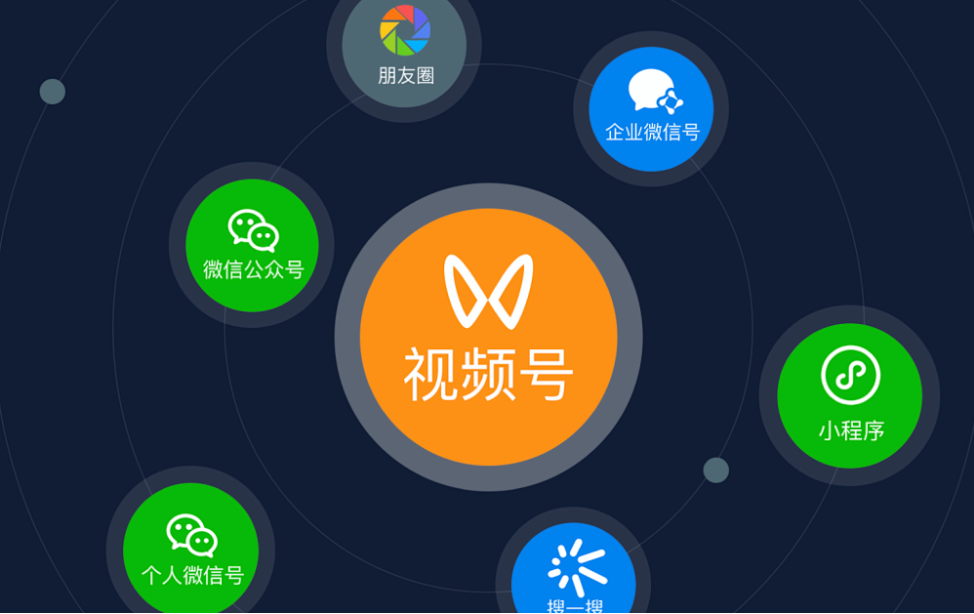
The account places particular emphasis on connections between video activity and WeCom. The underlying commercial idea is that a consumer who wants further help can move into a more direct service conversation. For a brand offering complex products or considered purchases, that continuity may be important.
However, the exact connection tools, permissions and operating rules need confirmation. A brand should not assume that every account can use the same placement or follow the same route. The approved customer journey should be designed around the functions available to that business, rather than around a generic claim that all restrictions have disappeared.
The service process matters just as much as the entry point. If the viewer asks a question, staff need the relevant product information and a clear responsibility to respond. The conversation should continue the promise made in the video. A convenient contact mechanism can remove friction, but it cannot compensate for an unclear answer or an unattended enquiry.
Useful Expertise Needs a Human Explanation
The account argues for professional knowledge and practical value rather than relying only on attention-grabbing tactics. That is a helpful editorial direction, especially where a customer needs confidence before acting. Expertise becomes persuasive when it addresses a recognisable question in language the audience can follow.
For international brands, this might involve a product specialist, a store employee or another appropriate local voice explaining a real situation. The person does not need to deliver a formal corporate presentation. A clear demonstration, a common misunderstanding or an honest comparison can make the information easier to understand and remember.
We would avoid equating professionalism with length or jargon. A concise answer can show more expertise than a long speech if it resolves the question accurately. The brand should identify what the viewer needs to know, show the relevant evidence and leave room for follow-up. That approach can support trust without turning every video into a sales pitch.
Sharing Is a Behaviour to Understand
The account contrasts social recommendation with other forms of video distribution and makes strong claims about the relative importance of platform signals. Precise recommendation weights should not be assumed. It would therefore be misleading to treat a specific distribution sequence or ranking formula as a confirmed operational rule.
Brands can still think carefully about why someone would share a piece of content. It might answer a colleague’s question, help a friend compare options or explain a familiar difficulty. Those motivations are useful creative inputs even without certainty about how the platform ranks the resulting activity.
We would make the content worth passing on by giving it a clear use. That does not require an exaggerated headline or artificial conflict. A practical explanation can be shared because it saves someone time or helps them make a decision. The brand should then examine actual audience behaviour rather than assume that usefulness will automatically produce a particular reach.
AI Discovery Remains a Testable Possibility
The analysis presents AI-related discovery as a potential source of future attention within the WeChat ecosystem. International brands can prepare for changing information habits by making product and service information clearer, more consistent and easier for people to understand. That is useful work regardless of how a particular discovery feature develops.
It is not a basis for promising that an account will be recommended by AI. Availability, presentation and selection can differ, and the account does not provide a confirmed method for securing placement. A brand should distinguish preparation for a possible discovery route from a guarantee of new traffic.
We would begin with information quality: recognisable product names, accurate descriptions, clear locations and answers to common questions. If a relevant discovery feature is available, the team can observe how the brand appears and whether users find it useful. The result should inform the next adjustment. Speculative traffic forecasts are less helpful than evidence from the actual customer path.
Local Services Need an Operational Link
The account also discusses POI and group-buying functions as part of local commerce. For an international brand with physical locations, connecting content with a local experience can be valuable. A video may help someone understand a store, a service or an event before deciding whether to visit.
The practical questions are specific. Is the feature available to the relevant account and category? Is the location information accurate? What is included in the offer? Can staff deliver it consistently? A campaign that generates interest but leaves these details unclear can create frustration at the point where the brand most needs confidence.
We would test one location or offer before treating local commerce as a network-wide solution. The team can examine enquiries, bookings, attendance and service feedback within a defined period. This also helps distinguish online interest from a completed local experience. The content and the operation need to describe and deliver the same thing.
A Contact Is Not a Finished Relationship
The account uses strong language about customer assets moving into a brand’s control. A more practical view is that a contact creates the possibility of an ongoing relationship. The brand still depends on the tools it uses, the customer’s willingness to engage and the quality of the communication that follows.
Collecting contacts without a service purpose can produce a large list with little commercial meaning. A useful follow-up should relate to what the person asked for or agreed to receive. The tone, timing and content need to make sense from the customer’s perspective, rather than simply reflect the brand’s campaign calendar.
For international brands, we would design a manageable follow-up process. Staff should know when to respond, what information to provide and when a conversation needs a specialist. The aim is continuity and relevance. A relationship becomes valuable because the customer finds it helpful, not because a name has been added to a system.
Adapt Content Without Oversimplifying Platforms
The account warns against transferring a successful format from another platform without adjustment. That is sensible, but the explanation should not reduce one platform to entertainment and another to trust. Consumers can seek both practical information and enjoyment in different contexts, and a brand should investigate its own audience rather than rely on an absolute contrast.
We would adapt the communication around the expected task. A video introducing a product can be visually engaging while remaining accurate. A service explanation can be warm and concise without losing detail. The appropriate balance depends on the topic, audience and next step, rather than a formula that every post must follow.
The team can compare several content approaches within a controlled scope. Keep the product information consistent while varying the question, presenter or format. The resulting enquiries and customer feedback can reveal which explanation works best. This is more useful than copying a supposedly universal script and assuming that weak results mean the platform has no potential.
Measure Progress Beyond Views
A focused pilot should connect content performance with customer behaviour. Views indicate exposure, while meaningful enquiries, bookings and completed purchases show different forms of action. Service feedback and later interactions help reveal whether the experience met the expectation. None of these measures replaces the others.
We would review where the journey loses people. If videos are watched but generate little enquiry, the next step may be unclear or the topic may attract general curiosity. If enquiries arrive but remain unresolved, the problem may be service capacity or missing information. Those diagnoses point to different improvements.
For international brands, Wechat Video Channel can be considered within a wider China marketing system: content helps people understand, a suitable contact route supports questions and reliable service gives the relationship substance. Chinese social media becomes more commercially useful when the brand designs that whole journey and tests it with care, rather than treating every update as an automatic growth opportunity.
Create a Simple Pilot Brief
A useful first brief can be built around one question the brand already receives. Choose a product or service that the local team can explain accurately and support reliably. Identify the intended viewer, the information they need and the action that would make sense after watching. This keeps the exercise small enough to learn from.
The content team and service team should prepare together. The video needs a clear explanation, while the follow-up needs the right person, response materials and available next step. If a function is unavailable to the account, the journey should be revised before publication rather than improvised after viewers begin asking questions.
During the pilot, record what happens at each stage in terms the team can actually observe. Do people watch the relevant part? What do they ask? Can staff answer? Does the proposed next step fit their needs? These questions provide a more useful diagnosis than treating all attention as equally valuable.
After the pilot, change the part that the evidence identifies. The solution may be a clearer video, a better product page or a faster service handover. It may also be a different topic if the original one attracted curiosity without relevance. The value of the exercise is a more dependable journey, not simply another video added to the account.
Want to connect video content with stronger customer relationships in China? Contact us to explore your WeChat strategy.
