

Unlocking the Chinese Digital Landscape for Western Brands
In the hyper-competitive world of global DTC (Direct-to-Consumer) commerce, many Western brands view the Chinese market as a "Great Wall"—impenetrable, complex, and distinctively separate from their home markets. They often assume that success in London or New York translates automatically to Shanghai or Beijing.
It doesn't.
The brands that thrive in China today aren’t just "entering" the market; they are performing a masterclass in cultural translation. To understand how to succeed in the Chinese digital ecosystem, look no further than the success of brands like Energy Muse. While they successfully sold Eastern concepts to Western audiences, the core mechanism of their success—recontextualizing a product into a universal emotional solution—is the exact blueprint Western brands need to conquer China.

Why "Localization" Isn't Enough
Many international brands fail in China because they stop at superficial localization: translating a website or changing a color palette to red.
True cultural translation goes deeper. Energy Muse didn’t sell "crystals" to the West; they sold "energy and wellness solutions" to a stressed, anxious modern society. They understood that the product was merely the vehicle for the emotional benefit.
For your brand in China, the question isn't "What is my product?" but "What pain point is my product solving in the context of the modern Chinese consumer?"
The Chinese consumer is sophisticated: They are not looking for a "foreign" label to feel superior; they are looking for products that solve their specific lifestyle pressures—whether that’s extreme work-life balance challenges, a desire for "Zen" in a fast-paced urban environment, or a specific aesthetic need.
The Pivot: Stop selling your product’s features. Start selling your product as a solution to a uniquely Chinese cultural "friction point."
Defining Product as a "Wellness Tool"
Look at how successful brands dominate platforms like Rednote or Douyin. They don't post product catalogs. They post value.
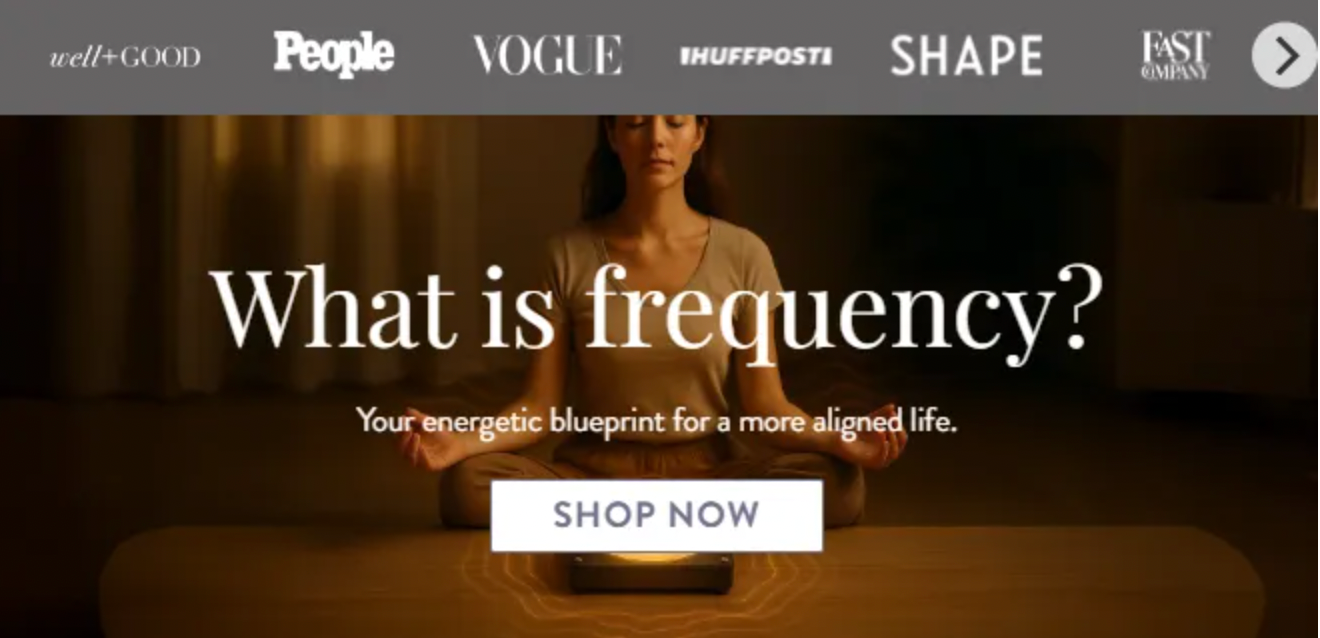
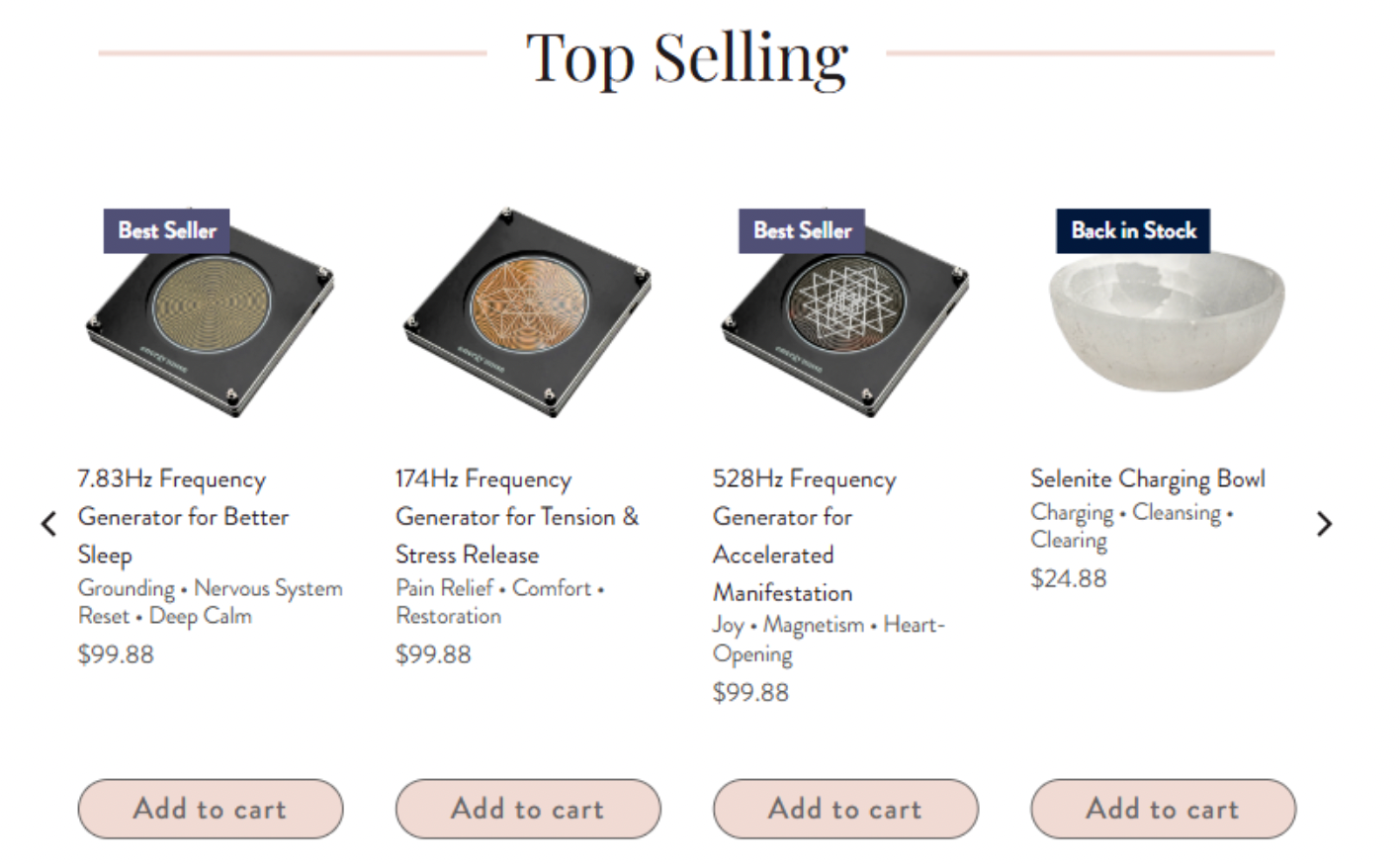
Energy Muse repositioned jewelry as a "wellness tool." Western brands looking to enter China must perform the same pivot. If you are a fashion brand, are you selling clothes, or are you selling the "confident professional look" for a high-pressure corporate environment? If you are a skincare brand, are you selling creams, or are you selling "self-care rituals" for the burnt-out Gen Z worker?
The Strategy:
Move away from the "Imported Luxury" narrative. It’s outdated.
Move toward the "Emotional Utility" narrative. Build content that educates the user on how your product integrates into their daily life to improve their well-being.
The Trust Ecosystem: Leveraging the China Digital Sandbox
Western brands often struggle with the Chinese digital environment because they try to force-feed their home-market marketing tactics (e.g., heavy reliance on static ad spend).
In China, the digital landscape runs on Trust (私域流量/Private Traffic).
Energy Muse thrived because they built a content-first ecosystem. In China, you must do the same. Xiaohongshu is not just a social app; it is a search engine for lifestyle advice. If your brand does not provide the "How-To," the "Story Behind," and the "Educational Guide," you are invisible.
Build an educational content loop: Your marketing should function like a trusted consultant.
Create "Sanctuary" communities: Use WeChat groups to foster direct, intimate relationships with your consumers. When a Chinese consumer trusts your brand’s expertise, they don't just buy your product—they become brand ambassadors.

The Path Forward: From Vendor to Partner
The ultimate goal for any international brand in China is to transition from being a "foreign vendor" to a "lifestyle partner."
Energy Muse succeeded because they understood their audience's internal landscape better than the audience understood it themselves. They turned digital noise into a sense of belonging. To win in China, you must:
Identify the specific cultural tension your brand can resolve.
Translate your narrative so it feels native to the Chinese consumer's psychological needs, not just their language.
Invest in an emotional ecosystem, not just a transactional one.
The barrier to entry in China isn't the distance between countries; it’s the distance between your brand's current messaging and the emotional reality of your Chinese customer.
Ready to stop "importing" and start "translating"? If you are looking to bridge the gap between your global brand identity and the nuances of the Chinese market, we specialize in crafting bespoke marketing strategies that turn cultural differences into your competitive advantage. Let’s discuss how to make your brand resonate.
