

The customer journey in China often involves several teams before a purchase is complete. Marketing creates interest, a store answers a question, customer service clarifies a detail and someone else follows up later. If those teams work with different information, the brand can lose trust even when each individual interaction appears reasonable.

The WeCom 5.0 update described in the analysis is relevant to that problem. It brings AI search, summaries and assistants into workplace collaboration, alongside features for managing information and external relationships. For international brands, the opportunity is not simply to add another communication tool. It is to make the organisation behind the customer experience more coherent.
We see this as a China marketing issue as much as an operational one. A campaign promise has to survive the handover into service. Chinese social media may introduce a product, but the conversation that follows determines whether the consumer receives a useful, consistent answer. Better internal connections can help support that continuity when the underlying information and responsibilities are well designed.
The Update Extends an Existing Connection
The published update describes WeCom serving more than 14 million enterprises and connecting businesses with more than 750 million WeChat users daily. These are figures cited in the account, rather than a count of potential customers available to any one brand. They provide context for the scale of the ecosystem without predicting the reach of a particular campaign.
The account also discusses enterprise mail, external business cards, international collaboration and a private-deployment option. These address different organisational needs. An international brand evaluating the product should distinguish the collaboration features it wants from the deployment and integration work needed to make them usable in its own operation.
Search Starts With Usable Information
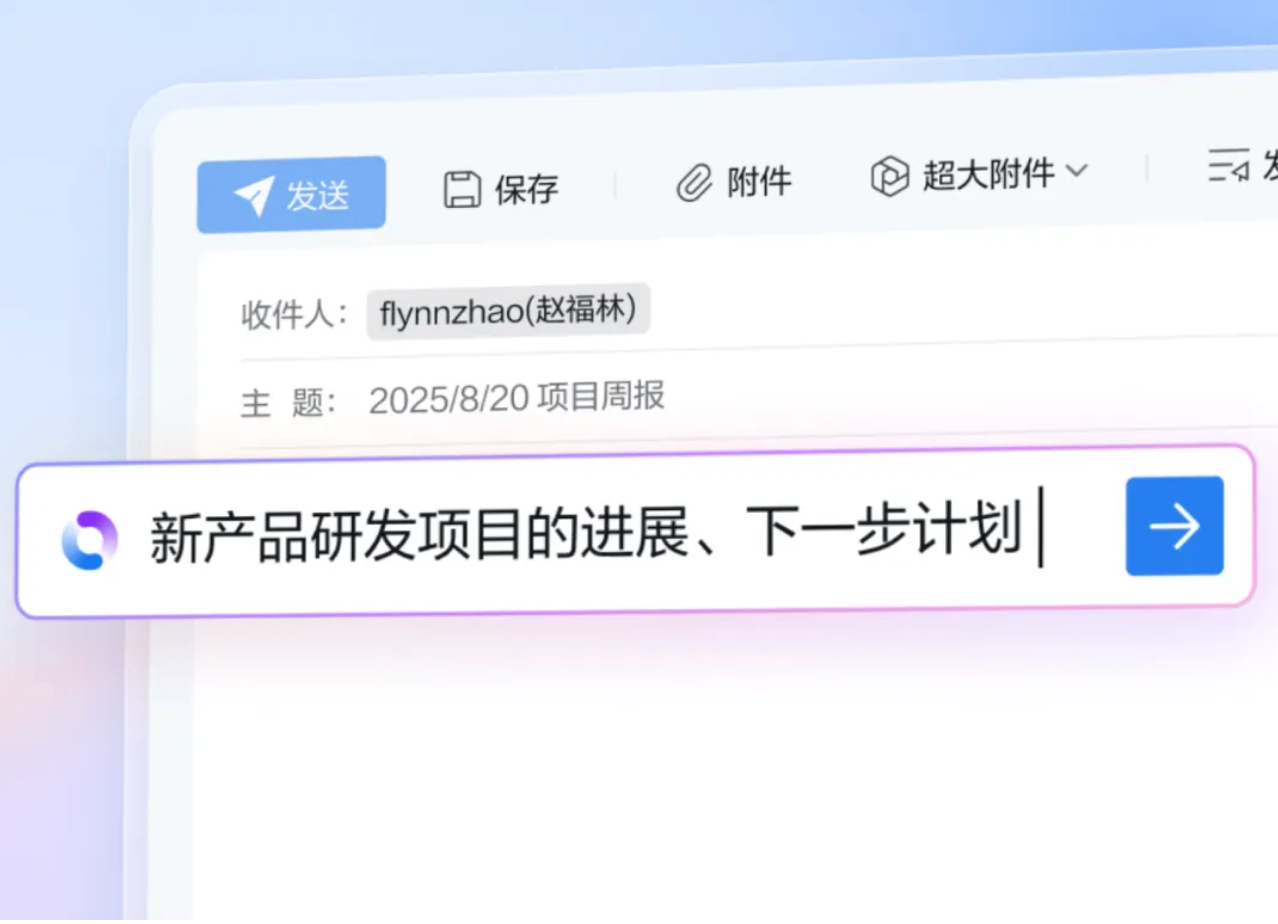
The analysis describes AI search that can interpret questions about past conversations, documents and meetings. In principle, this can reduce the time people spend locating information they know exists but cannot easily find. For a local marketing team, that might include an approved product description, a campaign decision or the latest version of a launch plan.
The practical limitation is that search cannot make unreliable material trustworthy. If several conflicting product sheets remain in circulation, finding them faster may simply expose the disagreement sooner. Before introducing an AI workflow, a brand should decide which document is authoritative, who maintains it and how older versions are identified.
For international brands in China, that preparation can also support localisation. The global product description and the approved Chinese explanation should remain connected. A team member answering a customer question needs to know which wording is current and what it means. The search feature becomes more valuable when the content structure reflects those everyday needs.
Summaries Should Support a Handover
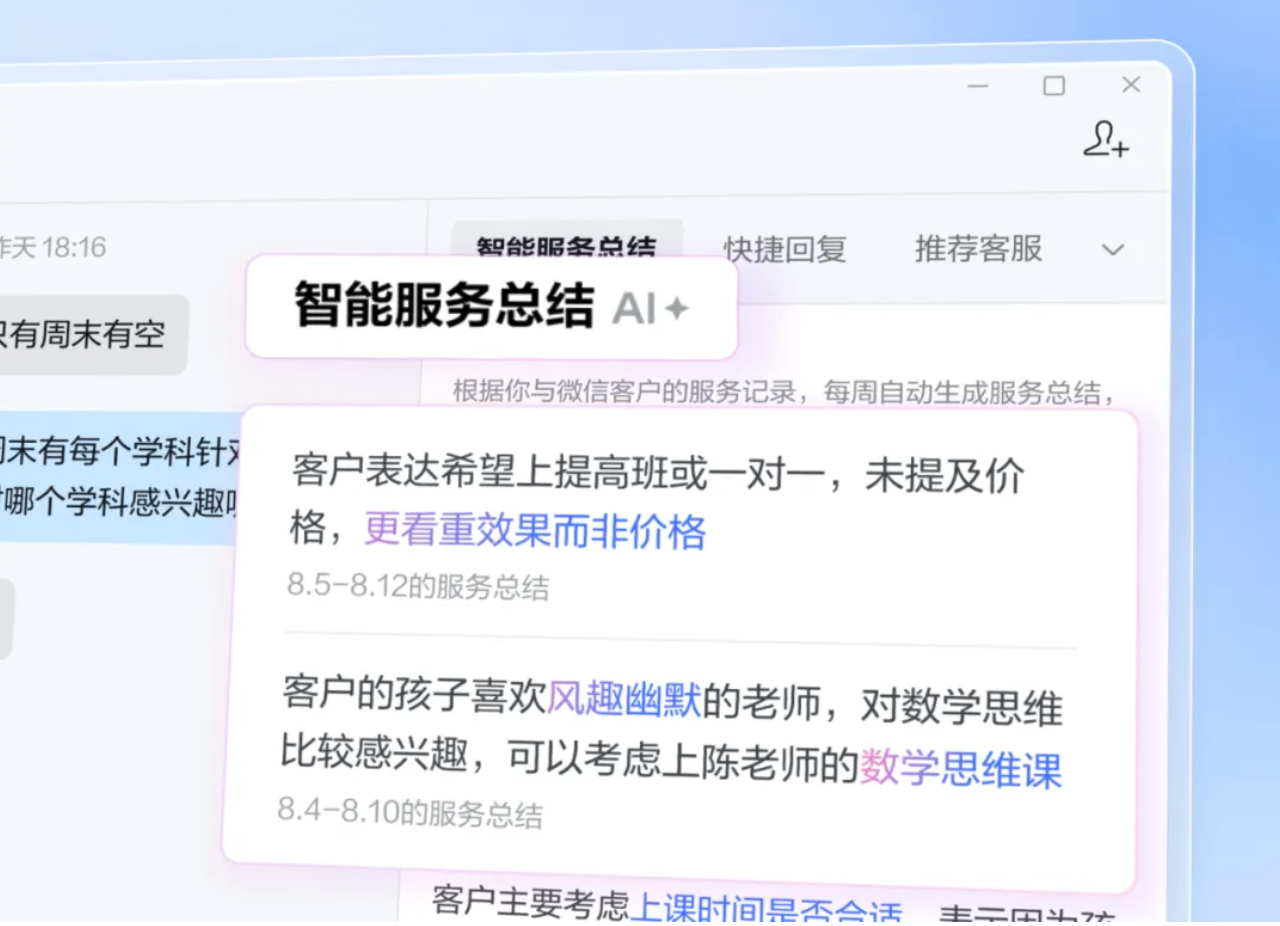
AI summaries can help teams understand a long discussion or project update without rereading every message. The case account describes extracting key information from chats, documents and meetings. This can be useful where several people need a shared view of what has been agreed, what remains open and who should act next.
A summary is most helpful when it preserves the distinction between a decision and a suggestion. In a marketing project, an early creative idea should not become a confirmed claim simply because it appeared in a conversation. Someone still needs to review important outputs and ensure that the action list reflects the actual agreement.
We would use a simple handover format: the customer or project context, the confirmed information, the unresolved question and the next responsible person. An AI-generated draft may accelerate that process, while a human review protects meaning. The aim is to reduce missing context rather than generate a longer report that nobody uses.
Assistants Need a Defined Job
The analysis also discusses intelligent assistants that can answer questions and connect to business systems through APIs. For a brand team, possible applications include locating procedures, preparing routine reports or retrieving approved information. These are different tasks, and they should not be grouped under a vague expectation that an assistant can handle everything.
A focused pilot is easier to assess. For example, a team could test whether an assistant helps staff locate the correct care instructions for one product family. The scope would be clear, the information could be reviewed and the team could identify cases in which the assistant should stop and refer the question to a person.
International brands should also distinguish internal support from customer-facing advice. A draft answer used by trained staff is not the same as an automated message sent directly to a consumer. The appropriate review process depends on that difference. Starting with a narrow, observable task can reveal practical value without promising more autonomy than the workflow can support.
Customer Records Should Improve Continuity
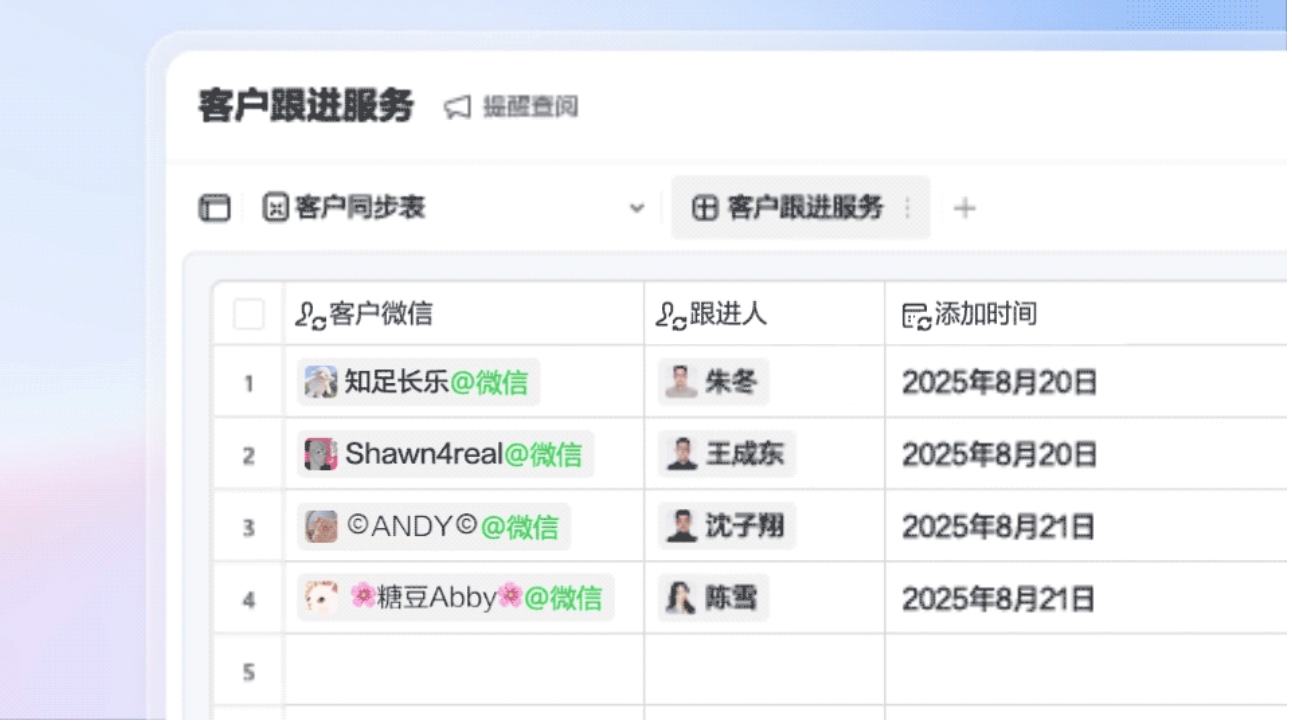
WeCom’s connection with WeChat is central to the customer-service discussion in the analysis. The described features include customer information, follow-up notes and service-progress views. Their commercial value depends on whether they help the next employee understand the conversation, not on how many labels can be attached to a contact.
For a China retail business, a useful record might explain which product the person asked about, what information was provided and whether they requested a later response. That can prevent the frustrating experience of having to repeat everything to a new representative. It can also reduce the risk of different teams making inconsistent promises.
We would keep the record tied to a service purpose. A vague label such as high potential is less actionable than a specific unresolved sizing question. The team should understand what information it needs to provide a better experience and what action follows from it. More data is not automatically better customer care; usable context is what makes the handover work.
Tables Can Connect Campaigns and Service
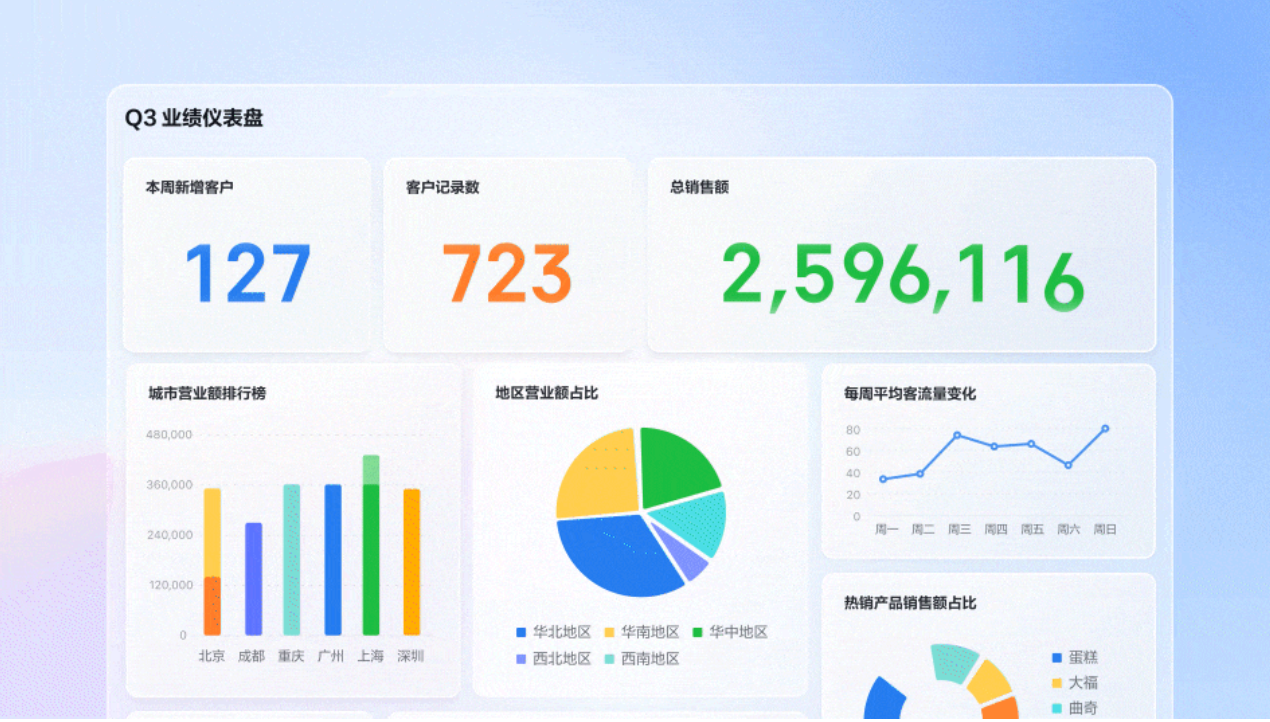
The analysis describes collaborative tables with different views, reminders and dashboards. These features can support marketing operations where tasks, assets and deadlines are otherwise scattered across conversations. A campaign team could use a shared record to track which materials are ready, which product questions are unresolved and which stores need updated information.
The same structure can reveal recurring customer needs. If several stores report confusion about a feature, that observation can become an input to content planning. Marketing might improve a demonstration or product page, while service receives a clearer explanation. This is a practical feedback loop between communication and the experience that follows it.
The system should remain simple enough for staff to use consistently. A large table with unclear ownership can reproduce the same confusion as a crowded group chat. We would start with fields that support a decision or handover, then expand only when the team sees a clear need. The purpose is to make work visible and manageable.
Cross-Border Collaboration Needs Ownership
The account highlights multilingual interfaces, translation and time-zone support in WeCom’s international offering. These capabilities can help geographically distributed teams coordinate, but they do not remove the need for agreed responsibilities. A translated message still needs a clear owner, and an automatically scheduled meeting still needs a decision to make.
For an international brand, headquarters might maintain the core product facts while the China team adapts the customer-facing explanation. Local service staff can identify questions that the global materials do not address well. The collaboration works when those observations return to the people who can update the information, rather than staying in a local chat.
We would therefore design the workflow around recurring decisions. Who approves a product claim? Who resolves a discrepancy? Who updates the Chinese answer after a global change? The tool can make those exchanges easier, but the operating agreement gives them direction. This is particularly useful when a campaign involves global creative teams, local operators and several retail partners.
Treat Performance Examples as Illustrations
The analysis includes many percentage improvements attributed to unnamed organisations. Without the methods, starting conditions and measurement details, these should not be treated as expected results for every business. They illustrate the kinds of efficiency being discussed, rather than establish a dependable forecast for a new WeCom deployment.
The analysis also refers to different dates and deployment options. A brand evaluating the tools should confirm what is available for its own account and operating environment. A feature described in an update may not be identical across every version or implementation. The practical plan should follow what the team can actually access and support.
For a pilot, baseline measures are more useful than borrowed success figures. How long does it take staff to locate the correct answer? How often must a customer repeat information? How many questions remain unresolved after a handover? These measures make it possible to judge improvement within the brand’s own operation, using a scope that the team understands.
Start With One Customer Journey
An international brand does not need to redesign every process at once. A manageable starting point could be one product range, one local campaign or one service team. The brand can organise approved information, define responsibilities and test how search, summaries and follow-up records support a real customer conversation.
The learning should then inform the next step. If staff struggle to find accurate information, improve the knowledge base. If they find the answer but cannot act, clarify responsibilities. If the conversation is handled well but the customer receives inconsistent product information elsewhere, align the social content and store materials. Technology supports the workflow; it does not replace the diagnosis.
For us, the larger opportunity is to connect China marketing with the organisation that delivers the promise. Chinese social media can bring people into contact with a brand, while clear internal information helps the brand respond well. WeCom becomes relevant when it strengthens that relationship, making communication more useful for both staff and customers.
Put the Marketing Promise Into the Knowledge Base
One useful pilot would follow a single local product campaign from the first social post to the final service answer. The marketing team would identify the facts and promises in the content. The product team would check the supporting information. Service staff would review the questions likely to follow and identify where the current materials are incomplete.
That preparation turns an abstract AI project into a concrete information problem. If a customer asks how two models differ, staff should be able to find a clear, approved comparison. If the question concerns an unusual situation, the system should help them identify the right person rather than produce an overconfident answer from loosely related material.
The team can then test the tools against a small set of realistic questions. Review whether the correct information is located, whether a summary preserves its qualifications and whether the next action is clear. A fast response is not an improvement if it removes an important condition or confuses one product with another.
Feedback from staff should shape the next iteration. They may find that a document title is unclear, a translation uses inconsistent product names or an important answer exists only in an old conversation. Fixing those issues improves the organisation’s information even before considering the contribution of AI.
The pilot should also include an update exercise. When a product detail changes, can the responsible person replace the old answer and make the new version visible? A knowledge base that works on launch day but becomes unreliable after several updates will undermine the trust it was intended to support.
For international brands, this is a practical bridge between global expertise and local execution. Headquarters can maintain the authoritative facts, while China teams make the explanation useful for the questions they encounter. WeCom’s collaboration features can help carry that exchange, provided the process has clear ownership. The result to aim for is not simply more automated text, but fewer avoidable gaps between what the brand says publicly and what its people can explain confidently.
Want to connect your China marketing and customer-service journeys? Contact us to explore a practical local strategy.
