

When consumers already understand a category, a new brand has a different job. It no longer needs only to explain what activewear is or why someone might wear it outside a studio. It needs to answer a more demanding question: why should a shopper who already owns several options choose this brand next?

That is the central issue in the account’s discussion of international yoga and active-lifestyle brands in China. Alo, Vuori, XEXYMIX, Sweaty Betty and Lululemon appear with different histories, partners and retail plans. Their approaches suggest that the next stage of competition is about a clear position within an existing consumer’s wardrobe and routine.
For China marketing, this means moving beyond a list of store openings or celebrity appearances. Chinese social media can make a brand visible, but visibility needs a proposition behind it. The brand must show how its products, experience and identity fit a particular audience, then deliver enough value to make that choice worth repeating.
The Reported Cases Show Different Stages
The account cites Euromonitor data placing China’s yoga-apparel market at RMB 48.7 billion in 2025. It also describes Vuori operating nine China stores with a target of 20 by the end of 2027, and Alo planning an initial Greater China group of nine stores across seven cities. These figures belong to the periods and plans described in the account; a planned opening is not the same as a completed store.
For Lululemon, the analysis cites 29% growth in mainland China net revenue in fiscal 2025, followed by a substantially slower reported second quarter in fiscal 2026. It distinguishes reported-currency growth from a decline on a constant-currency basis. Those measures should remain separate: currency effects can change the comparison, while new-store expansion and existing-store performance can also move differently.
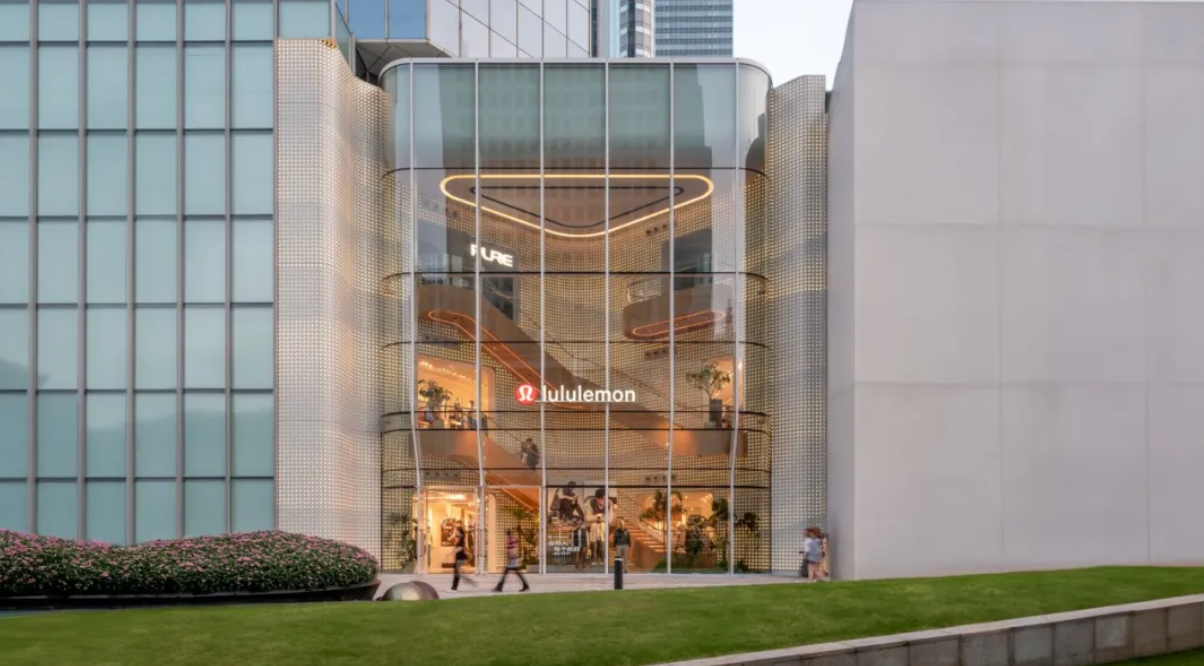
Taken together, the reported cases illustrate why entry, expansion and productivity require different questions. A new entrant needs to establish its role, while a larger incumbent must also maintain relevance across an existing network. The comparison is useful as context for strategic choices, rather than as proof that every shopper is moving in the same direction.
A Mature Category Changes the Question
The analysis describes a market in which activewear has expanded from exercise clothing into commuting, leisure and social situations. That creates more possible occasions for use, but it also broadens the competitive set. A specialist yoga brand may compete with performance sportswear, fashion labels and other lifestyle offers for the same customer’s attention and spending.
The opportunity is therefore not simply a larger category waiting to be shared equally. Existing shoppers can be selective. They may want a different look, a better fit for a particular activity or a new expression of personal style. A new entrant needs to identify which of those motivations it can address credibly.
We would start with the intended switching reason. What does the consumer gain by trying this brand rather than buying another familiar item? The answer should connect to a product and an experience that the company can deliver. A vague promise of a better lifestyle is difficult to evaluate and easy for competitors to repeat.
Brand Assets Suggest Different Entry Routes
The account contrasts relationship-led assets with attention-led assets. A brand built around classes, local instructors and repeated store interaction may need physical experiences to make its proposition convincing. A brand that already attracts attention through celebrities and social styling may be able to collect demand through ecommerce before a broad retail network exists.
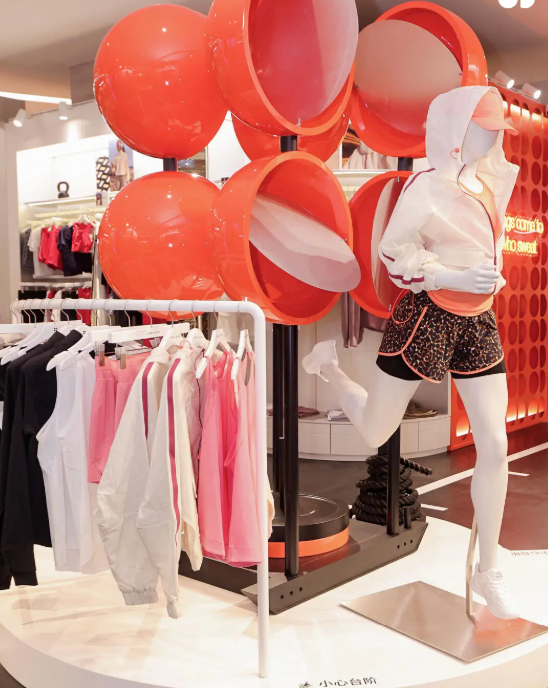
These are analytical distinctions rather than fixed categories. The same brand can hold several kinds of assets, and its needs can change over time. What matters is understanding which source of demand is strongest at the point of entry. A channel sequence should preserve and extend that strength rather than interrupt it.
For international brands, we would examine what people in China actually recognise. Do they know the product, the founder, a celebrity association or a community experience? That starting point informs the local brief. A launch can then introduce missing information while giving existing interest a useful next step, instead of telling every audience the same story from the beginning.
Local Partners Need More Than Distribution
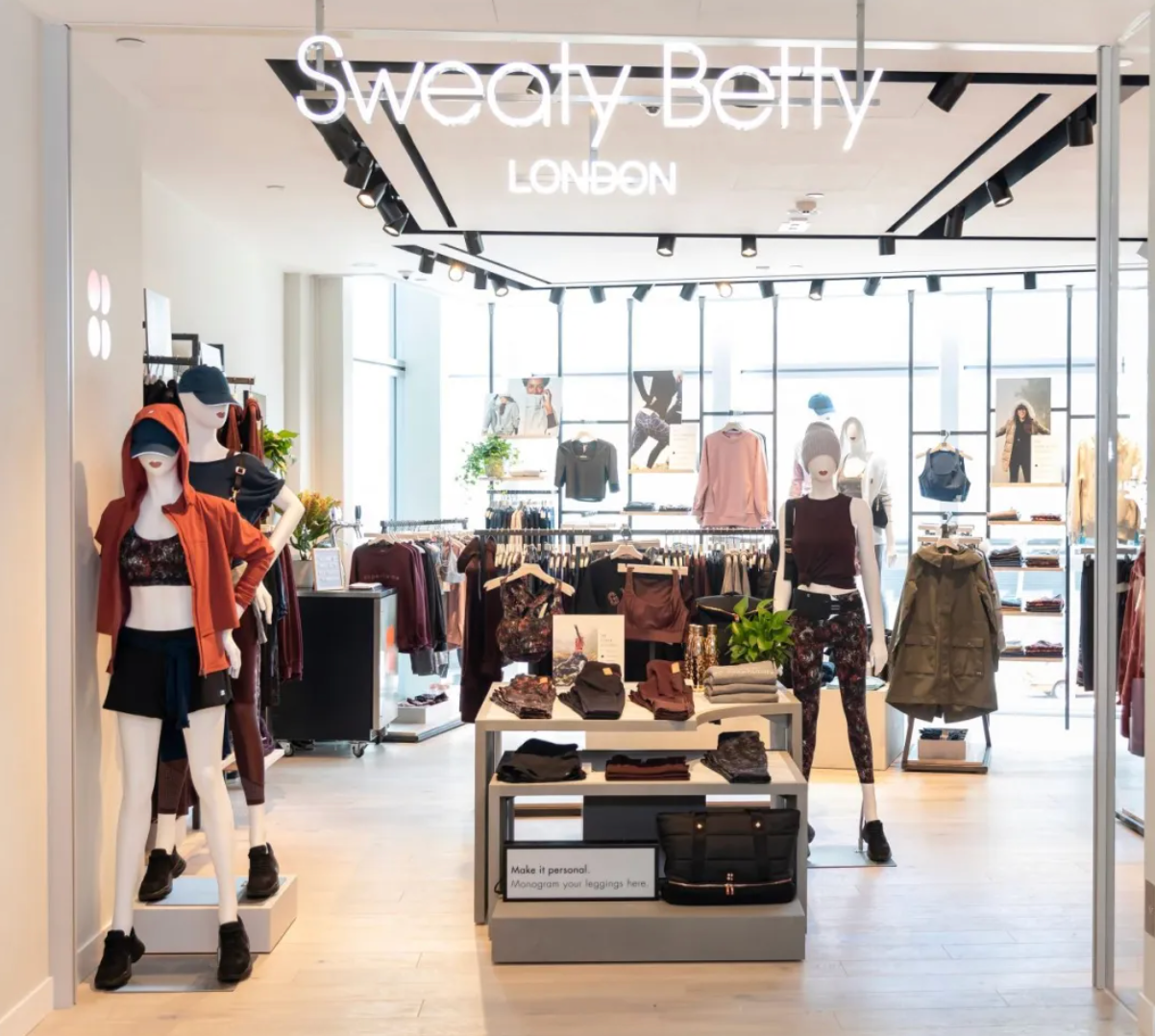
XEXYMIX and Sweaty Betty are discussed through their relationships with local retail or operating groups. A partner can contribute store networks, market knowledge and execution capacity. Those capabilities can be important for a brand that cannot or does not want to build every function independently at the start.
However, distribution is not the same as preserving the brand’s growth mechanism. If an activewear company developed through direct customer contact and content-led conversion, a local plan focused only on opening stores may leave part of its original capability behind. The partnership needs to explain who carries the content, service and relationship work as well as the merchandise.

We would assess the shared operating plan before judging the potential of the arrangement. How will the brand learn from local customers? Who makes product and campaign decisions? How are stores connected to online content and service? The point is not that one model is superior, but that the partnership should strengthen the assets that make the brand distinctive.
Core-City Stores Have a Strategic Role
The analysis describes competition for prominent retail locations in cities such as Shanghai and Beijing. A visible store can help communicate positioning, provide a place to try the product and place the brand within a recognisable shopping environment. For an unfamiliar entrant, that context can contribute to how consumers interpret the offer.
Yet a premium address also creates a demanding comparison. Nearby competitors may offer similar categories, familiar products and established service. The store has to justify attention through its assortment, staff and experience. Its location can introduce the brand, but it cannot supply the entire reason to choose it.
We would define what the site is expected to contribute beyond immediate sales. Is it primarily product trial, customer acquisition, community activity or brand visibility? Those roles may overlap, but they need a realistic connection to costs. A strategic store is still an operation with rent, staffing and inventory responsibilities. The wider marketing value should be evaluated rather than simply asserted.
Expansion Is Not the Same as Productivity
Store counts, revenue comparisons and future opening plans describe different aspects of a brand’s progress. Reading them together raises an important business question: what happens when new openings no longer guarantee strong growth? Expansion needs to be considered alongside the performance and customer role of the existing network.
A larger network can add sales while existing locations face pressure. Those two movements should be examined separately. A brand deciding whether to expand needs to understand the performance and customer role of the current network, not only the publicity generated by the next opening.
For international brands, we would connect expansion plans with customer evidence. Are people returning? Which products attract repeat consideration? Do local activities create continuing relationships? Are service and stock dependable? These questions help distinguish a brand becoming more deeply established from one becoming more geographically visible. Both can matter, but they are not interchangeable measures of progress.
A Lifestyle Must Fit Local Routines
The analysis discusses activewear as part of a broader lifestyle, with examples of food, recovery and retail experiences associated with Alo outside China. Such experiences can make a brand world more tangible, but they do not prove that the same format will work unchanged in every Chinese city.
The useful question is how the intended customer’s day is organised. Where do they exercise? How do they travel between home, work and leisure? Which spaces and activities are convenient enough to become regular habits? A lifestyle proposition becomes more credible when it fits those actual routines rather than asking consumers to perform a distant ideal.
We would use local research and small experiences to explore that fit. A class, walk or styling session should have a clear relationship with the product and audience. The format can vary by place while retaining the brand’s character. Local relevance does not require abandoning identity; it requires finding an accessible way for people to participate in it.
Premium Positioning Has a Reach Question
A clear premium image can attract a specific audience and support a distinctive proposition. It can also narrow the range of customers who see the brand as relevant or attainable. The account raises this tension as activewear brands look beyond an initial group of urban consumers.
The response should not automatically be a lower price. A brand needs to understand whether the barrier is transaction size, product relevance, local availability or lack of an appropriate use occasion. Different barriers call for different solutions. A broader assortment can help in some circumstances, while a clearer explanation or better access may matter more in others.
We would examine product roles within the range. Which item introduces the brand? Which demonstrates its strongest capability? Which encourages a later purchase? The range should tell a coherent story and remain manageable for the operation. Expansion becomes less persuasive when it simply adds products without clarifying how a wider audience can enter the brand on credible terms.
Content Should Show a Distinctive Way to Use It
Celebrity associations can create attention, but a daily wardrobe decision needs more information. A shopper may want to understand movement, fit, styling or how the garment behaves across different activities. Chinese social media content can connect the desired image with these practical details, giving people a more complete basis for evaluation.

For an international activewear brand, we would develop content around specific occasions rather than repeat a general wellness mood. A commuting outfit and a studio session may involve different needs. Showing those differences can make the offer more useful and reveal which audience has the strongest response.
The brand should also make room for ordinary participation. A lifestyle story that only appears attainable through exceptional bodies, locations or schedules may remain aspirational without becoming relevant. Realistic demonstrations and local voices can help bridge that distance. The goal is not to remove aspiration, but to give the consumer a believable role within the story.
Give the Customer a Reason to Return
The first purchase is a test of the promise. The next relationship depends on what the customer experiences: the fit, durability, service and usefulness of the item, alongside the meaning they attach to the brand. A strong launch can bring someone into that process, but it cannot replace it.
We would therefore review marketing and customer experience together. If social content attracts interest but shoppers hesitate, identify the unanswered question. If purchases occur but returns are high, examine the expectation created by the content. If customers enjoy an activity but do not understand the product, connect the experience more clearly to the offer.
For international brands, the next stage of China activewear competition is about a position that consumers can understand and inhabit over time. Chinese marketing should make that position visible through useful content, relevant local experiences and a coherent channel strategy. The enduring question remains simple: what makes this brand a worthwhile choice in someone’s real life?
Make Community Activity Commercially Coherent
An activewear event can serve several purposes, but the brand should know which one matters most. A session designed for existing customers may deepen relationships, while an introduction for new participants may focus on product understanding. Treating both as identical attendance targets can hide whether the activity performed its intended role.
The product connection should feel natural. Participants might benefit from trying an item in an appropriate context or asking a knowledgeable representative about fit and care. The event does not need to become a constant sales presentation. It does need a reason to belong to this brand rather than to any other company sponsoring a similar gathering.

Afterwards, useful follow-up can continue the experience. Answer questions that arose, provide the promised information and make the next relevant opportunity clear. A generic stream of promotional messages may weaken the connection created by a thoughtful activity. The relationship should develop from what participants actually found valuable.
We would review the event with both the content and retail teams. What attracted people? What did they ask? Which product assumptions were confirmed or challenged? Those observations can improve the next campaign and the store experience. Community becomes more than a visual expression of lifestyle when it helps the brand understand and serve the people it wants to retain.
Want to build a clearer position for your activewear brand in China? Contact us to explore a localised strategy.
