

WeCom AI Updates for China Teams
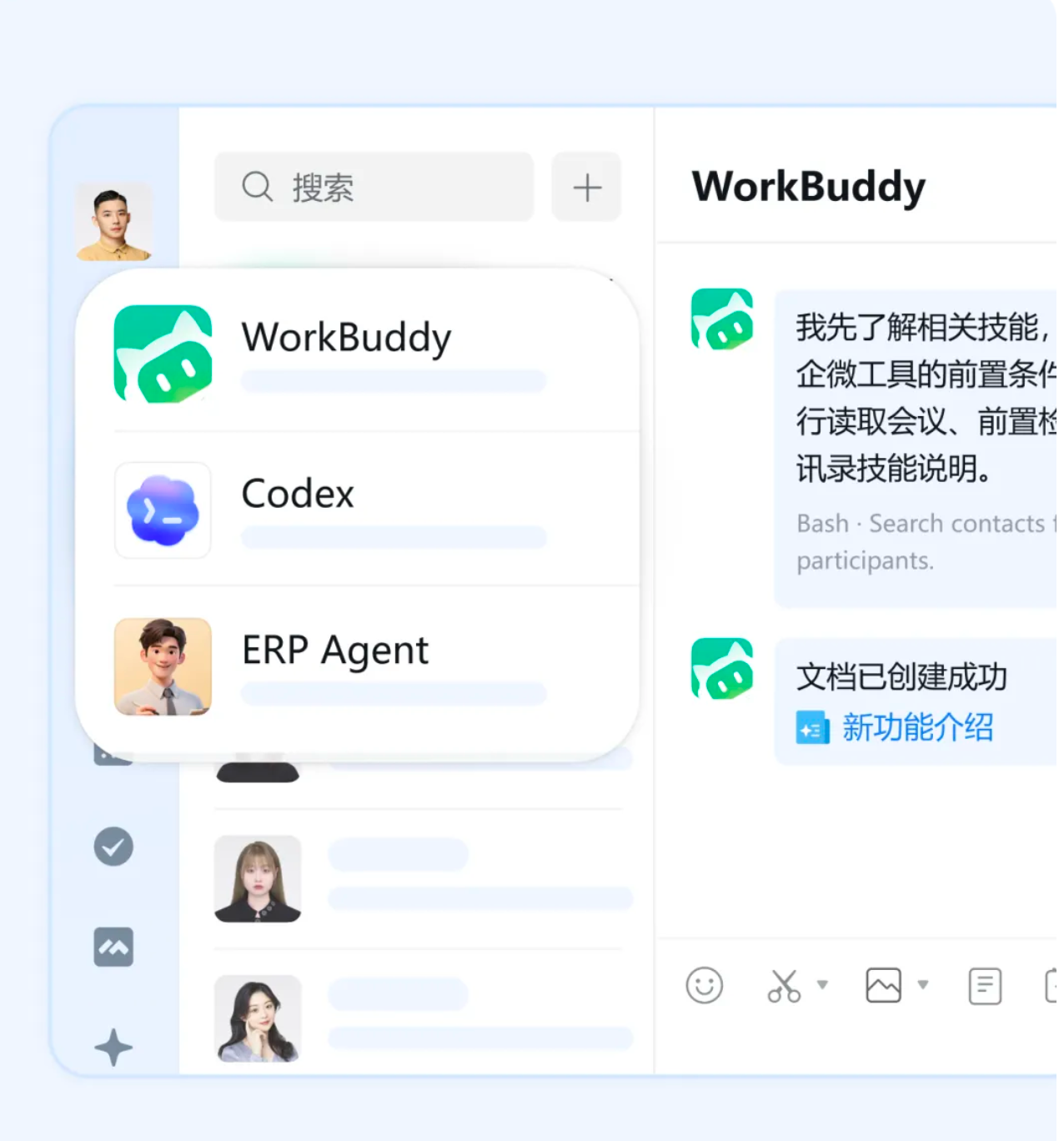
WeCom's 5.0.10 update adds another important layer to China's enterprise AI environment. The platform has opened CLI and MCP capabilities, allowing AI Agents such as WorkBuddy, Codex and company-built Agents to connect directly with WeCom. The update is not limited by company size, and ten workplace capabilities, including WeCom documents, sheets, email and meetings, can be called through WeCom's intelligent bot system.
For international brands operating in China, this matters because WeCom is already deeply embedded in customer communication, internal coordination, private-domain operations and sales follow-up. When AI Agents can work inside that environment, the practical value is very different from using a separate AI tool that requires users to upload files and explain context from scratch.
Context Is the Real Advantage
The most important change is contextual access. An AI Agent connected to WeCom can locate relevant background information based on the user's task. Instead of manually uploading customer emails, meeting notes, documents and data sheets, a team member can ask the Agent to work from materials already inside the WeCom environment.
This can change how China teams handle repetitive knowledge work. A sales or account team could ask an Agent to summarize customer communication and generate a proposal presentation based on WeCom emails, meeting notes and documents. A product team could ask an Agent to read a product requirement document and convert it into code or technical files. An operations team could ask an Agent to analyze a project data sheet, write conclusions back into the sheet and continue adjusting the analysis through conversation.
Smart Sheets Now Generate AI Analysis Reports
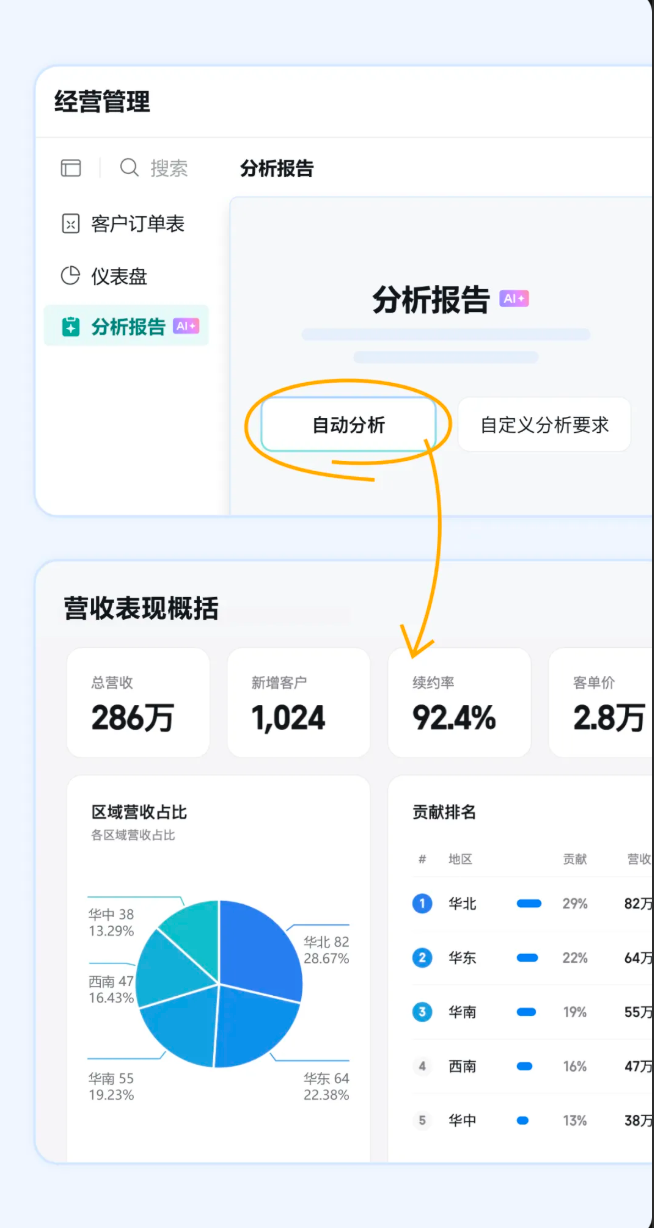
WeCom Smart Sheets also added an AI analysis report function. Many companies already use sheets to store business data, but the hard part is not storing the numbers. It is identifying risks, finding opportunities and presenting the conclusion clearly. Previously, this depended heavily on experienced analysts and extra time spent building charts or reports.
With the new AI analysis report function, users can put business data into Smart Sheets and ask the AI assistant Dayuan to analyze it. The system can identify core metrics, plan the analysis structure and generate a professional report. For example, in a store revenue analysis, Dayuan can select metrics such as total revenue, average order value, repurchase rate and gross margin. It can then compare regions, analyze daily trends and choose suitable chart types.
The report can also be adjusted through conversation. If a user wants to further break down revenue by region and turn it into a bar chart, they can select the relevant section and ask Dayuan to modify it. When the underlying sheet data changes, the charts update automatically, allowing the team to keep an up-to-date view of business performance.
What This Means for China Operations
For international brands, the WeCom update points to a broader trend: AI is moving from separate tools into the workflow where teams already work. This is especially useful in China, where WeCom often connects internal teams, agencies, sales staff, customer communities and private-domain users.
A brand running Chinese marketing may use WeCom to manage campaign communication, KOL coordination, lead follow-up, customer service and internal reporting. If AI Agents can access relevant messages, documents, meetings and sheets, they can reduce the manual work of summarizing, drafting, analyzing and coordinating. This is not only about saving time. It can also make local operations more consistent and easier to audit.
The Practical Opportunity for International Brands
International brands should not treat WeCom only as a messaging app. It is becoming a workplace and customer relationship infrastructure for China teams. The more brand information, service processes, campaign records and customer communication are organized inside WeCom, the more useful AI assistance can become.
The first step is not to automate everything. Brands should identify repeatable workflows: weekly reports, customer follow-up summaries, campaign performance analysis, proposal drafts, meeting notes, content calendars and service FAQs. These are areas where AI can support local teams without replacing strategic judgment.
The Takeaway
WeCom's AI upgrade shows where enterprise tools in China are heading. The next stage is not just smarter chat. It is AI that understands the work context, calls workplace tools and helps teams complete tasks inside the systems they already use.
For international brands managing Chinese marketing, sales or customer operations, this creates a chance to build more efficient local workflows. The brands that organize their China operations clearly today will be better prepared to benefit from AI tomorrow. Interested in exploring bespoke marketing tips and localized strategies for the Chinese market? Feel free to reach out to us!
Where International Brands Should Start
For international brands, the most realistic starting point is not a fully autonomous AI workflow. It is a small set of repeatable China team tasks. Weekly campaign reports, customer conversation summaries, meeting follow-ups, sales proposal drafts, data summaries and content planning are good candidates because they are frequent, structured and time-consuming.
The quality of AI output will depend heavily on information hygiene. If WeCom documents, sheets, emails and customer notes are scattered or unclear, the Agent will have less reliable context. Brands should standardize naming, project folders, customer notes and reporting templates before expecting AI to work well across the organization.
This is also a management opportunity. International headquarters often struggle to understand what local China teams are doing in real time. Better WeCom workflows, supported by AI summaries and reports, can make China operations more transparent without adding another layer of manual reporting. The result is not only productivity, but better coordination between global strategy and local execution.
Interested in tailored marketing insights and localized strategies for the Chinese market? Reach out to us today!
