

How to win China’s 2026 Market
For international brand managers, the digital Great Wall has always been a formidable barrier. However, by 2026, the challenge is no longer just about platform access—it’s about a fundamental shift in human behavior. In the mature ecosystem of Chinese marketing, the way people consume is no longer a linear path; it is a series of "serendipitous encounters."
In the past, marketing was about being the answer to a question: "Where can I find a high-quality baby formula?" Today, the consumer isn't asking the question. They are scrolling through a feed, looking for entertainment, and they happen to find a brand that mirrors their aesthetic, their values, or their current mood. If your brand isn't there to be "found" in that split second of attention, you simply do not exist in the mind of the Chinese consumer.
The Death of Intentional Search
We have entered the era of Interest-Based E-commerce. The traditional decision-making chain—need, search, comparison, purchase—is being dismantled. In its place is a more impulsive, emotional model: Scroll, Vibe, Purchase.
While functional needs still exist, the primary driver for growth in China is now "interest-driven consumption." Consumers are no longer searching for brands; they are waiting for brands to appear. In this environment, "search" is often the end of a journey (to find the specific link), while "scrolling" is the beginning.
This requires a total retooling of brand presence on Chinese social media. To be seen, brands must master two specific skills: the ability to generate "social currency" (topics that people actually want to talk about and replicate) and the ability to resonate with public emotions. Whether it's the desire for "chill vibes" (Songchi Gan) or a nostalgic longing for simpler times, the brand that wins is the one that makes the user feel "this brand gets me" in less than 0.5 seconds.
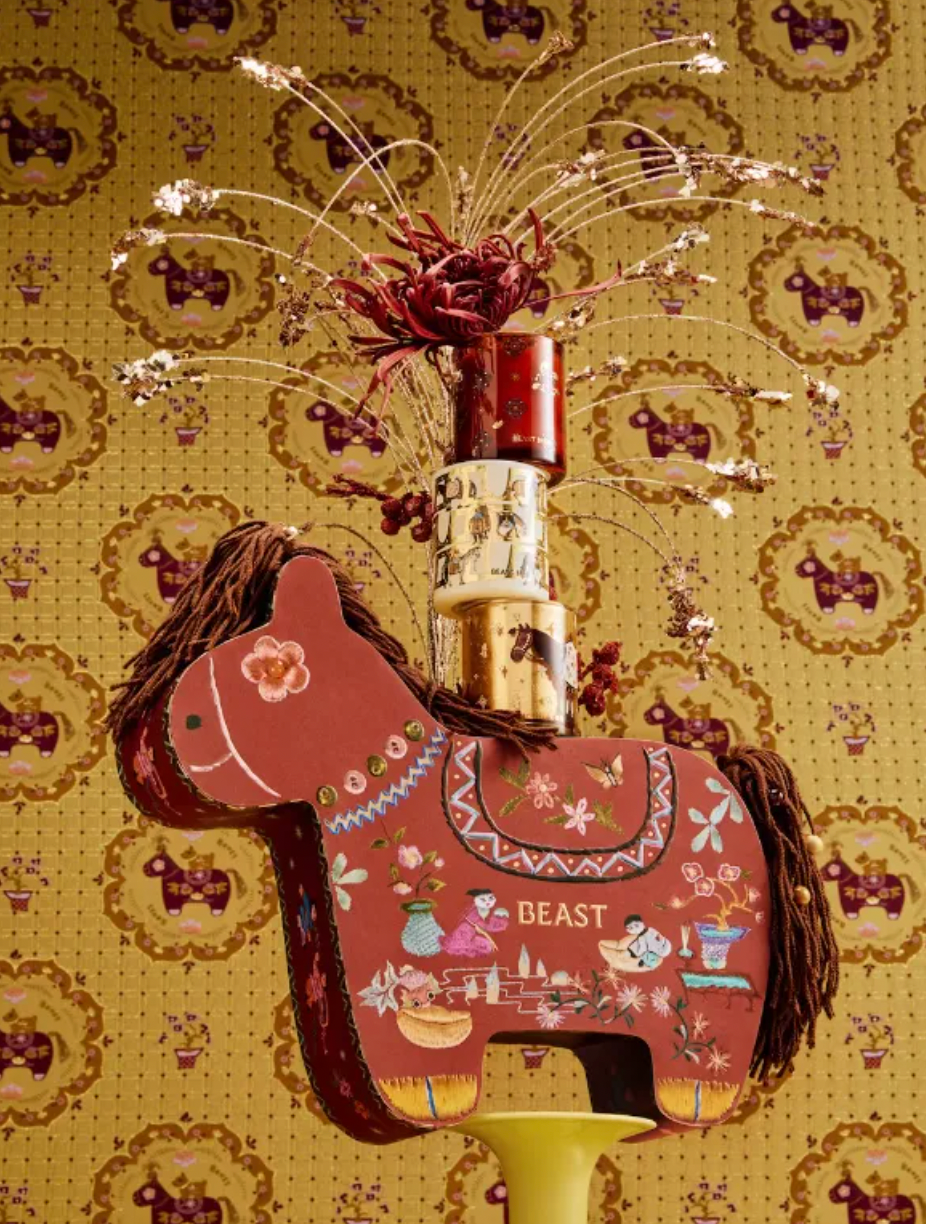
From Product-First to Content-First
The consensus for 2026 is clear: "The content touchpoint is the new storefront." Many brands mistake "content-led marketing" for simply producing videos. In reality, it means the brand must become a stable, recognizable "source of value."
The power of traffic distribution on platforms like Rednote and Douyin (TikTok China) has shifted. Algorithms no longer respond to "what is the best product?" but to "what will the user enjoy?" This is why brands like Beast (fragrance) or Mixue Bingcheng (tea) have thrived. They don't just sell products; they sell emotional rituals and "peasant-class happiness." They turned their value propositions into shareable, collective emotions. If your product isn't a carrier of culture or attitude, it will be filtered out by the algorithm.
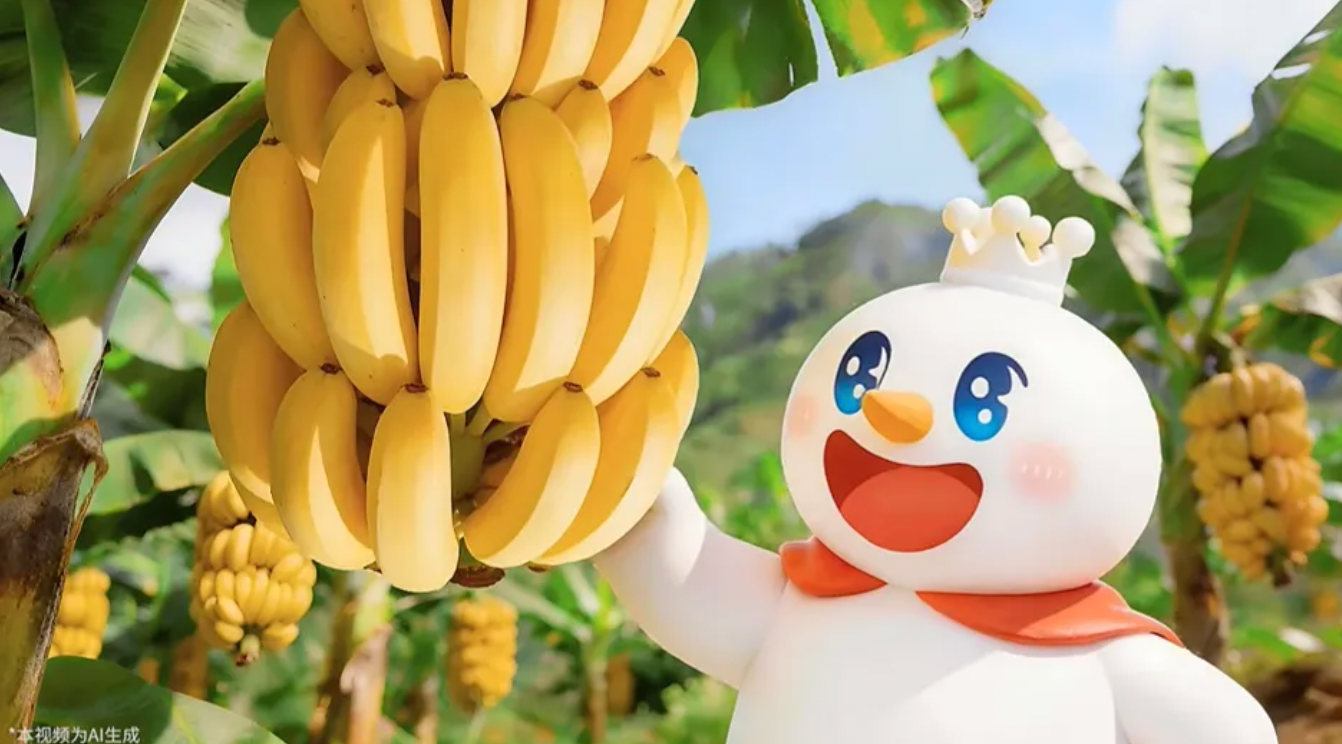
The Rise of the "Humanized" Brand
As physical abundance increases and digital loneliness grows, Chinese consumers are moving their focus from material specs to emotional value. They are looking for "recognition."
1. The "Listening" Brand (Tingquan)
One of the most successful strategies in China recently is "Tingquan" (literally "listening to advice"). Brands that actively solicit and implement user feedback on social media are seeing massive ROI. When a user sees their suggestion turned into a product or a campaign, they transition from a customer to a brand advocate. It turns the cold transaction into a collaborative relationship.
2. Independent but Accessible Personalities
Gen Z and Gen Alpha in China care about aesthetics and viewpoints over technical parameters. They want to be "friends" with a brand.
Xiaomi has succeeded by anchoring itself in a "tech for everyone" engineer culture, feeling like a grounded, tech-savvy buddy.
Perfect Diary acts like a "trendy BFF," using a matrix of KOCs (Key Opinion Consumers) to make beauty feel limitless and approachable.
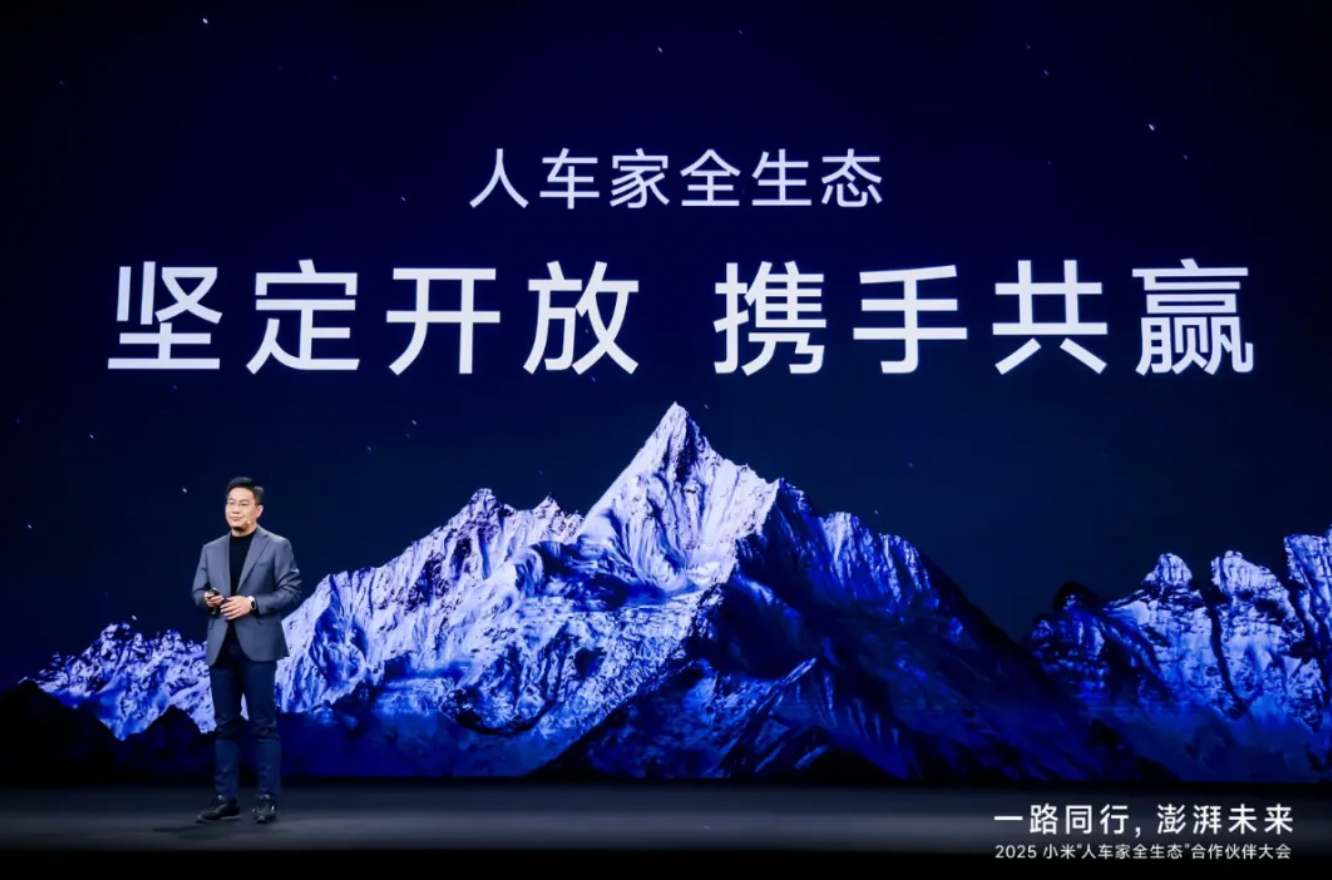
These brands are remembered not because they spend the most on ads, but because they have a stable, vivid personality. They aren't just a logo; they are a "living person" in the user's feed.
Conclusion: Silence is Disappearance
As we look toward the future of Chinese marketing, the competition is no longer about who has the best supply chain or the lowest price. It is a battle for attention and personality.
The survival rule for Chinese social media in 2026 is simple: If you don't speak, you don't exist. If you speak vaguely, you are ignored. Only by speaking clearly, emotionally, and consistently can you turn a fleeting "scroll" into lifelong loyalty. The goal of brand content is not to become a traffic machine, but to become someone the user wants to follow for the long haul. In the crowded, noisy marketplace of China, being "discovered" is the first step, but being "liked" is the only way to stay.
