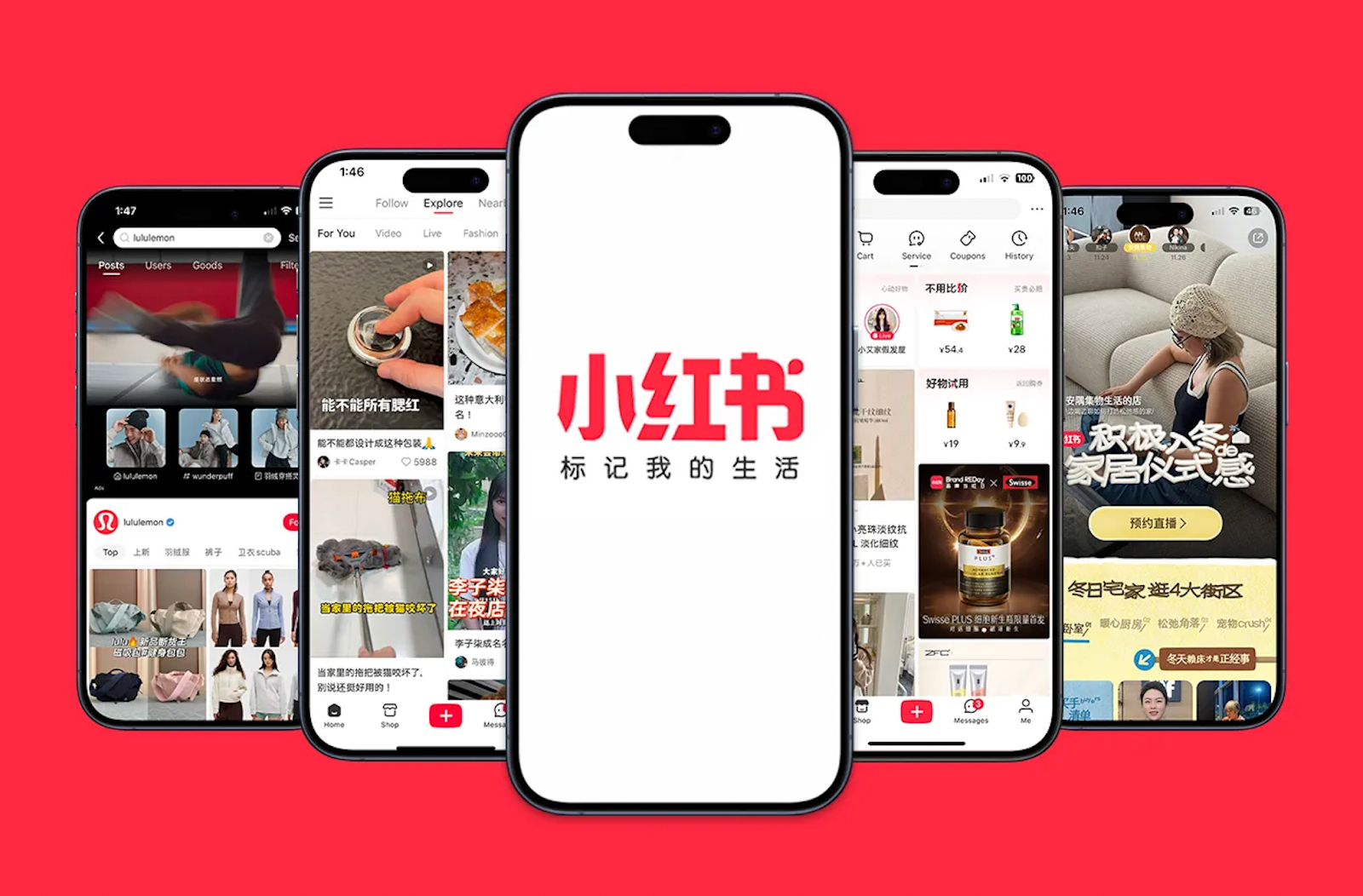
How Rednote Drives Consumption in China

If you were to ask a Gen Z consumer in Shanghai where they go to chat with friends, they would say WeChat. But if you asked them where they go to decide which face cream to buy, where to travel for the weekend, or which new oat milk tastes the best, the answer is almost unanimously Rednote.

For international brands, Rednote represents a unique paradox. It is a social platform, yet it functions like a search engine. It is filled with polished lifestyle imagery, yet users demand raw authenticity. To succeed here, you must master the art of "Zhongcao"—a term that literally translates to "planting grass." In the lexicon of Chinese marketing, this means planting the seed of desire in a consumer's mind, nurturing it with content, until they finally "pull the grass" (make the purchase).

This article will guide you through the intricate ecosystem of Rednote, exploring how it has evolved from a simple user guide into the most powerful commercial launchpad in the East.

The New Power Players: Understanding the Rednote Demographic

To win on this platform, you must first understand who you are speaking to. The user base of Rednote is distinctly defined: they are predominantly young, female, and concentrated in China’s Tier 1 and Tier 2 cities. But these are not just passive scrollers; they are active seekers of a better life.

These users possess significant disposable income and are the primary decision-makers for household spending, particularly in categories like fashion, beauty, mother-and-baby care, and health supplements. However, their psychology differs from the Western consumer. They are hyper-aware of marketing tactics. They have grown up in an environment saturated with advertisements, which has made them skeptical of corporate messaging.

This skepticism is why they flock to Rednote. They view the platform as a community of peers. When they open the app, they are looking for validation from people who look and live like them. They want to know the "real" experience of a product—not just the glossy promise on the billboard, but the texture of the cream, the fit of the dress on a non-model body, and the actual wear-and-tear of a handbag. For a brand, this means your target audience is not looking to be sold to; they are looking to be inspired and informed.

The "Search and Scroll" Behavior: How Decisions Are Made

The user journey on Rednote is a fascinating blend of discovery and intent. Unlike TikTok (Douyin), where content is fed passively to a user, a significant portion of Rednote’s traffic comes from search. It has effectively replaced traditional search engines like Baidu for lifestyle queries.

A typical user journey looks like this: A user realizes she needs a new anti-aging serum. She opens Rednote and searches for "anti-aging serum for sensitive skin." She reads the top ten "Notes" (posts), looking for detailed reviews, before-and-after photos, and ingredient analyses. She checks the comments section—often the most vibrant part of the app—to see if other users agree with the original poster. She saves (bookmarks) the posts she likes. Days later, when she is ready to buy, she returns to her "Saved" folder to make the final decision.

This behavior highlights a critical insight for Chinese marketing strategies: engagement metrics like "Saves" and "Shares" are often more valuable than simple "Likes." A "Like" is a nod of approval, but a "Save" is a statement of purchase intent. It means your content was useful enough to be referenced later. Brands must create content that serves a utility, answering specific questions rather than just displaying a logo.

Content Preferences: The Aesthetics of Authenticity

The visual language of Rednote is high-bar. The aesthetic is often compared to Instagram—clean, aspirational, and well-lit. However, unlike the "perfect life" often portrayed in the West, Rednote users demand a layer of "grounded reality."

The most successful content formats blend visual appeal with practical utility. For example, in the fashion sector, a simple photo of a model wearing a coat is less effective than a "plog" (photo vlog) showing how to style that coat for three different occasions—office, date night, and weekend brunch. In the beauty sector, hyper-edited photos are losing ground to high-resolution close-ups that show real skin texture.

This brings us to the rise of video. While static images remain the backbone of the platform, short videos are exploding in popularity. These aren't the frantic, dancing videos of TikTok; they are slower, more narrative-driven vlogs or detailed tutorials. They offer an immersive experience that static images cannot, allowing brands to showcase product efficacy in real-time.

The Rise of KOCs: Why "Amateurs" Are the New Experts

In the traditional marketing hierarchy, the celebrity or the mega-influencer (KOL) sits at the top. While KOLs are still essential for broad awareness on Rednote, the real power has shifted to the "Key Opinion Consumer" (KOC).

KOCs are everyday users with smaller followings—perhaps only a few thousand fans. However, their influence is disproportionately high. Why? Because they are viewed as unbiased. When a KOC recommends a diaper brand, it feels like a recommendation from a neighbor or a savvy friend.

For brands entering China, a strategy that relies solely on expensive KOLs is often inefficient. A more sophisticated approach involves a "pyramid" strategy: using top-tier KOLs to create a buzz, but simultaneously seeding the product to hundreds of KOCs to create a "groundswell" of authentic reviews. When a user searches for your brand and sees hundreds of genuine posts from normal people, it creates a "herd effect" that validates the brand's credibility.

The Business Model: A Symbiosis of Content and Commerce

Rednote has successfully built a closed-loop ecosystem where content and commerce coexist. The platform generates revenue through a mix of official advertising (in-feed ads), commission from e-commerce sales, and data services.

For brands, the "Brand Account" is the central hub. Unlike other platforms where corporate accounts feel sterile, a brand account on Rednote acts as a persona. It interacts with users in the comments, hosts giveaways, and reposts user-generated content. This builds a "fan base" rather than a customer list.

Furthermore, the integration of livestreaming has added a direct sales channel. Unlike the high-pressure sales tactics seen on other platforms, livestreaming on Rednote tends to be quieter and more sophisticated. The hosts often spend ten minutes explaining the fabric of a single garment, catering to the platform’s educated and detail-oriented audience.

Team Lotus

We empower overseas companies in the Chinese market with social content

https://www.lotussocialagency.com/
Next
Next

Why WeChat is the Soul of Chinese Marketing?